Active Reflection on Grounds for Detention and Sentencing
Legislative Proposal for Punishment of 'Additional Drinking After Drunk Driving Accident'
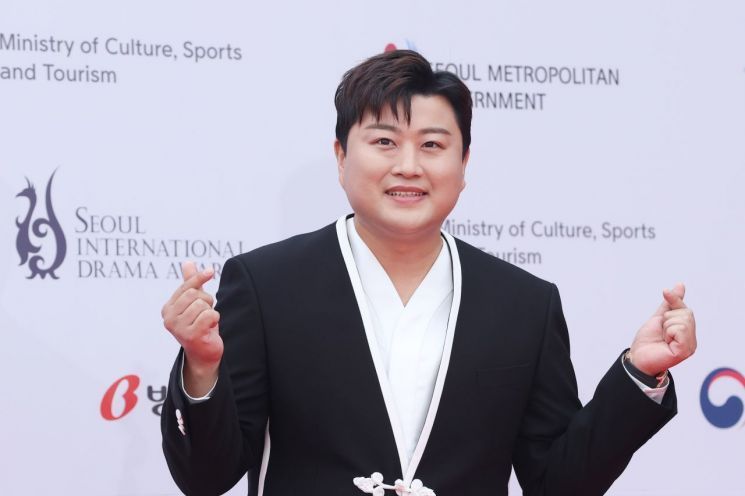
As the drunk driving hit-and-run incident involving trot singer Kim Ho-jung (33) has become controversial, Prosecutor General Lee Won-seok instructed all district prosecutors' offices nationwide on the 20th to respond strictly to judicial obstruction during the investigation and trial process.
The Supreme Prosecutors' Office stated on the same day, "Recently, suspects, defendants, and related parties have been attempting to undermine the criminal justice system through acts such as ▲driver substitution in drunk driving and traffic accidents ▲intentional additional drinking after a drunk driving accident ▲active, organized, and planned false testimony beyond legally permissible refusal to testify ▲coaching and urging false testimony to conceal the truth ▲evidence fabrication, destruction, and disposal ▲perjury and evidence forgery ▲malicious false claims beyond reasonable criticism against the police, prosecution, and courts during investigations and trials, causing growing public concern and increasing distrust in the judiciary."
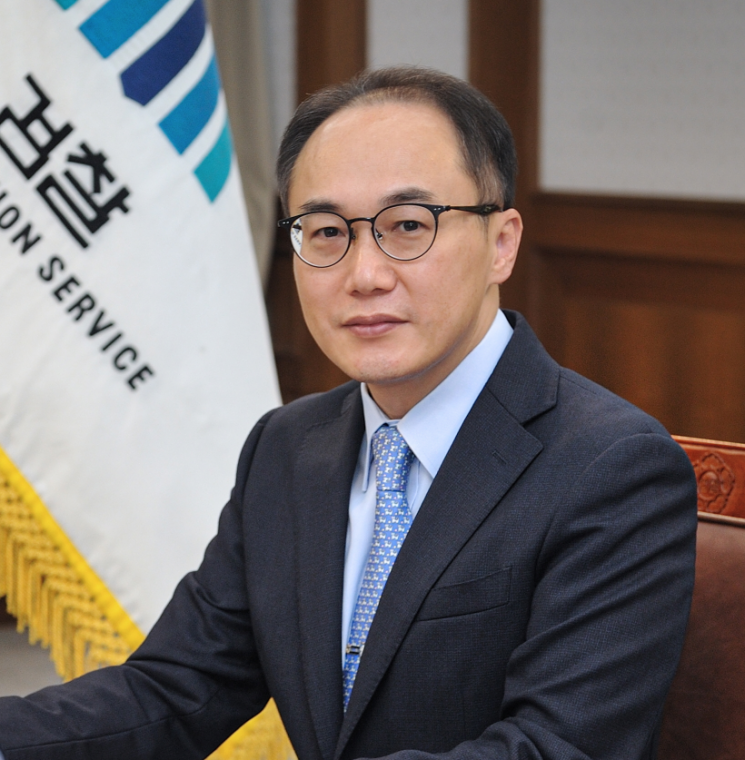
According to the Supreme Prosecutors' Office, Prosecutor General Lee instructed, "From the investigation stage, cooperate with the police to actively apply relevant punishment provisions such as harboring and aiding criminals, evidence destruction and forgery and their inducement, document forgery and inducement, perjury and inducement, and obstruction of official duties by deception against intentional, planned, and organized judicial obstruction, and actively reflect these in the determination of detention grounds under Article 70 of the Criminal Procedure Act concerning 'risk of evidence destruction or flight.'"
He also instructed, "At the trial stage, apply these as aggravating factors in sentencing, reflect them in the prosecution's demands, actively present the prosecution's opinions, and respond actively through appeals if the judgment falls short."
Meanwhile, the Supreme Prosecutors' Office announced, "We have proposed legislation to the Ministry of Justice today to establish criminal punishment provisions for 'intentional additional drinking after a drunk driving traffic accident,' which has been difficult to prove and punish under existing laws and precedents," adding, "We will continue to collect and review investigation cases from district offices to prepare institutional improvements that can actively respond to judicial obstruction."
The Supreme Prosecutors' Office explained, "Despite drunk driving and resulting traffic accidents being serious social problems known as 'murder on the road,' when drunk drivers intentionally consume additional alcohol after an accident to avoid punishment, there is a 'punishment gap' where acquittals occur due to lack of evidence proving blood alcohol concentration at the time of driving, even if alcohol measurement is taken later."
Accordingly, the Supreme Prosecutors' Office announced that it has prepared a bill to establish criminal punishment provisions for 'intentional additional drinking after a drunk driving traffic accident' and proposed it to the Ministry of Justice.
The content of the legislative proposal by the Supreme Prosecutors' Office states that "if a person reasonably suspected of causing a traffic accident due to drunk driving intentionally consumes additional alcohol to avoid detection of drunk driving," they shall be punished with imprisonment of one to five years or a fine of 5 million to 20 million won, the same penalty as refusal to undergo alcohol testing.
Japan has already introduced a similar criminal punishment provision called 'Negligent Driving Causing Death or Injury with Alcohol Influence Evasion' since 2013, and Canada also introduced criminal punishment for additional drinking based on 'blood alcohol concentration within two hours after stopping driving,' the Supreme Prosecutors' Office reported.
However, even if the provision punishing 'additional drinking after a drunk driving traffic accident' is newly established as proposed by the Supreme Prosecutors' Office, it cannot be applied retroactively to Mr. Kim due to the principle of non-retroactivity of unfavorable criminal laws.
© The Asia Business Daily(www.asiae.co.kr). All rights reserved.


















