The Biden administration in the United States is considering measures such as tariff increases to respond to the tsunami of low-priced Chinese products. This is because they pose a threat to domestic manufacturing.
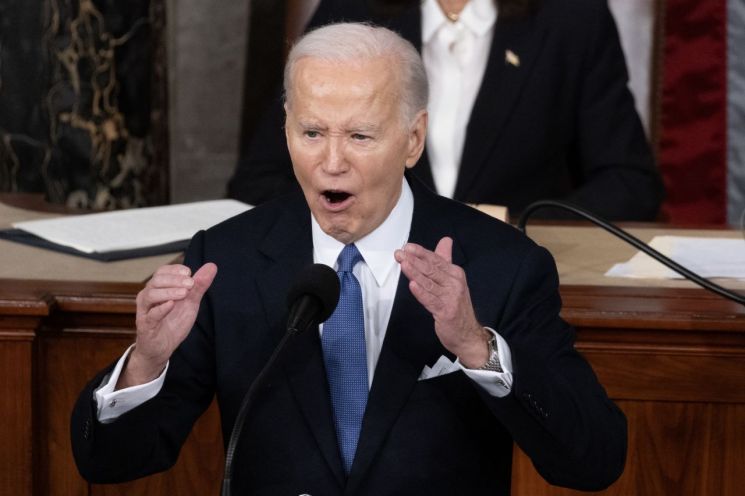
On the 8th (local time), The New York Times (NYT) reported, "President Biden's aides are concerned about signs of a low-priced export offensive from China's overproduction already appearing in Europe."
China is driving growth by producing products such as automobiles, solar panels, lithium batteries, and steel far beyond domestic demand and exporting them to the global market. Chinese companies have significant price competitiveness thanks to powerful government subsidies, including loans from state-owned banks.
Officials in the Biden administration see cheap Chinese products as a threat to domestic companies that President Biden has been trying to nurture through government subsidies and tax benefits under the Inflation Reduction Act (IRA).
For example, just as plans to foster the domestic solar industry during the previous Obama administration were hindered by low-priced Chinese solar panels, this time large-scale inflows of Chinese solar panels into the U.S. are causing some manufacturers to postpone their investment plans in the U.S. However, in the case of electric vehicles, tariffs already imposed during the previous Trump administration and other trade barriers have so far prevented Chinese products from rapidly penetrating the U.S. market.
The NYT reported, "Biden administration officials are closely monitoring production and pricing information of Chinese products and are trying to block or reduce imports of products receiving subsidies from the Chinese government."
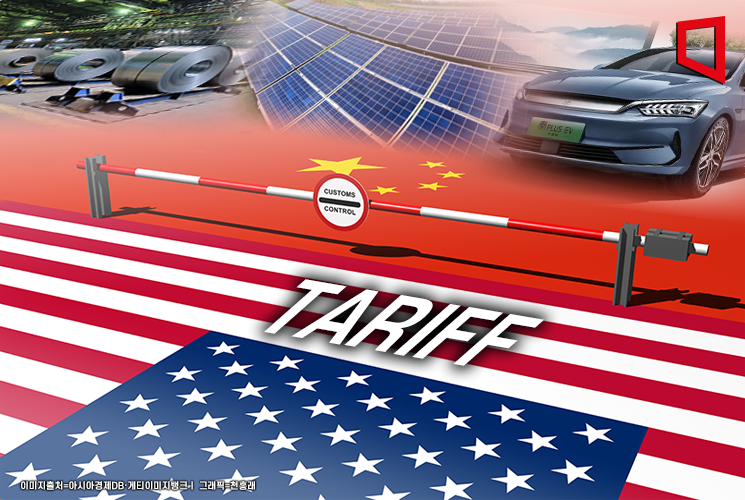
The Biden administration is conducting a regular review of tariffs imposed on Chinese products by the Trump administration and is considering tariff increases in some strategically important industries. On the 17th of last month, President Biden proposed raising tariffs on Chinese steel and aluminum during a meeting with the United Steelworkers in Pittsburgh. In February, he ordered an investigation into Chinese connected vehicle technology.
Current and former officials of the Biden administration say that global cooperation with European and other advanced country allies is necessary to neutralize China's export strategy. Brian Deese, who served as the chair of the National Economic Council (NEC) under the Biden administration, stated, "Developing countries such as Brazil and India, which have recently begun to resist China's trade practices, should also be included in the response."
According to official trade statistics, imports of Chinese steel are decreasing, and the trade deficit with China has reached its lowest level since the spread of COVID-19, indicating that the U.S. has not yet suffered significant damage, the NYT pointed out.
The Chinese government disagrees with the Biden administration's claims. At a briefing last week, Chinese Foreign Ministry spokesperson Lin Zhen said, "The real intention is to suppress China's advancement in cutting-edge technology and to deprive China of its legitimate right to development."
© The Asia Business Daily(www.asiae.co.kr). All rights reserved.


















