Reflection of Health Insurance Medical Fee Increase
Consumer Prices of Digestive Aids and Cold Medicine at 2 to 4 Times Level
Amid rising hospital and medicine costs, the price increase of some over-the-counter drugs such as digestive aids and cold medicine has been found to be 2 to 4 times higher than the overall consumer price inflation.
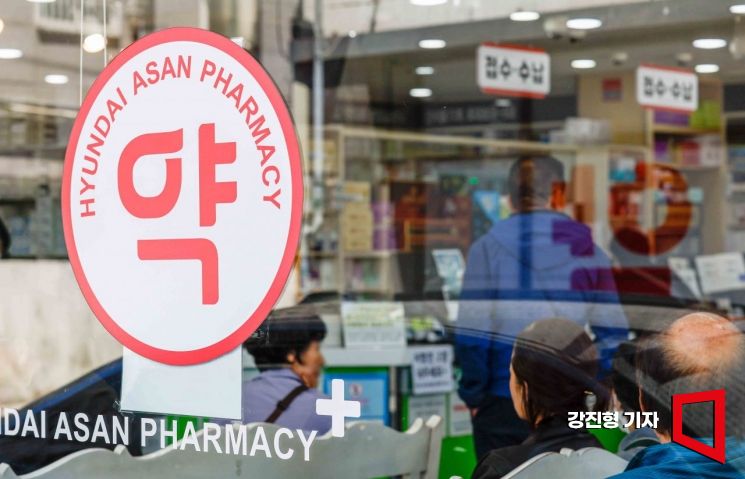 As the health insurance medical fee increase decided last year is reflected this year, hospital and medicine costs have risen. On the 8th, a customer waiting to receive medicine visited a pharmacy-dense area near Seoul Asan Medical Center in Songpa-gu, Seoul. Photo by Jinhyung Kang aymsdream@
According to the National Statistical Portal of Statistics Korea on the 8th, the inpatient medical treatment price index in the first quarter of this year rose by 1.9% compared to a year earlier. This is the largest increase in six and a half years since the third quarter of 2017 (1.9%). The inpatient treatment price growth rate recorded 1.8% during the COVID-19 pandemic in the third to fourth quarters of 2020, then maintained 1.5% for two years, but the increase expanded this year following last year's 1.7%. Outpatient treatment costs, which rose 1.8% last year, also increased by 2.0% in the first quarter of this year, showing a renewed upward trend.
Oriental medicine and dental treatment costs are rising at an even faster pace. Dental treatment costs increased by 3.2% in the first quarter, marking the largest increase since the third quarter of 2009 (3.4%). Oriental medicine treatment costs also rose by 3.6%, the largest increase in over 11 years since the fourth quarter of 2012 (3.7%).
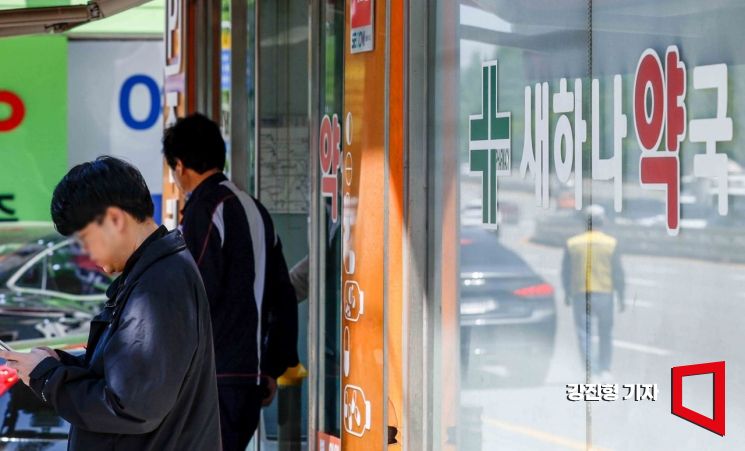 As the health insurance medical fee increase decided last year is reflected this year, hospital and medicine costs have risen. On the 8th, a customer waiting to receive medicine visited a pharmacy-dense area near Seoul Asan Medical Center in Songpa-gu, Seoul. Photo by Jinhyung Kang aymsdream@
The simultaneous rise in medical treatment costs is due to the health insurance medical fee increase decided last year. According to the National Health Insurance Service, the average rate of increase in fees paid to medical institutions by the Health Insurance Service this year is 1.98%.
The out-of-pocket expenses for medicines also rose in line with the fee increase, causing related price indices to show an upward trend. Digestive aids rose 11.4% in the first quarter of this year, and cold medicine increased by 7.1%. Skin disease medicine (6.8%), vitamin supplements (6.9%), painkillers (5.8%), and Oriental medicine (7.5%) also exceeded the overall inflation rate (3.0%) during the same period.
The overall pharmaceutical price index rose 2.0% in the first quarter. Following a 2.1% increase last year, the largest rise in 12 years since 2011 (2.4%), the price index has maintained a 2% increase rate for four consecutive quarters.
© The Asia Business Daily(www.asiae.co.kr). All rights reserved.


















