US Department of Commerce Seeks Comments on Connected Vehicle Investigation Targeting China
"Comprehensive Scope of ICT and Services... Restrictions Needed"
As the U.S. government moves toward regulating the use of Chinese technology or products in connected vehicles (CV), Hyundai Motor Group has requested that the scope of such regulations be minimized. This is because vehicle production and sales in the largest market, the U.S., could be adversely affected by the U.S. government's policy. Amid ongoing competition between the U.S. and China for leadership in future mobility, Hyundai Motor, along with the Korean government and global automakers, is closely monitoring the situation.
According to a statement submitted by Hyundai Motor Group to the U.S. Department of Commerce’s Bureau of Industry and Security on the 7th, the company requested a clear definition of the information and communication technology and services (ICTS) used in connected vehicles. The company argued, "The definition of connected vehicles proposed by the Bureau of Industry and Security is so broad that it could encompass all types of vehicles and parts," adding, "Some components of connected vehicles, such as wires, LEDs, brackets, and bolts, have nothing to do with the purpose of the new regulations."
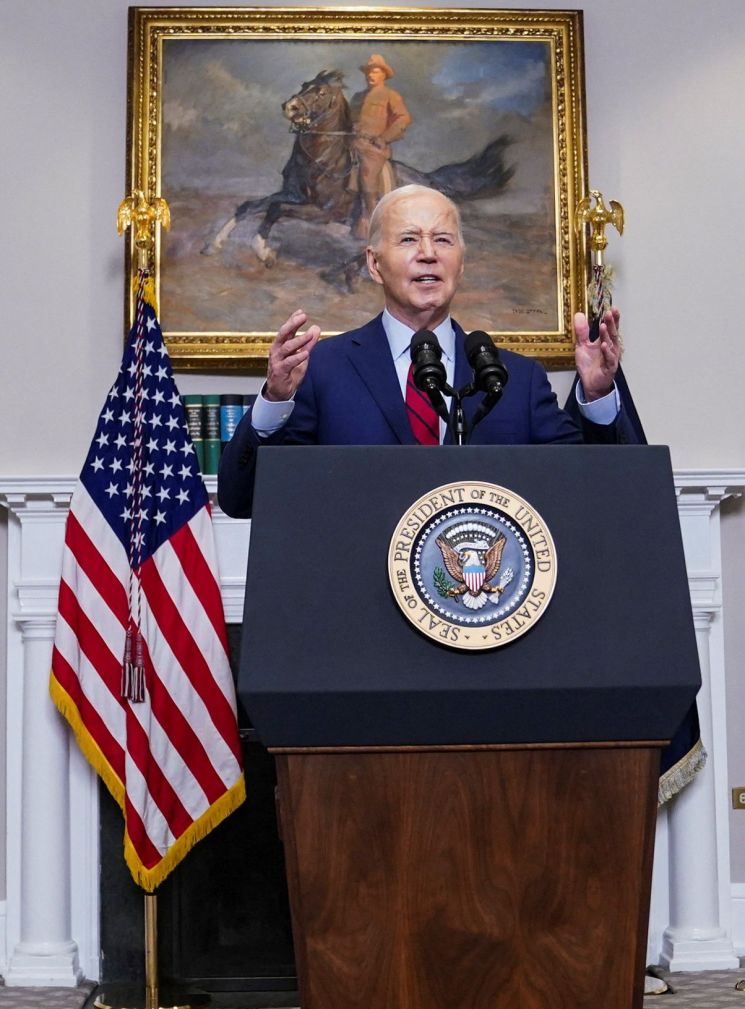
Earlier, U.S. President Joe Biden ordered an investigation by the Department of Commerce in February, citing concerns about hacking and data leaks if connected vehicles use technology from China or other countries of concern. In response, the Department of Commerce is considering regulations that would prohibit companies owned, controlled, or directed by countries of concern from developing or manufacturing ICTS for sale in the U.S.
The countries of concern include China, Russia, North Korea, Iran, Cuba, and Venezuela, with China being the only one among them that exports automobiles to the U.S. Depending on the level of the U.S. government's measures, global automakers using Chinese parts are expected to be affected. Connected vehicles encompass not only autonomous driving and advanced driver assistance technologies but also now-common features such as vehicle control via applications and navigation.
Since the U.S. government is reviewing new regulations for security reasons, Hyundai suggested that the scope of ICTS application should be limited. They gave examples, stating that it would be appropriate to regulate only hardware such as modems or gateways that allow external parties to access connected devices, hardware that can be accessed and manipulated remotely, and the software that operates these.
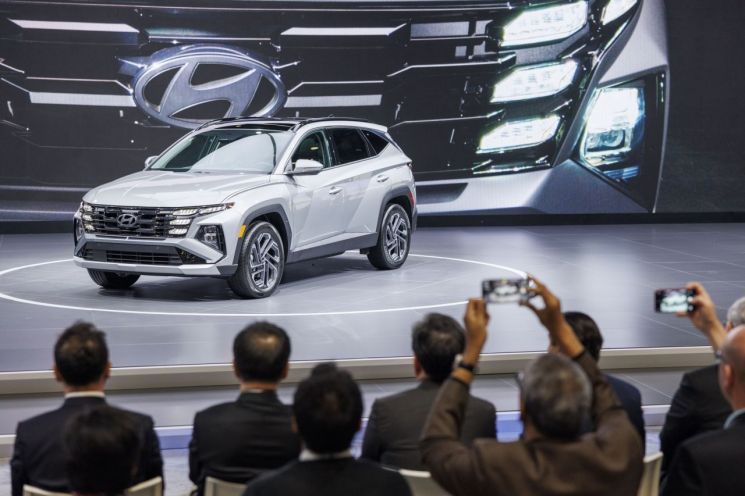
Hyundai also mentioned the possibility that excessive restrictions on Chinese parts could lead to increased vehicle prices due to adjustments in the parts supply chain. Hyundai stated, "Supply chains cannot be adjusted in the short term," and added, "Unintended risks such as vehicle safety issues may arise, and manufacturing costs for connected vehicles sold in the U.S. could increase, potentially negatively impacting consumers."
They also clarified that information collected through connected vehicles cannot be transmitted overseas. Hyundai emphasized, "Foreign adversaries defined under the executive order cannot access data collected from vehicles operating in the U.S." They further explained, "Sensors installed in vehicles collect data and send it to the controller, which connects to the network through the vehicle’s gateway. Even if a backdoor is installed in the sensor, wireless connection independent of the vehicle’s operating system (OS) is impossible without a modem in the sensor itself."
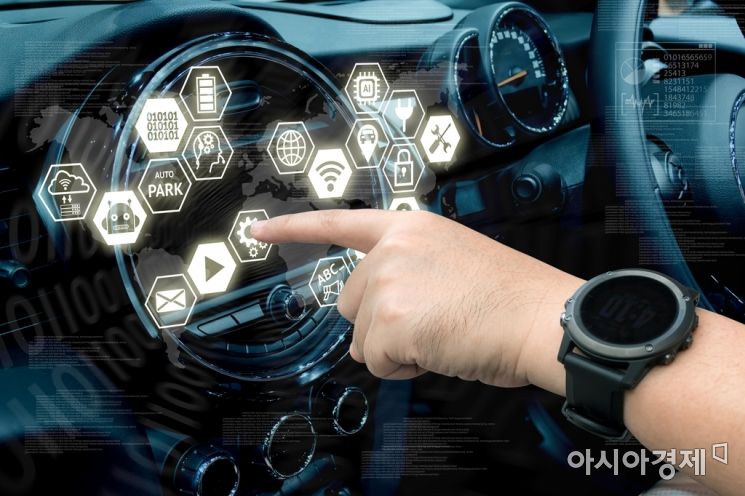
Hyundai stressed that if the controller is not pre-programmed, it is fundamentally impossible to send collected information elsewhere, eliminating the possibility of data leaks and external hacking concerns. Hyundai stated, "While we agree with the legislative intent, we proposed our opinion because an excessively broad interpretation of the definition of connected vehicles could reduce consumer utility and impair driving safety."
The Korean government also submitted similar opinions. The government noted, "The Korean automotive industry has expressed concerns that the broad scope of the connected vehicle supply chain investigation, the potential range of regulatory targets, and the timing of implementation could all place a significant burden on the industry." While understanding the purpose of the investigation to address security risks, they urged that certain considerations be taken into account. The Alliance for Automotive Innovation, representing U.S. automakers, recommended that the investigation focus on ICTS systems rather than individual parts.
© The Asia Business Daily(www.asiae.co.kr). All rights reserved.

![Clutching a Stolen Dior Bag, Saying "I Hate Being Poor but Real"... The Grotesque Con of a "Human Knockoff" [Slate]](https://cwcontent.asiae.co.kr/asiaresize/183/2026021902243444107_1771435474.jpg)

















