Announcement of the 'Jinhung Comprehensive Plan'... Aiming for Rebound by 2028
Optional Identity Verification for All-Age Games
Game Time Selection System Shifted to Voluntary Regulation
Establishment of Support System Tailored to Console Game Characteristics
The government will innovate regulations with low effectiveness to improve the business environment of the game industry. It will also restructure the industry, including fostering console games.
On the 1st, the Ministry of Culture, Sports and Tourism announced the "Comprehensive Plan for the Promotion of the Game Industry (2024~2028)" at the Emergency Economic Ministers' Meeting chaired by the Deputy Prime Minister for Economy. This blueprint was prepared through twelve advisory meetings, basic research, and gathering opinions from the industry and academia. It aims to relaunch K-Games as a new growth engine.
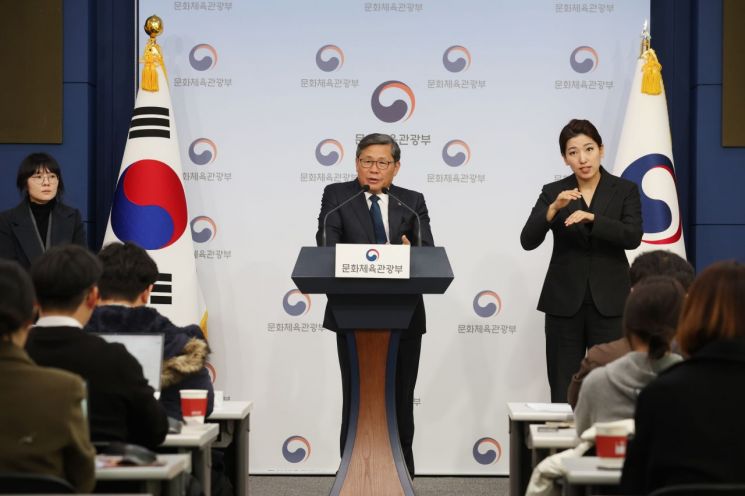
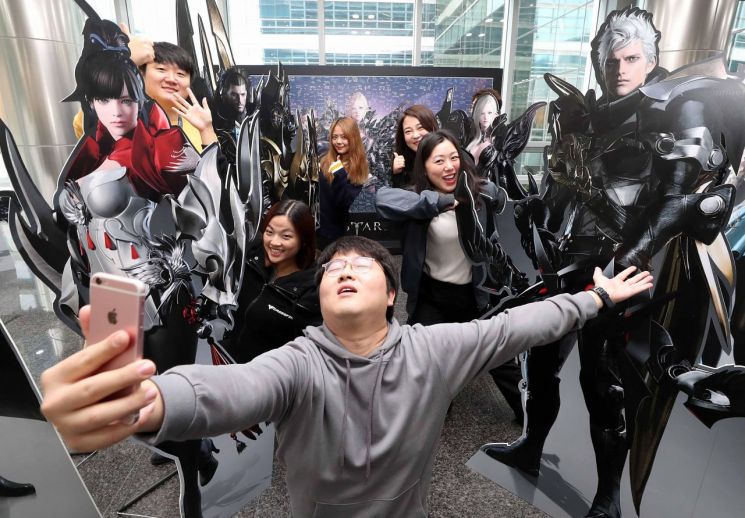
The domestic game industry recorded the fourth highest sales worldwide in 2022 (22.2 trillion won) due to the growth of computer and mobile games. However, it has been stagnant since the endemic phase. The industry is concentrated on computer and mobile games, and intensified global competition has triggered warning signs for continuous growth. Promotion policies are needed to boost the industry's growth rate again.
The government has set three major strategies aiming for a relaunch by 2028. The first is improving the institutional environment. It will innovate regulations with low effectiveness under the "Game Industry Act." The most notable change is expanding autonomy in preventive measures against online game overuse. Currently, users must verify their identity to play online games. Adolescents without verification methods cannot play even games rated for all ages. The government will make identity verification optional for all-ages games. Instead, members who do not verify their identity will be presumed to be adolescents and must obtain consent from a legal guardian.
The game time selection system, known as the "Selective Shutdown System," will be converted to a self-regulatory system, granting game companies the right to operate it independently. Additionally, the rating classification system will be gradually transferred to the private sector, the content modification reporting system will be eased, and the requirements for designating private rating classification operators will be relaxed. Measures to protect the game provision industry while enhancing industry autonomy will also be prepared, such as operating arcade game prizes, excluding game provision businesses from youth harmful establishments, and exempting administrative sanctions for bona fide game businesses.
At the same time, an effective user protection system will be established. Special litigation provisions under the "Game Industry Act" will be introduced for collective and distributed damage relief. Liability for damages to users by game companies will be stipulated in cases of violations of the obligation to disclose probabilities of probability-type items. The burden of proof will be shifted to game companies, providing users with grounds to effectively respond to damages.
To build a monitoring system related to the disclosure of probability-type item information, the monitoring team will be expanded step-by-step. It will start with establishing a domestic agent system under the "Game Industry Act" and the "Electronic Commerce Act" to eliminate reverse discrimination against overseas game companies. A Ministry of Culture, Sports and Tourism official said, "We will form a 'Special Task Force (TF) for Probability-Type Item Information Disclosure' consisting of the Game Rating and Administration Committee, industry, users, and academia to periodically review detailed standards of the system and operate it substantively." He added, "We will establish a 'Game User Rights Protection Center (tentative name)' within the Game Rating and Administration Committee to comprehensively assist users with damage reports, counseling, and litigation support related to incidents and accidents arising from games."
The second strategy is focused nurturing of console and indie games. Console games (28%) are the second largest segment in the global market after mobile games (44%). Especially in advanced regions such as North America and Europe, the user proportion exceeds 40%. The domestic share of console games is only 1.5%. However, recently notable games such as "P-ui Geojit" and "Dave the Diver" have emerged, indicating sufficient growth potential.
The government will establish a support system tailored to the characteristics of console games. It will collaborate with major console platform companies such as Microsoft, Sony, and Nintendo to discover promising domestic games and support customized production and platform entry, expanding opportunities to reach domestic users. Considering the market environment lacking production and distribution experience, a mentoring program will also be operated to transfer the experience and know-how of leading console game production companies.
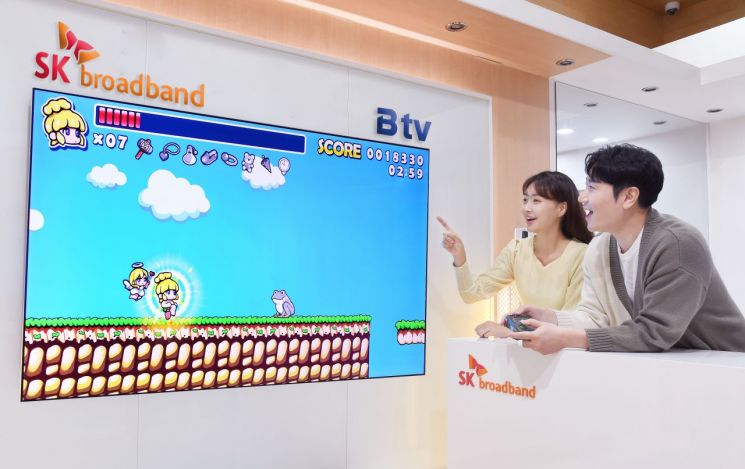
The path to global expansion will be paved through long-term support. Console games with high growth potential will be selected and connected with operators responsible for consulting, promotion, and distribution. A "K-Game Early Access" system will also be established to allow users to experience games in the production stage, providing feedback and inducing pre-release word-of-mouth effects.
Support for indie games will also be significantly strengthened. A "win-win cooperative startup support" project linking developers and leading companies will be introduced to provide a stable startup environment for early entrepreneurs and support excellent planning projects of domestic game-related students to be realized.
The third strategy is expanding the base of esports. Regional professional teams will be established to build a Korean-style esports league system, and support for middle and high school student clubs will be expanded. The undefined scope of the esports industry will also be defined. A new classification system will be prepared, and the added value of esports will be expanded by linking with other industries such as film, drama, and tourism.
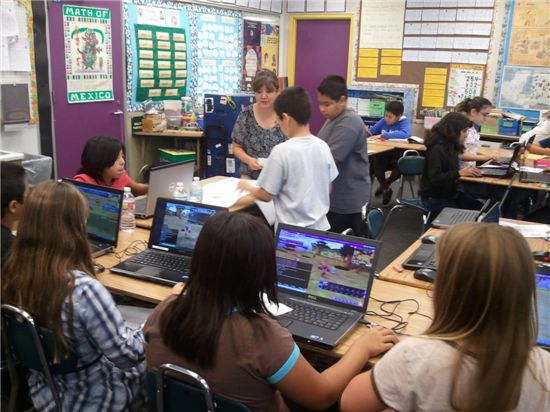 An American elementary school classroom learning math through 'Rose Online'
The government will also nurture game professionals. Opportunities for exchange with global game companies and educational institutions will be expanded, and outstanding projects by promising game talents will be promoted at major overseas game events such as indie game festivals. Additionally, education programs such as coding will be operated in connection with schools like Neulbom School, and youth game literacy will be promoted to help children learn a healthy game culture from early childhood.
A Ministry of Culture, Sports and Tourism official stated, "We plan to support various clinical trials to strengthen the role of digital therapeutics, such as 'EndeavorRx,' the first therapeutic game approved by the U.S. Food and Drug Administration (FDA)." He added, "We will actively respond to social perceptions that view games as causes of disease and crime."
© The Asia Business Daily(www.asiae.co.kr). All rights reserved.
![Clutching a Stolen Dior Bag, Saying "I Hate Being Poor but Real"... The Grotesque Con of a "Human Knockoff" [Slate]](https://cwcontent.asiae.co.kr/asiaresize/183/2026021902243444107_1771435474.jpg)


















