From May 1, COVID-19 Crisis Level Downgraded to 'Interest' Stage
Expansion of Vaccination Support Projects and Additional COVID-19 Vaccine Doses
Gumi City in Gyeongbuk has continuously strengthened its infectious disease response capabilities since the outbreak of COVID-19 and is tirelessly striving to become an ‘Infectious Disease Safe City’ that protects its citizens safely from new infectious diseases that may once again threaten our daily lives.
◆COVID-19 Crisis Level Downgraded to ‘Interest’ Stage
On May 1, the COVID-19 crisis level was lowered from the current ‘Alert’ (Level 3) to the lowest level, ‘Interest’ (Level 1). As a result, the previously applied legal obligations have been lifted, and the response will shift to voluntary quarantine measures.
▲Mask-wearing in hospital-level medical institutions and residential infection-vulnerable facilities changed to ‘recommended’ ▲Preemptive testing for residents in infection-vulnerable facilities such as nursing hospitals changed to ‘recommended’ ▲Isolation recommendation for confirmed cases eased from the current 5 days to ‘24 hours after improvement of COVID-19 symptoms’ ▲Out-of-pocket expenses for oral COVID-19 treatments imposed ▲Support for COVID-19 isolation hospitalization treatment costs ended, among other key points.
◆Proactive Infectious Disease Surveillance and Response Management to Prepare for the Next Pandemic
The city operates the ‘Gumi City Infectious Disease Response Regional Council,’ composed of infectious disease experts, emergency medical institutions, police, and fire departments, to analyze local infectious disease trends and conduct in-depth analysis of the status and causes of infectious disease outbreaks.
Additionally, through the operation of sentinel surveillance medical institutions, the city is implementing customized prevention management projects based on case-by-case epidemiological investigations to proactively respond by early blocking of infectious disease transmission within the community.
Gumi Public Health Center has been designated this year as a regional hub health center for the ‘Regional Dengue Fever Prevention Management Project’ to prevent overseas imported infectious diseases. In collaboration with two general hospitals in the area, it plans to establish a continuous surveillance system for overseas imported infectious diseases and strengthen early detection and active monitoring projects.
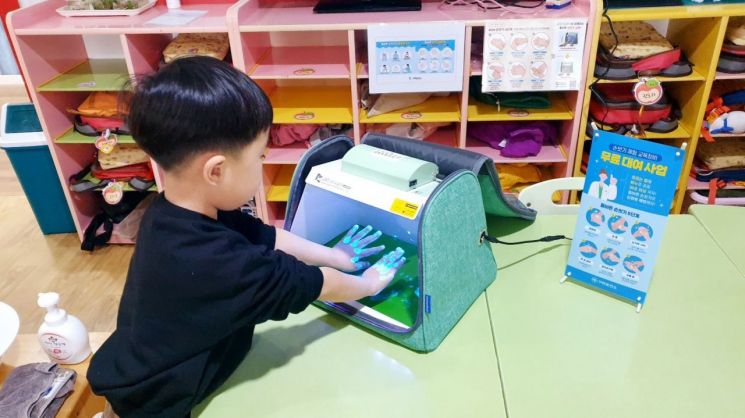
To promote proper handwashing education and practice, which is fundamental to infectious disease prevention, the city is implementing a ‘Free Rental Program for Handwashing Experience Educational Equipment’ that provides visual experiential learning for infants, children, and high-risk groups, receiving great public response.
◆Data-Centered Systematic Quarantine and Transition to an Eco-Friendly Quarantine Paradigm
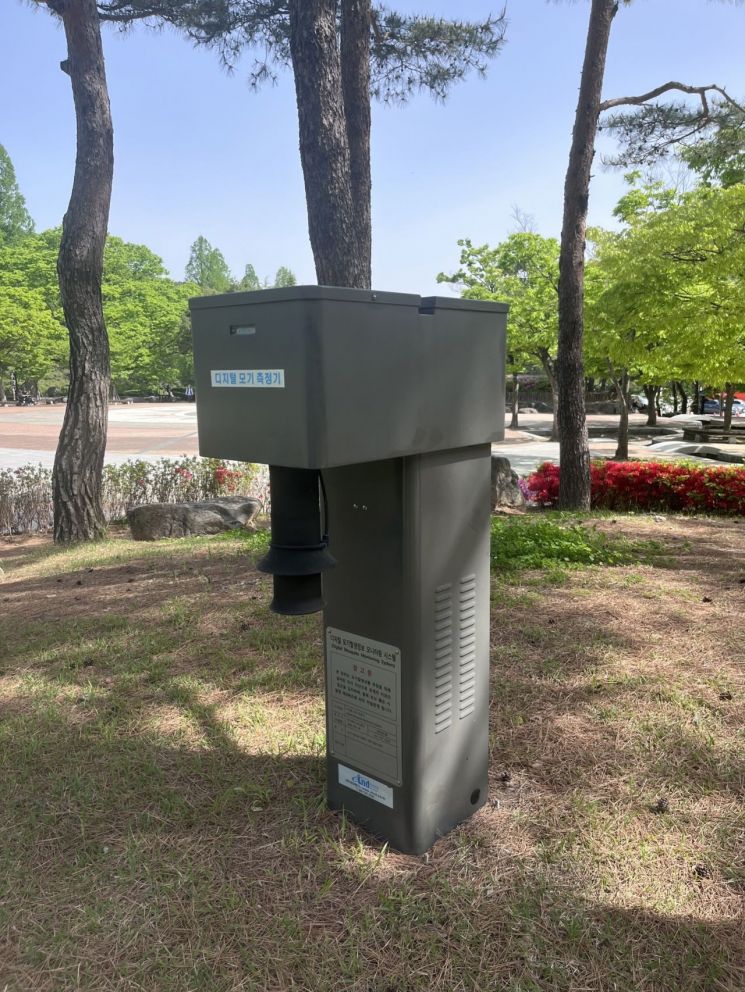
The city was the only municipality in Gyeongbuk among six nationwide selected for the ‘Evidence-Based Vector Control Project’ led by the Korea Disease Control and Prevention Agency.
This project involves automatic counting of mosquitoes collected by remote mosquito monitoring devices (DMS) and focused control of mosquito habitats. A total of 16 sites, including six newly installed locations in urban parks, are being operated.
This shifts the quarantine paradigm from simple periodic disinfection to a systematic and efficient control method, expected to greatly contribute to creating a pleasant and safe environment by protecting citizens’ health from various mosquito-borne infectious diseases.
In response to recent environmental pollution issues caused by indiscriminate insecticide spraying, the city is conducting eco-friendly quarantine that harmonizes nature and humans by planting citronella grass, effective for mosquito and sanitary pest control, in parks and camping sites frequently used by citizens, and installing 10 additional insect traps that physically control pests after attracting them.
◆Making Gumi Safe from Tuberculosis
South Korea ranks second among OECD countries in tuberculosis incidence. It is the most prevalent and fatal notifiable infectious disease, causing a significant disease burden, making prevention and management crucial.
The city is focusing on locally tailored promotional campaigns considering the high number of patients in workplaces and the sharp increase in new tuberculosis cases among those aged 65 and older.
In March, to commemorate ‘Tuberculosis Prevention Week,’ a tuberculosis prevention relay campaign was conducted targeting about 1,500 employees at workplaces including LG Display, Samsung Electronics Gumi Plant 2, and Toray Advanced Materials Plant 4. The city also runs a ‘Visiting Tuberculosis Screening Project’ for infection-vulnerable facilities such as elderly welfare centers, and the public health center provides free annual tuberculosis screening for those aged 65 and above throughout the year.
Moreover, vulnerability assessments are conducted for tuberculosis and suspected patient reporters, and patient management and support are strengthened through tailored case management by risk group. The city plans to make every effort to create a tuberculosis-safe Gumi by aiming to reduce the tuberculosis incidence rate to half of the current level by 2027.
◆Expansion of Vaccination Support Projects and Additional COVID-19 Vaccinations
Last year, in response to residents’ requests received through the ‘On-site Communication Mayor’s Office,’ free shingles vaccinations were expanded for low-income groups aged 65 and older, demonstrating proactive administration that communicates with citizens. Free influenza vaccinations are also supported for vulnerable groups under 65, continuously working to prevent diseases and protect citizens’ health.
To prevent severe illness and death caused by COVID-19 infection, the public health center and 20 entrusted medical institutions are intensively administering additional vaccinations to high-risk groups.
The recommended recipients for additional vaccinations are elderly people aged 65 and older or immunocompromised individuals aged 5 and above who received COVID-19 vaccines in 2023 and 2024. Additional vaccination can be administered 3 months (90 days) after the last dose.
Mayor Kim Jang-ho said, “I thank the citizens who have actively cooperated with COVID-19 quarantine policies over the past four years. We will continue to prioritize citizens’ health and do our best to implement various infectious disease policies. Even after a full return to normal life, I hope everyone continues to observe personal hygiene rules such as handwashing and cough etiquette to maintain a healthy life.”
© The Asia Business Daily(www.asiae.co.kr). All rights reserved.
![Clutching a Stolen Dior Bag, Saying "I Hate Being Poor but Real"... The Grotesque Con of a "Human Knockoff" [Slate]](https://cwcontent.asiae.co.kr/asiaresize/183/2026021902243444107_1771435474.jpg)












