Fast Retailing
Plans to Increase Foreign Management Ratio to 80% by 2030
"Need CEO Well-Acquainted with Local Conditions"
Fast Retailing, a Japanese company that owns fashion brands Uniqlo and GU, announced plans to increase the proportion of foreigners in managerial positions at its global branches to 80%. The company also declared its intention to recruit talent through partnerships with universities in India and Vietnam. This bold strategy is deemed necessary for expanding into the global market.
On the 1st, Nihon Keizai Shimbun (Nikkei) reported that Fast Retailing aims to raise the percentage of foreigners in managerial roles to 80% and in executive positions to 40% by 2030. To achieve this, Fast Retailing plans to link recruitment with several universities across Asia. Nikkei emphasized, "While companies like Fujifilm Holdings and Hitachi have started appointing foreigners as managers or executives, the 80% ratio is the highest among Japanese companies."
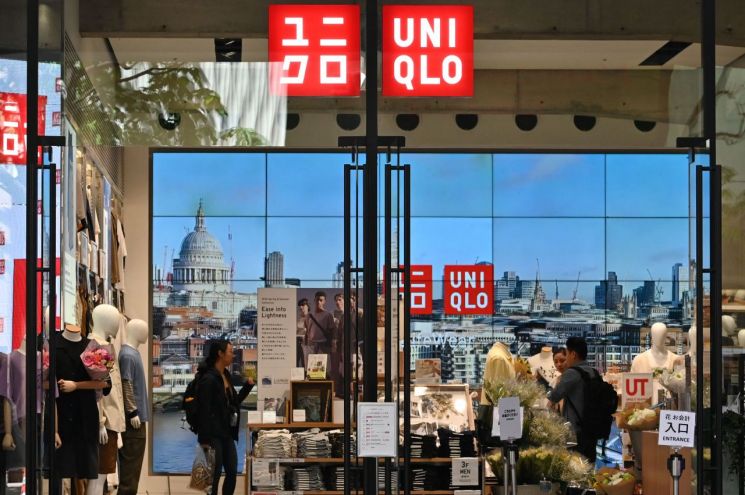
Fast Retailing believes that such measures must follow to become a global chain encompassing markets worldwide. Since last year, Uniqlo, Fast Retailing’s fashion brand, has seen its overseas business exceed 50%. To expand overseas operations, attracting foreign talent is essential. Currently, the company has its management strategy divisions in Japan and the United States, and it plans to bolster staff there to build an integrated supply chain covering new overseas store openings, procurement, and IT integration.
To this end, the company is putting effort into recruitment from the outset. It is expanding partnerships with overseas universities. Last year, Fast Retailing partnered with six universities in India and Vietnam and hired 70 students who had earned master’s degrees in IT or business administration. The company plans to increase such partnerships going forward. The reason for reaching out to the Southeast Asian talent pool is that the region is considered a potential market. Fast Retailing’s goal is to develop foreign talent into local CEOs who understand both local conditions and company strategy.
The company has also improved compensation to attract experienced employees. For example, the starting salary for new hires at the Japan headquarters was raised to 300,000 yen (2.63 million KRW) last year, and in October of the same year, salaries at the China branch were increased by up to 40%. Nikkei analyzed, "The Spanish company operating the fashion brand Zara sets a minimum wage of 1,500 euros (2.21 million KRW) for its employees. Considering this, Fast Retailing is raising salaries to a level comparable with peers in the same industry."
The media views these efforts as essential in Japan, which is facing chronic labor shortages and sluggish domestic demand. Nikkei pointed out, "While many foreign workers are employed, few companies emphasize foreigners in important positions such as management. Among listed companies with sales exceeding 500 billion yen, only 29% had at least one foreign executive as of 2022."
In fact, Japan ranked 22nd out of 38 major countries in the OECD’s “Most Attractive Countries for Foreign Talent” ranking published last year. Nikkei added, "Companies that create a good working environment for foreigners in key positions will ultimately gain a competitive edge in talent."
© The Asia Business Daily(www.asiae.co.kr). All rights reserved.
![User Who Sold Erroneously Deposited Bitcoins to Repay Debt and Fund Entertainment... What Did the Supreme Court Decide in 2021? [Legal Issue Check]](https://cwcontent.asiae.co.kr/asiaresize/183/2026020910431234020_1770601391.png)
















