National Museum of Korean Contemporary History 'Coal Era with the Community'
Over 130 Items Including Goetan Coal Chunks and Drilling Machines Exhibited
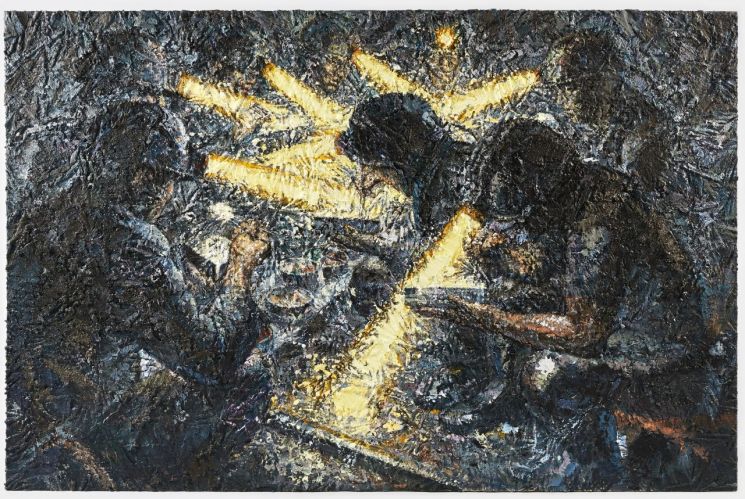
An exhibition reflecting on the modern history of coal, which was the driving force behind South Korea's industrial growth and a fuel for ordinary people, is being held. The National Museum of Korean Contemporary History will host "The Coal Era with the Region" from the 26th of this month until September 22. It showcases over 130 items from the Mungyeong, Boryeong, and Taebaek Coal Museums, including coal lumps, the "Jeungsan Boguk (增産報國)" signboard (a framed plaque hung at the center top of a building or gatehouse), and drilling machines. Alongside works by the "Miner Painter" Hwang Jae-hyung, the exhibition asks how the remaining coal industry heritage should be remembered and preserved.
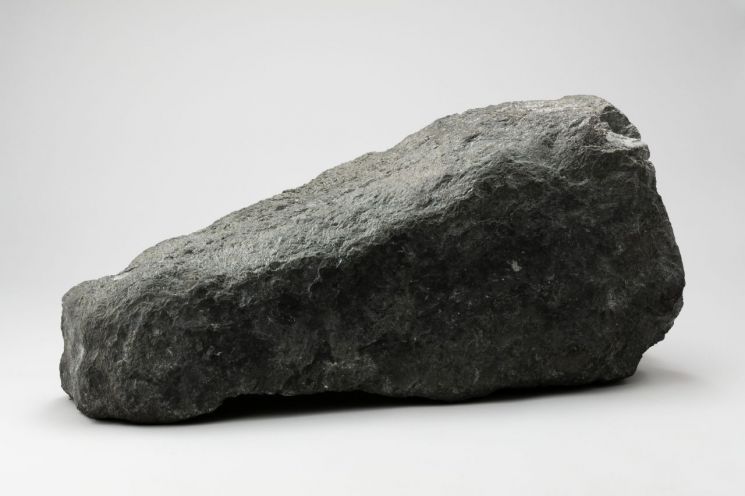
The exhibition is divided into five sections. The prologue is titled "Hot and Intense Stone." It introduces the history from coal formation to the Industrial Revolution through videos. It also displays a 1-meter-long anthracite coal mined in Taebaek and plant fossils that thrived millions of years ago in Mungyeong and Boryeong. Part 1, "Achieving Economic Revival through Increased Coal Production," highlights the relentless challenges and efforts aimed at increasing coal output.
Part 2, "The Siren Sounds, Let's Go to Work," lists mining tools directly used in the coal mines of Mungyeong, Boryeong, and Taebaek. Through videos filling the walls, visitors are guided into the mine tunnels and hear stories related to female mine workers and miners' lunchboxes. Part 3, "Dad! Safe Again Today," is a space that looks into the lives of coal mining village residents. It reconstructs the unique lifestyle culture of miners and their families exposed to industrial accident environments from a child's perspective.
The epilogue is titled "Remembering Them." It shows the process from the implementation of coal industry rationalization policies to the enactment of special laws supporting the development of closed mine areas. It also presents cases of regions transformed into cultural industry areas by leveraging the coal industry heritage left behind after mine closures.
© The Asia Business Daily(www.asiae.co.kr). All rights reserved.


















