The CEO of a real estate consulting firm, who was identified as the mastermind behind Jeong Mo, the so-called 'Gangseo-gu Villa King' who died in July 2021 after purchasing around 240 villa officetels in Gangseo-gu, Seoul through gap investment and running a rental business, was sentenced to 8 years in prison by the Supreme Court.
According to the legal community on the 24th, the Supreme Court's 2nd Division (Presiding Justice Kwon Young-jun) upheld the original sentence of 8 years imprisonment against Shin Mo (38), who was arrested and prosecuted on charges of fraud.
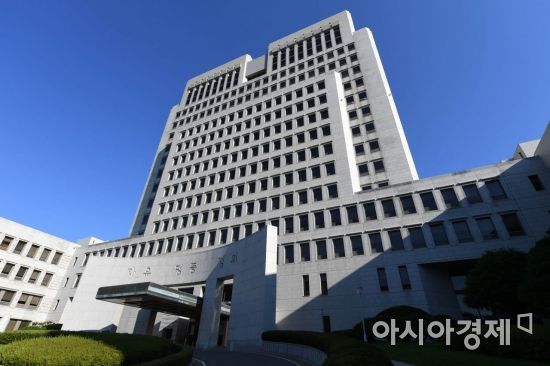
The court stated the reason for dismissing Shin's appeal was that "there was no error in the lower court's judgment regarding the duty to disclose in fraud charges or the legal principles concerning changes to the indictment."
Shin was prosecuted on charges of embezzling 8.03 billion KRW in jeonse deposits from 37 tenants by purchasing multi-family houses through a no-capital gap speculation method, using several so-called 'villa kings' who lent their names to his company from July 2017 to September 2020.
Shin simultaneously conducted lease contracts and sales (subscription) contracts, using tenants' jeonse deposits to cover real estate purchase payments without his own capital. The prosecution applied fraud charges, believing that he committed the crime knowing from the start that he could not return the deposits.
In court, Shin argued that the damage was partly due to the government's flawed policies, but the first trial court found all of Shin's charges guilty.
The court pointed out, "If the victims had known that the actual sale price of the houses was lower than the lease deposits they paid, and that the sales agents and brokers involved in the transactions received rebates, they would not have entered into the contracts," adding, "Shin had a duty to disclose this but failed to do so."
Shin also claimed that since he did not directly meet the victims to conclude the contracts, the fraud charge based on breach of duty to disclose did not apply. However, the court ruled that Shin colluded sequentially and tacitly with sales brokers and tenant brokers to commit the crime, and since those accomplices failed to fulfill their duty to disclose to the victims, the contracts were concluded, so there was no problem in establishing fraud.
Furthermore, Shin appealed, "The content subject to disclosure in this case is that 'the sales contract and the jeonse contract proceed simultaneously, and the sale price and the jeonse deposit are the same.' However, in some cases, since the sales contract proceeded simultaneously and the sale price and jeonse deposit were disclosed as equal, there is doubt whether fraud charges apply in those cases."
However, the court stated, "From the victims' perspective, if they had known that the builder and others conducted 'simultaneous transactions,' that the actual sale price was lower than the lease deposits they paid, that the buyer of the leased property was a so-called no-capital gap investor receiving rebates, and that sales agents and brokers involved in the transaction received rebates far exceeding the legal fees, it is reasonable to conclude that they would not have entered into the lease contracts," emphasizing, "All of these are matters that should have been disclosed to the victims. Nevertheless, the defendant, sales agents, and brokers failed to disclose all or part of these facts to the victims," rejecting Shin's claims.
Meanwhile, the prosecution stated in the indictment that Shin deceived the victims and embezzled the lease deposits through builders, sales agents, and brokerage assistants, but the court ruled ex officio that since sales agents and brokers should be considered co-principals, the person who received the lease deposits was not Shin but the builders and others.
Shin's side objected to this, but the court stated, "If the court recognizes the identity of the facts charged within the scope of the trial and considers that there is no substantial disadvantage to the defendant's right to defense, it may recognize criminal facts different from those stated in the indictment ex officio, even if the indictment has not been amended."
The appellate court also upheld the first trial sentence, stating, "The sales brokers, tenant brokers, the defendant, and accomplices formed an abnormal transaction structure to obtain economic benefits such as rebates."
The Supreme Court also found no problem with this appellate court ruling.
© The Asia Business Daily(www.asiae.co.kr). All rights reserved.
![User Who Sold Erroneously Deposited Bitcoins to Repay Debt and Fund Entertainment... What Did the Supreme Court Decide in 2021? [Legal Issue Check]](https://cwcontent.asiae.co.kr/asiaresize/183/2026020910431234020_1770601391.png)















