Israel planned a wide-ranging retaliatory strike against Iran but scaled it back under pressure from the United States and other Western allies, according to reports from the U.S. media.
The U.S. daily The New York Times (NYT) reported on the 22nd (local time), citing three anonymous senior Israeli officials, that Israel's attack on Iranian mainland carried out in the early hours of the 19th was significantly reduced from the original plan.
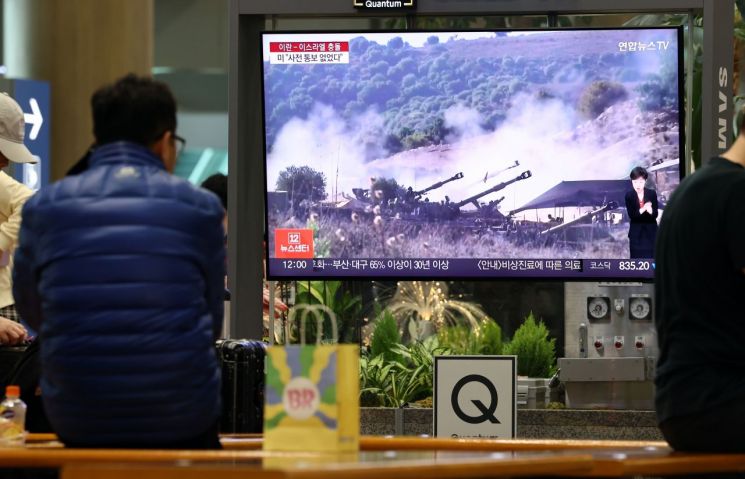
According to them, the Israeli leadership initially discussed striking multiple military targets across Iran, including near Tehran, the capital of Iran. If Iran were to retaliate, there was a very high possibility of the conflict escalating into a large-scale war in the Middle East.
In response, U.S. President Joe Biden and foreign ministers from the United Kingdom and Germany reportedly persuaded Israeli Prime Minister Benjamin Netanyahu to avoid escalation. Israeli officials also said the timing of the retaliatory strike was delayed from the original plan.
Western allies stepped back from pressuring Israel not to retaliate at all and signaled that they would tolerate retaliatory strikes that would not provoke an Iranian counterattack. Accordingly, Israel scaled down the scope and scale of the attack from the original plan and carried out a limited strike.
Officials said that among the missiles Israel launched at Iran, one hit the air defense system near Natanz in central Iran, where nuclear facilities are located, but another was deliberately destroyed in the air. This decision was made to avoid excessive damage since the first missile successfully hit its target.
Officials explained that this method of attack by Israel was intended to send a sufficient warning signal to Iran while leaving room for Iran not to respond with a similar level of retaliation.
© The Asia Business Daily(www.asiae.co.kr). All rights reserved.
![User Who Sold Erroneously Deposited Bitcoins to Repay Debt and Fund Entertainment... What Did the Supreme Court Decide in 2021? [Legal Issue Check]](https://cwcontent.asiae.co.kr/asiaresize/183/2026020910431234020_1770601391.png)















