Google and Meta Warn "Will Block California News"
Reached Usage Fee Agreement After Conflict with Canadian Government Last Year
The state of California in the United States is pushing legislation to charge big tech companies (large information technology firms) for news usage fees, intensifying the conflict between companies and the state government over the so-called 'link tax,' the Washington Post (WP) reported on the 21st (local time).
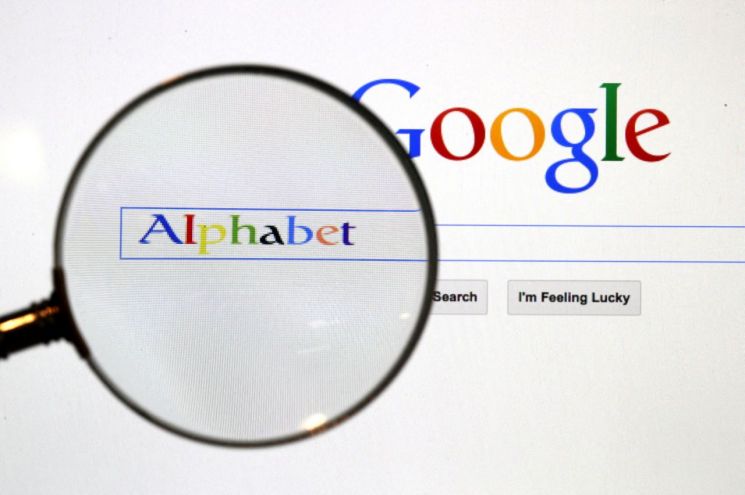
According to the report, Google recently blocked news links from California-based media outlets from appearing in Google search results for California residents. Jasper Zeidy, Vice President of Global News Partnerships at Google, stated in a blog post on the 12th, "We plan to conduct a short-term test excluding links to California-based news websites from search results to investigate the impact of the 'California Journalism Protection Act' (CJPA) on our products."
California politicians and media outlets have strongly criticized this move. Mike McGuire, a California state senator (Democrat) who introduced the CJPA bill, condemned it as "a clear abuse of power and dangerous arrogance by Google." Brittney Varsoti, legal counsel for the California News Publishers Association, denounced it, saying, "It is seriously concerning that one company can essentially block the free flow of information for California residents." The News Media Alliance, representing 2,200 media outlets nationwide, has sent letters to the U.S. Department of Justice and the Federal Trade Commission (FTC) requesting an investigation into whether Google has violated antitrust laws.
At the center of this conflict is the CJPA, a bill that mandates big tech companies like Google and Meta Platforms to pay news usage fees to local media outlets. The bill passed the California State Assembly last June and is awaiting a vote in the Senate. The legislation is based on the premise that since big tech companies generate enormous profits from news content, they should pay fair compensation when displaying parts of news articles or links on search results or social networking services (SNS).
There is also a rationale to protect local media outlets facing management crises, unlike big tech companies. WP reported that while Google and Meta have steadily increased their dominance in the advertising market over the past 20 years, thousands of local newspapers in the U.S. have shut down. About 350 local media outlets, including the LA Times, which have struggled with operational difficulties such as declining advertising revenue, layoffs, and bankruptcy, signed a letter supporting the bill on the 18th. In contrast, Google and Facebook earned advertising revenues of $65.5 billion and $40.1 billion respectively in the fourth quarter of last year.
The big tech companies targeted by the regulation are pushing back. Andy Stone, Meta spokesperson, warned in a statement released last year ahead of the California State Assembly vote, "If the Journalism Protection Act passes, we will remove news from Facebook and Instagram instead of paying usage fees." Jasper Zeidy, Vice President of Global News Partnerships at Google, also pointed out that "the 'link tax,' which charges Google for Californians accessing news articles, is the wrong approach to supporting journalism."
Previously, when similar legislation passed in Canada last June, Google and Meta stopped providing news links. However, Google later reached an agreement with the Canadian government to pay approximately $73.5 million (about 95 billion KRW) annually to the Canadian media industry, temporarily resolving the issue. In 2021, when Australia passed a law requiring big tech to negotiate fees for displaying media content on their sites, Meta and Google retaliated by threatening to withdraw news link provision and search engine services from their platforms.
© The Asia Business Daily(www.asiae.co.kr). All rights reserved.

















