Korea Insurance Research Institute Survey of 1,508 Adults Nationwide
"Need to Utilize Private Pensions Such as Retirement and Personal Pensions"
A majority of 81% of domestic adults who have not yet retired are found to be unprepared for the income gap period after retirement.
On the 21st, the Korea Insurance Research Institute announced the results of a survey conducted on 1,508 adults nationwide under the age of 60 through the report titled "Perception and Subjective Preparation for Income Crevasse (Income Gap Period after Retirement)." The results showed that 81.3% of non-retirees responded, "I am worried about the income gap period after retirement, but I have not yet prepared for it." On the other hand, only 12.0%, about one in ten, answered that they were "well prepared" for the income gap period after retirement, and 6.7% said they "do not feel the need to prepare."
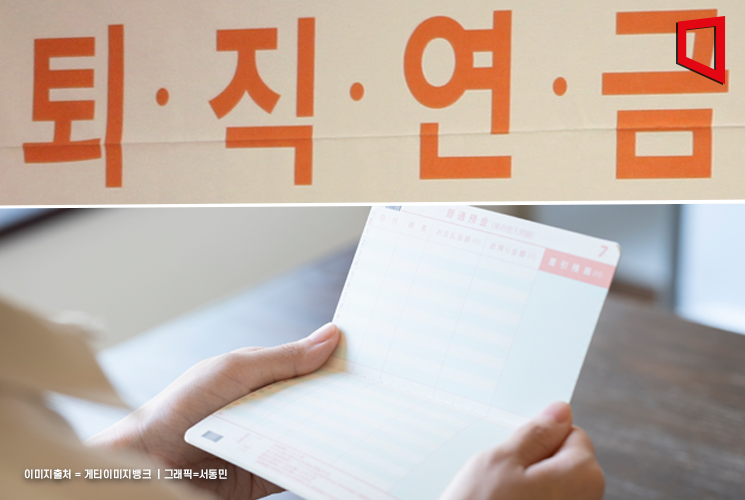
People in their 30s and 40s were more negligent in preparing for retirement than those in their 50s, who are closer to retirement. The response of "not prepared" was 82.1% for those in their 30s, 87.3% for those in their 40s, and lower at 81.4% for those in their 50s. Awareness of the "income crevasse" was also low. Among all respondents, 28.5% said they knew about the income crevasse, 42.1% said they had heard of it, and 29.4% said they had never heard of it.
The top primary source of income after retirement chosen by respondents was the National Pension. They answered the main sources of income after retirement (multiple responses allowed) as follows: ▲ National Pension (46.9%) ▲ Deposits, savings, and savings-type insurance (16.1%) ▲ Retirement pension (8.9%) ▲ Stocks and bonds (8.7%) ▲ Private pension (8.6%) ▲ Real estate (7.1%). Additionally, most of them (75.5%) planned to receive their pension at the normal pension eligibility age, indicating a high possibility of deepening income gaps after retirement.
In Korea, the normal pension eligibility age for old-age pension has been gradually raised from 60 years old in 2013 to 2033 by one year every five years. Therefore, for those born after 1953, the normal pension eligibility age increased from 60 to 61, and for those born after 1969, the normal pension eligibility age is 65.
Researchers Byung-guk Oh and Hyewon Byun from the Korea Insurance Research Institute explained, "Since most respondents have low awareness and preparation levels for the income gap period after retirement, it is necessary to utilize private pensions to appropriately respond to related risks." They added, "Although early receipt of the National Pension can be a way to respond, one must carefully consider that the pension amount received later will be reduced." They also suggested, "Private pensions, including retirement pensions, private pensions, and housing pensions, have a pension eligibility age of 55 or older, so they can help alleviate the income gap after retirement. However, since the utilization rate of private pensions among most respondents is low, government policy support and the development and supply of various pension products by financial companies are needed to resolve this issue."
© The Asia Business Daily(www.asiae.co.kr). All rights reserved.
![Clutching a Stolen Dior Bag, Saying "I Hate Being Poor but Real"... The Grotesque Con of a "Human Knockoff" [Slate]](https://cwcontent.asiae.co.kr/asiaresize/183/2026021902243444107_1771435474.jpg)
















