As Part of 'Project Curiosity'
Disguised as Third-Party Sellers to Generate $1 Million Annual Sales
Attended Walmart and eBay Meetings to Gather Information
The world's largest e-commerce company, Amazon, has secretly collected information on competitors by setting up third-party sellers, the Wall Street Journal (WSJ) reported on the 18th (local time).
According to the report, Amazon established a company called 'Big River Services International' (hereinafter Big River) in Seattle in 2015 as part of an operation named 'Project Curiosity.'
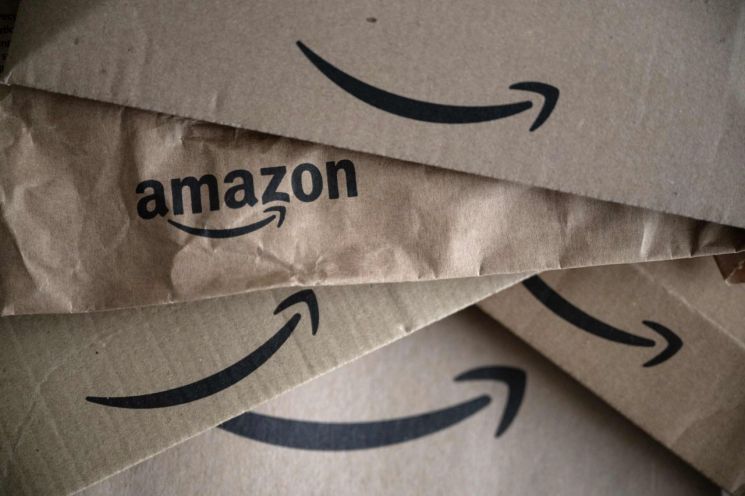
This company has been delivering various types of products such as shoes, beach chairs, and T-shirts to online customers across the United States. Under brand names like Rapid Cascade and Svea Bliss, Amazon generated approximately $1 million in annual sales targeting competitors including Walmart and eBay as well as Amazon itself. On its website, the company describes itself as "entrepreneurs, thinkers, marketers, and creators with a passion for customers and a spirit of experimentation."
However, the newspaper revealed that all of this was a strategy to conceal industrial espionage. WSJ reported, "Big River has operated across multiple countries to obtain information on e-commerce market trends, competitors' pricing data, logistics information, and payment services," adding, "The data obtained in this way was shared with Amazon."
The actions taken to collect information were also meticulous. Big River members attended competitors' seller meetings and met with competitor employees while thoroughly hiding the fact that they were working for Amazon. Externally, they used email addresses other than the assigned Amazon emails to communicate with Amazon employees. Furthermore, to maintain project secrecy, matters related to Big River were reported to Amazon executives in printed copies rather than by email. A Big River official stated, "Amazon CEO Doug Herrington and other top executives regularly received reports on the Project Curiosity team's work."
The main target of Project Curiosity appeared to be Amazon's biggest rival, Walmart. Although there was a high barrier for third-party merchants at Walmart, Big River first targeted companies like Jet.com, which Walmart had acquired, to gain selling qualifications. They also inflated sales by selling products to Amazon to meet Walmart's profit criteria. WSJ reported that 69% of Big River's revenue last year came from Amazon.
Amazon responded by saying, "Benchmarking is a common practice in business," and explained, "Like many other retailers, Amazon has a customer experience team that studies sales partners and customer experiences." They added, "We understand that competitors are also conducting research on Amazon by selling products on Amazon's site."
WSJ pointed out, "Most companies collect publicly available documents, purchase products, or visit stores to investigate competitors," but experts say there is a clear difference between gathering publicly accessible information and engaging in industrial espionage. Elizabeth Rowe, a professor at the University of Virginia School of Law, diagnosed, "Misrepresenting oneself to a competitor to obtain proprietary information can lead to lawsuits over trade secret misappropriation."
© The Asia Business Daily(www.asiae.co.kr). All rights reserved.

















