If You Upload a 5-Minute Video, 30 Videos Are Created in 4 Minutes
In the Indian general election, a 'hyper-personalized' campaign using artificial intelligence (AI) as a tool is being conducted.
The New York Times reported on the 18th (local time) that in India, where nearly one billion voters are expected on the 19th, AI-generated images are being used to appeal for votes.
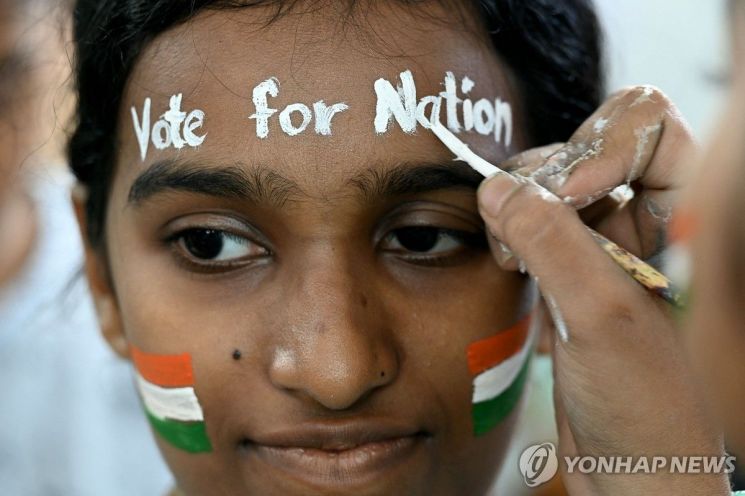
India will hold a general election to elect members of the federal lower house over six weeks from the 19th (local time) to June 1. Narendra Modi (73), who has achieved economic growth, is likely to secure a third term.
According to the report, on WhatsApp, videos can be seen of Indian Prime Minister Narendra Modi calling out the names of a series of voters during speeches. Officials from the ruling Bharatiya Janata Party (BJP) also send personal messages about government benefits to specific voters via AI avatars on WhatsApp, requesting their votes.
There is also a method powered by chatbots like ChatGPT. Each party not only sends text messages but also makes direct calls using replicated voices. Since various languages are used in India, videos are automatically generated in dozens of languages accordingly. AI chatbot phone messages that call using the political leader’s voice to seek support are also possible.
"If fraudulent videos appear..."
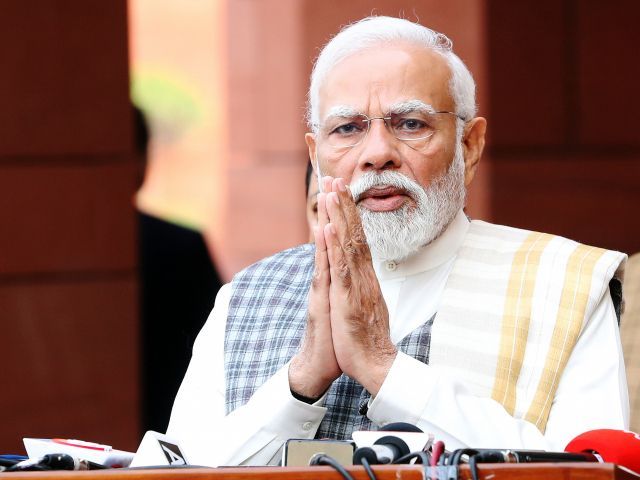
There is also a significant demand for advertising requests for this purpose. An Indian AI startup said it received 200 AI avatar advertising production requests from the political sector this year. This company, which had been producing avatar ads for actors, stated that it is currently working on 14 of these requests.
What is needed to create such videos is about five minutes’ worth of materials, such as audio recordings and profile photos. Using open-source AI systems with these materials, about 20 personalized greeting videos can be produced in four minutes. The maximum daily production volume can reach up to 10,000 videos.
The New York Times pointed out that this method "could become an essential tool in future elections." In the past, voters would hang up when called, but now, if AI calls out the voter’s name, they do not hang up and show interest.
Nikhil Pahwa, editor of Indian technology analysis site Medianama, said, "India is a country that likes to imitate celebrities and take photos with them," adding, "If people receive a call from the prime minister who speaks as if he knows where they live and what their problems are, people will like it."
The problem is that there are no practical safeguards to prevent misuse of this technology. There are concerns that voters may increasingly find it difficult to distinguish between real and synthetic messages.
Pratik Waghre, executive director of the Indian NGO Internet Freedom Foundation (IFF), expressed concern, saying, "If people accept this as a standard for receiving information, what will happen six months later when fraudulent videos appear?"
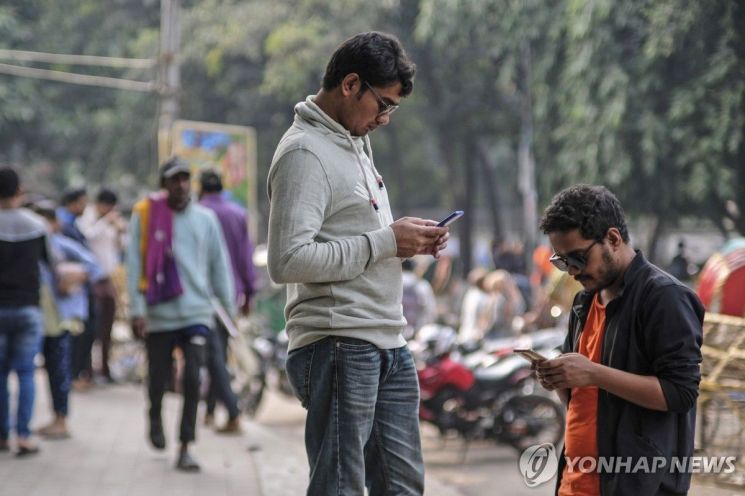
Meanwhile, the Indian general election will be held over 44 days in seven phases across 28 states and 8 union territories. The electorate consists of about 968 million adults aged 18 and over (out of a total population of approximately 1.04 billion). A total of 1.05 million polling stations will operate sequentially over six weeks, managed by 15 million officials.
The election is conducted under a single-member constituency system where the candidate with the most votes wins, and counting will begin three days after voting ends, on June 4. Electronic voting machines will be used, and election results are expected on the same day.
© The Asia Business Daily(www.asiae.co.kr). All rights reserved.



















