U.S. President Joe Biden has decided to triple tariffs on Chinese steel and aluminum. However, South Korea is expected to be unaffected by the U.S. tariff increase on China as it has opted for a 'quota reduction' that lowers export volumes.
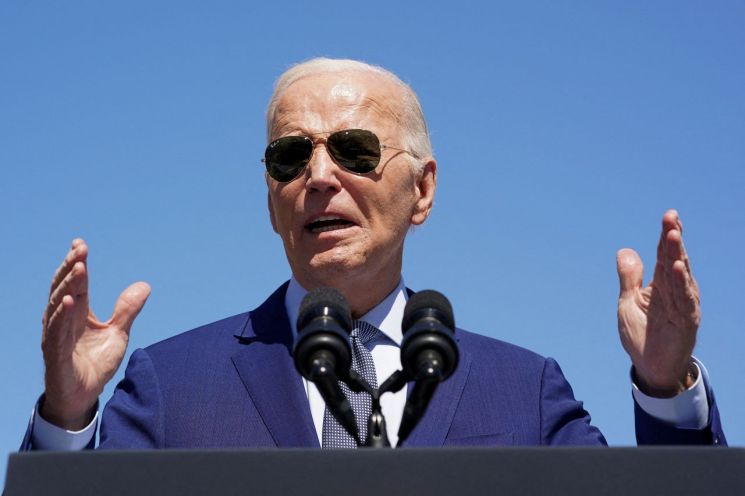
On the 17th (local time), AFP reported that President Biden instructed the U.S. Trade Representative (USTR) to raise tariffs on Chinese steel and aluminum from the current 7.5% to 25%, a threefold increase. The USTR is a presidential agency responsible for directing U.S. trade policy.
However, this is not expected to have a significant impact on the South Korean steel and aluminum markets. In 2018, the Donald Trump administration imposed high tariffs and limited quantities through the 'Steel Section 232' to protect the domestic steel industry. South Korea chose to reduce quotas instead of facing high tariffs. While South Korean steel exports to the U.S. averaged 3.83 million tons annually from 2015 to 2017, they decreased to around 2 million tons in 2021. Nevertheless, South Korea benefits from a '2.63 million tons tariff-free' quota for steel exports to the U.S.
If Chinese steel is not exported to the U.S., a global oversupply of steel could occur, potentially leading to a downturn in the steel industry itself. Recently, China’s construction sector has weakened, reducing steel demand. China is already exporting steel overseas at low prices to address domestic steel oversupply. Currently, there is an estimated oversupply of about 100 million tons of steel. From January to February this year, China’s steel production increased by 1.6% compared to last year, and exports rose by 36%.
However, last month, the China Iron and Steel Association announced plans to cut steel production due to weak domestic demand and rising inventories. Additionally, earlier this month, the association requested authorities to impose production restrictions on steel and related products.
© The Asia Business Daily(www.asiae.co.kr). All rights reserved.
![Clutching a Stolen Dior Bag, Saying "I Hate Being Poor but Real"... The Grotesque Con of a "Human Knockoff" [Slate]](https://cwcontent.asiae.co.kr/asiaresize/183/2026021902243444107_1771435474.jpg)
















