Tea Market Surges 30% in 4 Years
Consumers Prioritize Healing Post-COVID-19
Expansion of MZ Generation Consumer Base... Tea Bar Hotspots Emerging
#Sora Kim, a 30-something IT freelancer (pseudonym), has recently taken a liking to 'cha' (tea). Living near Hongdae Entrance Station on Subway Line 2, Kim often visits a tea house in Yeonnam-dong to enjoy premium teas imported from China, Taiwan, and India. On payday, she usually orders a tea course priced around 40,000 won, which includes various teas and traditional Korean sweets called dasik. Although the price is high for tea, it is a small luxury, a 'small luxury' she enjoys as a treat for herself amid the daily grind.
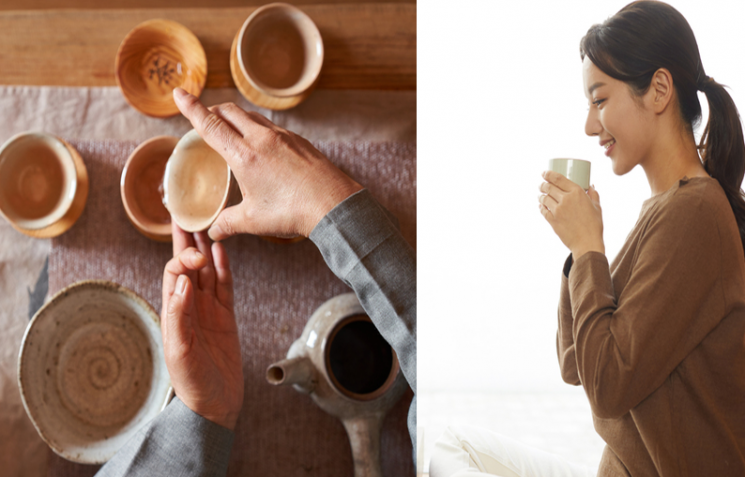 The MZ generation, who prefer unique cultural experiences, are expanding the tea market by visiting hot places such as tea bars. The photo is not directly related. [Image source=Getty Images]
The consumption of tea in Korea has been steadily increasing. Since the COVID-19 pandemic, more consumers have prioritized health and healing, leading to a broader age range enjoying tea. In particular, the MZ generation (Millennials + Generation Z), who prefer unique cultural experiences, are expanding the tea market by visiting trendy spots like tea bars.
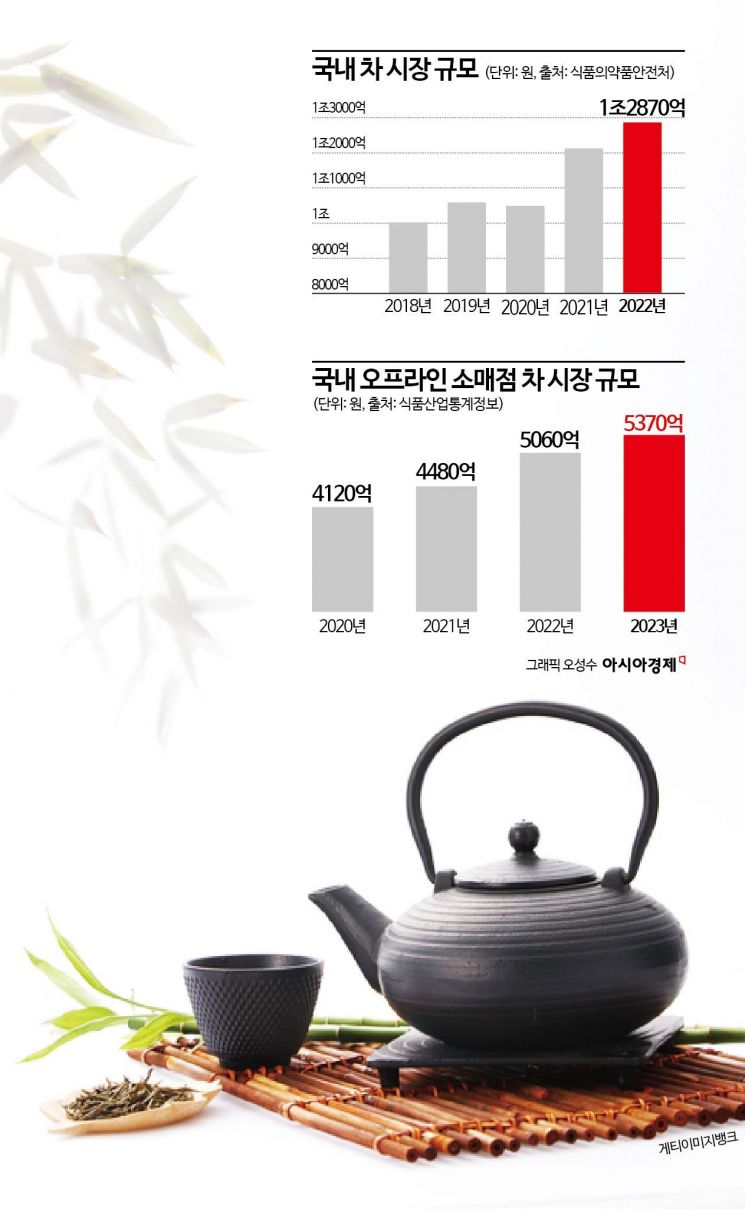
According to the Ministry of Food and Drug Safety and the Korea Agro-Fisheries & Food Trade Corporation on the 10th, the domestic tea market size grew by more than 28% over four years, from 1.002 trillion won in 2018 to 1.287 trillion won in 2022. Offline retail sales of tea products in Korea also increased by 6.1% year-on-year to 537 billion won last year. A representative from the Korea Agro-Fisheries & Food Trade Corporation explained, "Since COVID-19, the trend of preferring health-beneficial beverages such as sugar-free and calorie-free drinks has continued, leading to the expansion of the tea market."
In fact, increased interest in tea has led to more consumers choosing tea over coffee at cafe franchises. For example, Starbucks Korea's tea beverage sales rose by 15.5% last year compared to the previous year. At Ediya Coffee, sales of traditional teas (such as ginger tea and Ssanghwa tea) increased by 78% as of October last year compared to the previous year, and blended teas combining herbs and fruit syrups grew by 22% during the same period.
While tea consumption was traditionally associated with older generations, it is now spreading among younger people. Particularly, tea ceremonies (the practice of brewing tea leaves to cultivate body and mind) have emerged as a new healing method, making tea culture popular among the MZ generation seeking relaxation in daily life. They do not simply consume tea as a beverage but enjoy it as a form of small luxury. Despite the high price, they enjoy tea time at luxury hotels or visit tea bars and tea omakase venues where various foods are paired with tea.
An industry insider said, "Recently, unique recipes mixing black tea with alcoholic beverages have gained popularity on social media," adding, "Beyond black tea highballs, beverage and ice cream companies are launching tea combination menus, contributing to the overall expansion of the tea market."
© The Asia Business Daily(www.asiae.co.kr). All rights reserved.


















