Ruling and Opposition Parties Clash Over Voting Booth Supplies Like Green Onions and Japanese Shampoo
The National Election Commission recently addressed the controversy over items brought into polling stations, stating on the 6th that "the bringing of certain items into polling stations is not restricted in itself," and added, "While political freedom of expression is guaranteed, the polling station requires stricter demands for election fairness."
In a press release that day, the Commission explained this by citing the Public Official Election Act. The Commission emphasized, "Voters are not restricted from carrying general items into polling stations without the intention or purpose of supporting or opposing a specific party or candidate," and "However, polling stations are places where election fairness is more strictly required."
It continued, "For voters to freely cast their votes, order must be maintained in the polling station, and the freedom and secrecy of voting must be guaranteed," citing Article 166 of the Election Act. This provision prohibits behaviors supporting or opposing specific parties or candidates, or displaying signs that could influence the election, within early voting stations or polling stations.
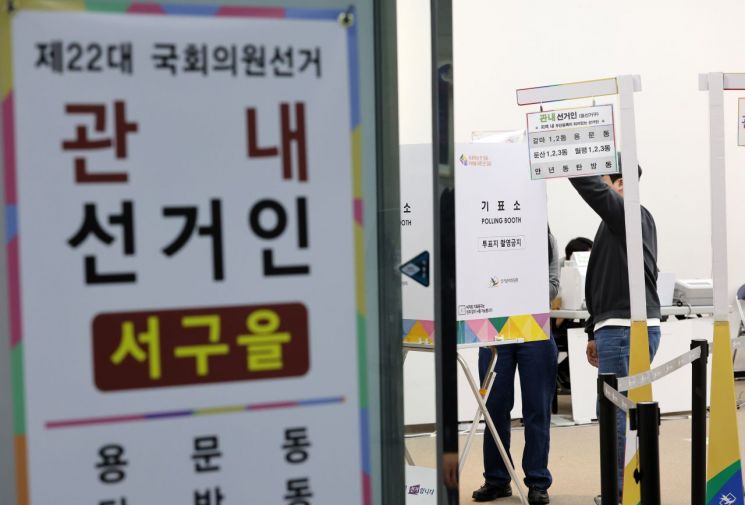
The Commission stated, "While the political freedom of expression of citizens should be maximally guaranteed, if certain items are used inside polling stations beyond their original purpose as tools for political expression, there is a very high risk of influencing the election."
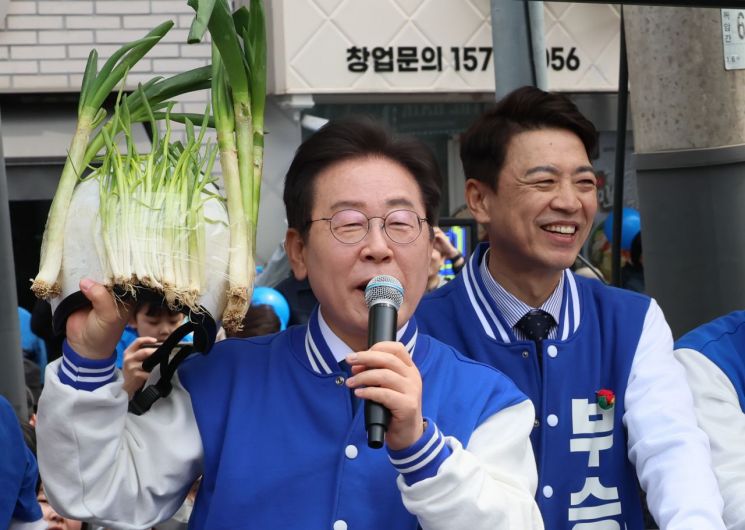
This explanation from the Commission came amid growing controversy as both ruling and opposition parties used internal voter guidance regarding the recent issue of bringing green onions (daepa) into polling stations during election campaigns.
Previously, the Commission prepared internal voter guidance based on the Election Act, concluding that bringing green onions into polling stations as a form of protest against the government should be restricted. Political acts protesting specific parties or candidates at polling stations could psychologically affect other voters and violate the principle of secret voting.
In response to this guidance, Lee Jae-myung, leader of the Democratic Party of Korea, urged for a judgment against the current administration during a campaign rally, saying, "'Kalteulmak,' 'Iptulmak' were not enough, now they are even doing 'Patulmak' (blocking with green onions)." Han Dong-hoon, emergency committee chairman of the People Power Party, countered by targeting Lee, saying, "Would it be acceptable to bring Japanese shampoo to the polling station? The Democratic Party is politically exploiting green onions."
The Commission responded, "It is impossible to know for certain whether the expression is for political intent unless the voter reveals their inner thoughts, and polling station officials cannot verify the purpose of carrying each item."
It added, "The Commission guided voters who intended to bring items that could influence the election to leave those items outside the polling station before entering," and requested, "We ask for the deep understanding and cooperation of the public."
© The Asia Business Daily(www.asiae.co.kr). All rights reserved.
![Clutching a Stolen Dior Bag, Saying "I Hate Being Poor but Real"... The Grotesque Con of a "Human Knockoff" [Slate]](https://cwcontent.asiae.co.kr/asiaresize/183/2026021902243444107_1771435474.jpg)

















