Facebook Post by Jeong Jin-haeng, Former Chair of Seoul National University Medical School Emergency Committee
Emphasizes the Need for a Unified Voice Among Medical School Professors
"My son came home beaten up badly by a delinquent, covered in blood and bruises, but I cannot send only my battered son to the negotiation table. The parents must step up and meet the delinquent’s parents to settle this matter."
This is a post written on the morning of the 6th on social media by Jeong Jin-haeng, advisory committee member of the Seoul National University College of Medicine Emergency Response Committee (former chair of the Seoul National University College of Medicine Emergency Response Committee, professor of pathology at Bundang Seoul National University Hospital).
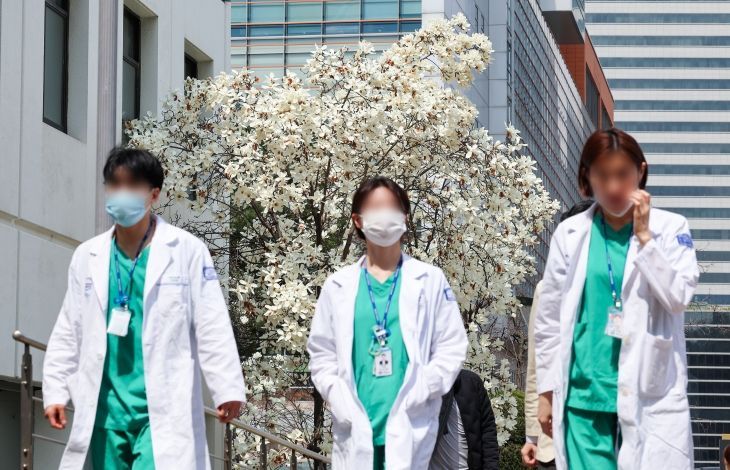 On the 4th, medical staff were seen passing by a magnolia tree in bloom at a large hospital in Seoul, where Park Dan, Emergency Response Committee Chair of the Korean Intern Resident Association, announced in an internal notice that he would meet with President Yoon Seok-yeol today.
 [Photo by Yonhap News]
He said, “Whether they give an F grade or dismiss my child, that is the professor’s job, not something Park Min-su (Vice Minister of Health and Welfare) should comment on,” and emphasized, “Professors, let’s unite and protect our students and residents together. We should not be bound by the format of the Emergency Response Committee of the National Association of Medical School Professors (Jeonui Gyohyeop), but at least the professors’ organizations must unite as a single front.”
Currently, the National Association of Medical School Professors (Jeonui Gyohyeop) and the National Emergency Response Committee of Medical School Professors (National Medical School Professors Emergency Response Committee) are divided, but he argues for unifying communication channels and strengthening solidarity.
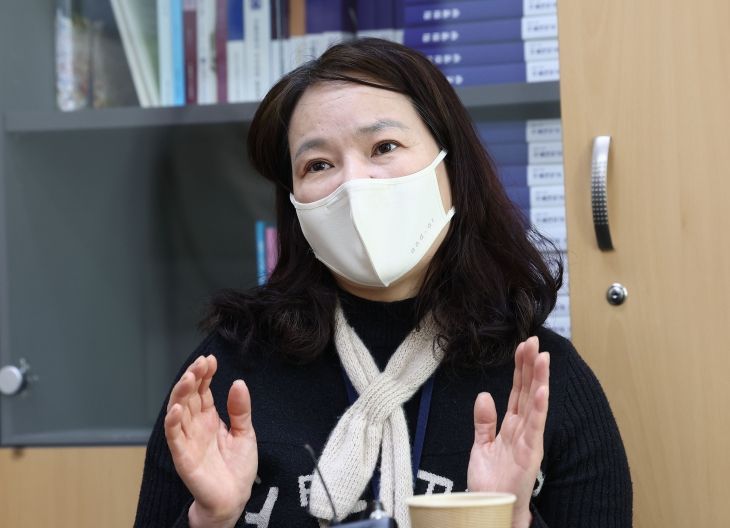 Jung Jin-haeng, Acting Chairman of the Seoul National University College of Medicine Professors' Council, is answering reporters' questions after an emergency meeting with residents on the morning of February 26 at the Seoul National University College of Medicine in Jongno-gu, Seoul.
 [Photo by Yonhap News]
"We Must Empower Residents and Medical Students"
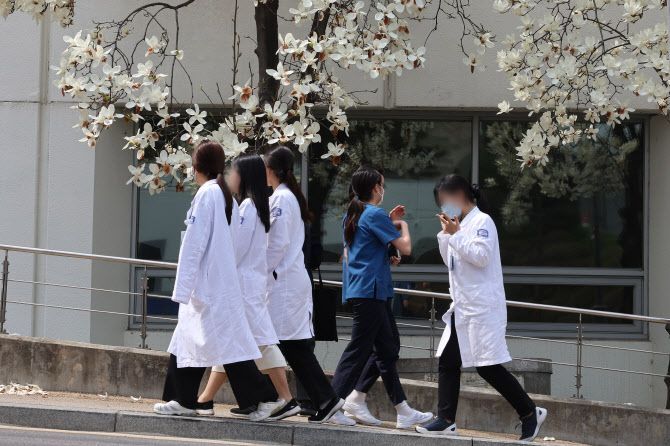 Medical staff are walking past a magnolia tree in bloom at a large hospital in Seoul.
 [Photo by Yonhap News]
Jeong is not alone. Amid the meeting between President Yoon Seok-yeol and Park Dan, chair of the Korean Intern Resident Association (Daehan Jeong-ui Hyeopuihoe, Daejeonhyeop) Emergency Response Committee, which ended with only confirmation of differing positions, voices are emerging calling for senior doctors’ organizations and medical school professors to strengthen their unity and empower residents and medical students.
Huh Dae-seok, emeritus professor of hematology-oncology at Seoul National University College of Medicine, also mentioned the recent meeting between President Yoon and the resident representatives on his social media that day, saying, “In general society, if a son in his twenties is seriously injured in a traffic accident or severely beaten by gangsters and comes home, if the aftermath of the incident is not properly handled, who is appropriate to go out and handle the matter? Usually, a responsible guardian like a parent steps up to meet the other party and complete the process, which is common sense.”
Professor Huh said, “Medical students and residents, who will be greatly affected by future changes in the medical system, are the most actively moving parties in this incident. Residents and medical students are still learners who need education in the medical field,” and criticized, “It is not right for senior doctors to just watch while the victims, the residents or student representatives, are told to meet government representatives and negotiate an exit strategy.”
Professor Huh expressed expectations for the Korean Medical Association (KMA), the only legally recognized medical organization, and medical school professors who educate medical students and residents to play a mediating role.
He said, “This incident should be resolved well not only for the residents and medical students but also for the future of medical care in our country,” and added, “I hope that medical organizations and professors’ groups will speak with one voice to represent the positions of residents and medical students and, if necessary, also prepare compromise proposals and act as mediators.”
Kim Hyun-jip, senior professor of neurosurgery at Bundang Seoul National University Hospital, who represented the position of medical school professors nationwide during the 2000 separation of drug prescribing and dispensing, also stated that the voices of medical school professors must be united.
Meanwhile, the National Emergency Response Committee of Medical School Professors issued a statement after an online general meeting the day before, saying, “Since February 2, about 3,000 interns have been unable to receive training this year, causing a huge blow to the supply of specialists for more than four years,” and warned, “This is the starting point of medical collapse. If the resignation of over 90% of residents, the leave of absence and repeating of medical students, and the collective resignation of medical school professors are not reversed, the future of medical care will face an irreversible catastrophe.”
© The Asia Business Daily(www.asiae.co.kr). All rights reserved.



















