Nam-gu, Gwangju Metropolitan City, announced on the 1st that it will implement the 'Youth Win-Win Elementary Care Service' for the first time this year, where young university students visit the homes of single-parent and dual-income families with elementary school children to provide academic guidance and support for arts and physical activities.
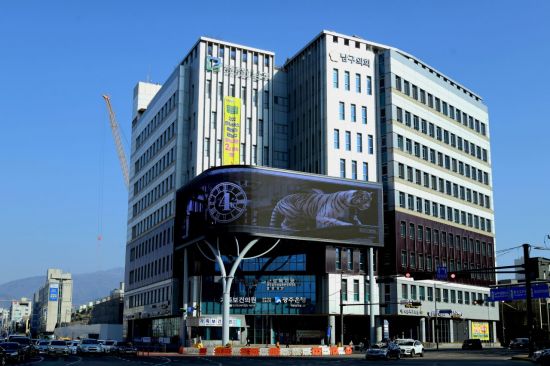
Nam-gu stated on the 1st, "From April to November, we will provide the Youth Win-Win Elementary Care Service to offer young university students opportunities for social participation and capacity building, while alleviating the childcare burden of parents raising elementary school children," adding, "Applications from parents wishing to use the service will be accepted until the 5th."
The Youth Win-Win Elementary Care Service is a project conducted in collaboration with five autonomous districts in the Gwangju area, following the selection of the Gwangju Childcare Comprehensive Support Center in the Ministry of Health and Welfare's '2024 Youth Social Service Project Group' competition.
This year, Nam-gu will invest 68.4 million KRW, including national, city, and district funds, to provide care services such as curriculum review, homework guidance, and arts and physical education programs to elementary school students from single-parent families, dual-income couples, and general households.
The young university students visiting homes belong to the talent pool of the Gwangju Childcare Comprehensive Support Center Youth Social Service Project Group and are currently enrolled in or have graduated from departments such as elementary education, early childhood education, child studies, education, physical education, arts, and social welfare-related fields.
The monthly fee for the elementary care service is 240,000 KRW including the personal contribution, with subsidies ranging from a minimum of 72,000 KRW to a maximum of 228,000 KRW depending on income level.
For example, basic livelihood security recipients and near-poverty groups can use the elementary care service by paying a personal contribution of 12,000 KRW, while households with income below 80% of the median income pay 24,000 KRW.
The number of home visits by young university students depends on the number of participating elementary students, ranging from 8 to 15 times per month, with each care service session lasting 2 hours.
If there is a 1:1 matching between a young university student and an elementary student, visits occur 8 times a month; for 2 or 3 students, visits are 12 and 15 times respectively.
The recruitment target for the elementary care service is 30 students, and application forms can be submitted by visiting the local administrative welfare center by the 5th.
Nam-gu plans to conduct the first round of applications until the 5th and, if the recruitment quota is not filled, will offer service opportunities to parents who applied earlier.
For further inquiries, contact the Welfare Policy Division of Nam-gu Office for detailed information.
© The Asia Business Daily(www.asiae.co.kr). All rights reserved.

















