Continued Offenses Despite Restraining Order
Sentenced to 3 Years and 6 Months in Prison
Despite receiving a court order prohibiting contact, a man in his 50s who stalked his ex-partner by attaching a GPS tracker to her vehicle was sentenced to prison again in the appellate court. Mr. A also secretly damaged the vehicle, forcing the victim to drive in a dangerous condition.
The Criminal Division 1 of the Chuncheon Branch of the Seoul High Court (Presiding Judge Min Ji-hyun) announced on the 31st that it sentenced A (52), who was indicted on charges including serious property damage and violation of the Stalking Punishment Act, to 3 years and 6 months in prison, the same as the original trial, and ordered him to complete 40 hours of a stalking treatment program.
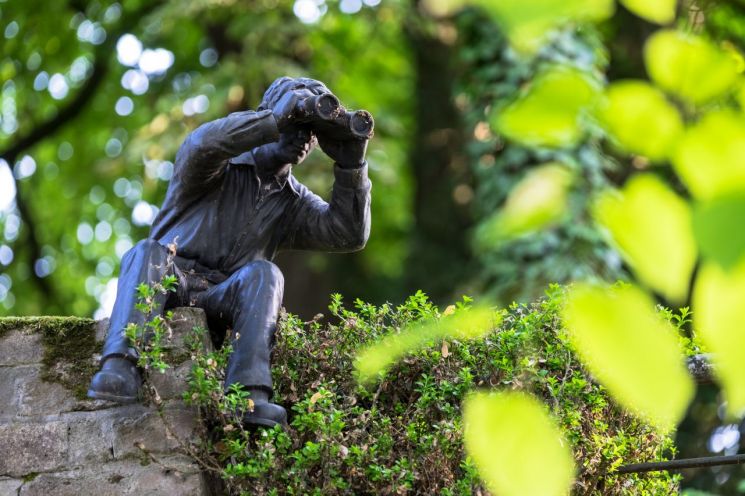
Last April, Mr. A contacted his ex-girlfriend B (58) 11 times, including sending her a music video. He was also prosecuted for repeatedly stalking her by secretly attaching a GPS tracker to her vehicle and approaching her without her knowledge.
Despite receiving court orders prohibiting contact and approach due to frequent stalking offenses, Mr. A did not stop his stalking behavior. In June of last year, he repeatedly stalked B by lurking around her vehicle parked in an outdoor parking lot in Hongcheon, shining a light inside the car, and waiting in places she frequently visited.
He also confronted B on the street, demanding, "Why don't you answer my calls?" and reportedly took away B's phone when she tried to report him, threatening her by raising his hand as if to strike her.
He did not hesitate to engage in actions that could have led to serious accidents. He was charged with puncturing B’s car tires by inserting screws, repeatedly making holes in the brake hose and air conditioner condenser causing oil and gas leaks, and allowing B to drive without knowing about these damages.
The first trial court stated, "The repeated stalking crimes, which have caused public outrage, were committed despite ongoing discussions about strengthening punishment and protecting victims, reflecting the seriousness of the issue. The defendant’s continuous commission of these crimes shows a high degree of blameworthiness," and sentenced him to prison.
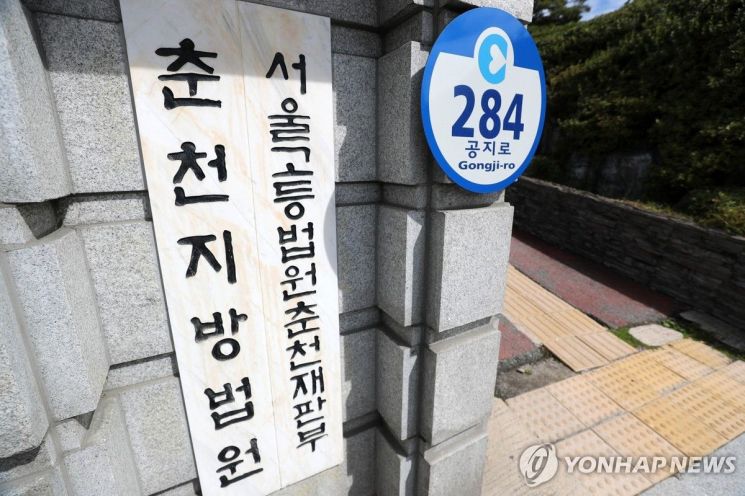
Mr. A claimed that the sentence was too harsh, but the appellate court dismissed the appeal, explaining, "Even considering the fact that 30 million won was deposited after the conclusion of the appellate trial, it is difficult to see any fundamental change in sentencing conditions unless the victim forgives the defendant."
It added, "The victim is suffering from mental distress caused by the crimes themselves and anxiety due to contacts from acquaintances of the defendant seeking leniency. Therefore, the original sentence is not considered excessively harsh or unfair."
Following a series of stalking crimes and growing calls for tougher punishment, the Supreme Court Sentencing Commission established sentencing guidelines for stalking crimes. Starting this July, if a stalking offender is found to possess a weapon, imprisonment will be the default sentence, with a maximum prison term of up to 5 years. Additionally, special aggravating factors can be applied if the victim moves, or suffers serious harm to their daily life, studies, or livelihood after the crime, allowing for enhanced punishment.
The Stalking Punishment Act, which has been in effect since October 2021, stipulates penalties of up to 3 years imprisonment or fines up to 30 million won for violations. Among those prosecuted for stalking crimes and sentenced in the first trial by November last year, only 18.7% received actual prison sentences. This is more than 10 percentage points lower than the overall first trial imprisonment rate of 29.2% in criminal cases. A significant number received suspended sentences, and 28% were fined.
© The Asia Business Daily(www.asiae.co.kr). All rights reserved.


















