Foods Consumed by Pregnant Women Affect Fetal Bone Structure
Skull Shape to Nasal Cartilage Altered
Higher Protein Intake Leads to Thicker Jaw and Nose
A study has revealed that the food consumed by pregnant mothers can affect the formation of the fetal bone structure.
On the 28th, the international academic journal Nature Communications published research findings showing that the shape of a person's skull and even the shape of the nasal cartilage can vary depending on the nutrients consumed during pregnancy.
The research team led by Dr. Meng Zai from the Department of Physiology and Pharmacology at the Karolinska Institute in Sweden provided pregnant mice with different diets and found that changes in the mTORC1 (a protein complex involved in cell proliferation and hormone activation) signaling pathway in the uterus imparted distinct features to the offspring's appearance. This gene can subtly adjust the length and width of the fetal nose, the shape of the cheeks, and the prominence of the jaw. In particular, the study found that higher protein intake during pregnancy increased the tendency for thicker jaw and nasal cartilage.
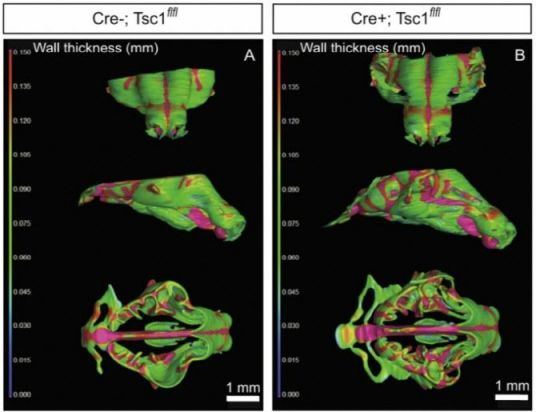 In mouse experiments, it was confirmed that the thickness of nasal cartilage varies depending on the diet of pregnant women.
 [Photo by Nature Communications]
The research team also explained that this experiment suggests why even siblings with the same parental genes can have slightly different faces?these differences arise from such variations.
Meanwhile, research showing that the food consumed by mothers during pregnancy can affect the fetus has been published for a long time. The most extensively studied topic is related to alcohol consumption. Drinking during pregnancy can cause miscarriage, stillbirth, premature birth, sudden infant death syndrome, and Fetal Alcohol Spectrum Disorder (FASD). FASD refers to physical and mental abnormalities in babies born due to alcohol consumption during pregnancy. A representative characteristic of children with FASD is facial deformities, showing different shapes of the eyes, nose, and mouth compared to normal children, so pregnant women need to be especially cautious about their food intake.
■ Misconceptions and Truths About Foods to Avoid During Pregnancy
- Excessive caffeine intake increases the risk of miscarriage in early pregnancy
- The recommended daily caffeine intake for pregnant women is below 200 mg
- One cup of coffee per day is considered safe
- Be cautious of other caffeine-containing foods (cola, black tea, green tea, chocolate)
2. Raw Fish
- The prohibition of raw fish consumption during pregnancy is due to potential food poisoning and parasite infection risks
- Consuming raw fish when fresh generally poses no problem
- Deep-sea fish like tuna and mackerel, which are top predators, contain high levels of heavy metals, so excessive consumption should be avoided
3. Snacks, Sugary Foods, Instant Foods
- Consuming high-calorie foods can lead to fetal obesity
- Excessive calorie intake causing overweight in the mother can also increase the size of the fetus
- This can cause difficult labor and, in some cases, lead to childhood obesity after birth
- It is advisable to limit snacks, sugary foods, and greasy instant foods as much as possible
4. Flour-based Foods and Atopy
- Eating flour-based foods during pregnancy does not cause atopy in the child
- In fact, reports indicate that atopic fetuses were more common among mothers who restricted their diet
- The best approach for the fetus is to eat a balanced and tasty diet with necessary nutrients
- However, excessive carbohydrate intake can cause gestational diabetes, so caution is needed
※ Alcohol and drug use can have fatal effects on the fetus, so consume with great care
© The Asia Business Daily(www.asiae.co.kr). All rights reserved.


















