Leap Forward as a Model Case for Operating Public Nursing Hospitals
Geochang County Senior Nursing Hospital in Gyeongnam has reached 110 inpatients.
Geochang County in Gyeongnam switched to a direct management system on May 12 last year and has been making every effort with the goal of "normalizing operations."
As a result, the number of inpatients reached the 80s in July last year, the 90s in September, and 100 in November, and has been continuously maintained. As of March, the number of inpatients has exceeded 110. Compared to the beginning of direct management, ▲ the number of inpatients increased from 67 to 110, an increase of 43 ▲ the bed occupancy rate rose significantly from 53% to 87%, an increase of 34%.
The county set 11 detailed items in four areas at the start of direct management (▲ organization and personnel budget ▲ facilities ▲ promotion for patient attraction ▲ others) and has continuously operated to normalize the hospital.
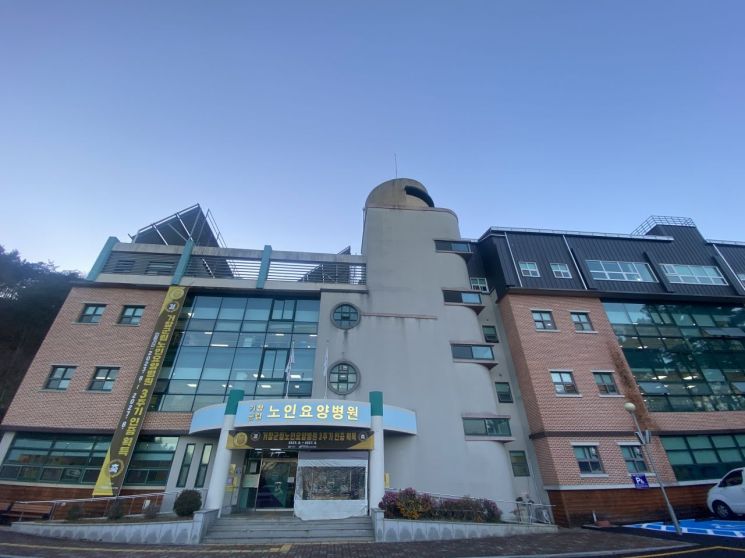
In particular, the public medical affairs department of the health center took overall charge, and three staff members stayed in the hospital to inspect and review the overall hospital operation, identifying problems and unnecessary expenses in hospital management and striving to resolve operating deficits.
Bold investments were made to improve hospital medical services and image, including repairing 13 aging facilities, replacing 100 pieces of equipment, and hiring 22 necessary personnel. Taking advantage of direct management, differentiated medical services were provided such as patient care, customized medical services, specialized programs for dementia patients, and conducting surveys for inpatients’ guardians.
Moreover, on March 1, urologist Dr. Sim Hongban joined, improving the quality of medical personnel. Additionally, the nursing ward nurse station was remodeled, old kitchen equipment was replaced, a dementia-customized program room (“Snoezelen Room”) was newly established in Ward 4, and the hospital parking lot was paved with asphalt, creating an environment for providing patient-customized medical services as a public nursing hospital.
Based on this, in October last year, the nursing hospital proudly received “certification” in the medical institution accreditation evaluation, which is mandatory every four years for nursing hospitals. The accreditation evaluation consists of 268 evaluation items across 3 areas, 11 chapters, and 55 standards. By passing this certification, the county senior nursing hospital was able to prevent losses such as non-payment of claim surcharges (about 240 million KRW) for six months and also enhanced the trustworthiness of the public nursing hospital.
In addition, various differentiated services unique to public nursing hospitals were provided, such as operating linked programs with the health center’s dementia relief center and rehabilitation treatment room for inpatients, customized walking programs for patients, self-help programs for dementia patients’ guardians, volunteer hairdressing activities linked with the local volunteer center, and talent donation pungmulnori performances by inpatients’ guardians, improving satisfaction among patients and guardians.
County Governor Goo In-mo said, “At the start of the direct management system, I said ‘a crisis is another opportunity.’ Turning the crisis into an opportunity, we have now entered a stable phase beyond normalizing operations. This is the result of the continuous efforts of hospital staff, health center officials, and all county residents,” and added, “I am grateful that we can repay the kind support of everyone with good results.”
Meanwhile, amid the development of home welfare services and the difficulties in nursing hospital operations due to the COVID-19 pandemic, many public hospitals in all local governments were declining as contractors gave up their contracts. However, the county demonstrated excellence in health administration by stabilizing and normalizing operations through direct management of the public nursing hospital, and it is expected to become a model case for public nursing hospitals nationwide in the future.
© The Asia Business Daily(www.asiae.co.kr). All rights reserved.

















