Tattoo as a Form of Self-Expression
Netizens Divided Over the 'No Tattoo Zone' Debate
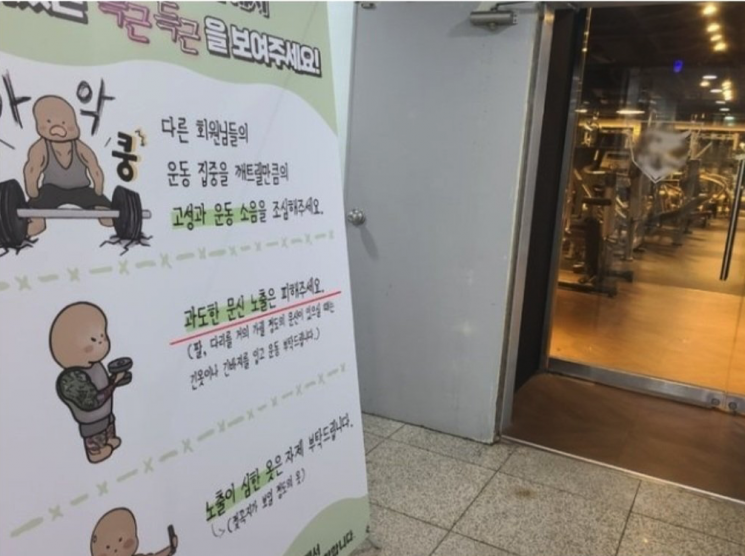
As 'No Tattoo Zones' that restrict entry to those with tattoos have recently been spreading, a heated debate is taking place among netizens. On the 26th, photos of 'No Tattoo Zones' limiting the exposure of people with excessive tattoos in places such as bathhouses, gyms, swimming pools, and hotels have been posted on social networking services (SNS).
'No Tattoo Zones' refer to places that restrict entry to individuals with tattoos on their bodies. The main reason for implementing No Tattoo Zones is that tattoos can cause a sense of threat to other customers. Opinions among netizens are sharply divided on this issue. In one online community, positive views were expressed, saying, "Originally, places like bathhouses have always prohibited entry to those with tattoos."
There are also many opposing opinions. Responses such as "Nowadays, no one criticizes tattoos," "Tattoos are just part of fashion," and "Are we not allowed to enter if we cover them up?" are pouring in. Recently, with tattoos becoming popular especially among celebrities, tattoos, which were once regarded as symbols of delinquency, have now become a way for people in their 20s and 30s to express their individuality. It is particularly trendy to incorporate personal meanings through favorite images or photos of pets. Several celebrities such as Taeyeon, Dex, and Han So-hee have also revealed their tattoos.
A self-employed gym owner who established a 'No Tattoo Rule' said, "We recommend limiting the exposure of excessive tattoos because they create a sense of threat to other customers." However, he clarified that the rule does not completely ban tattooed individuals from entering but requires them to wear long clothing that can cover their tattoos.
There are 350,000 tattoo practitioners nationwide, with 13 million users
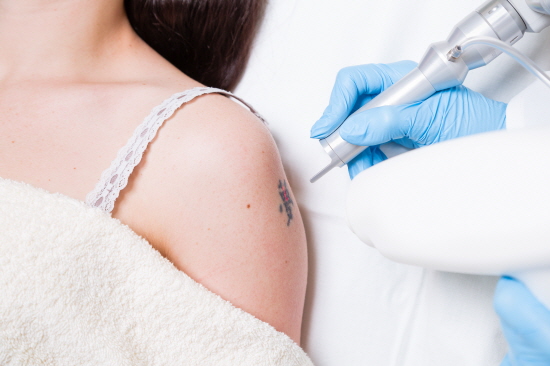 A "No Tattoo Zone" refers to a place that restricts entry to individuals with tattoos. The main reason for implementing No Tattoo Zones is that tattoos can cause a sense of threat to other customers. Opinions among netizens are sharply divided on this issue.
 [Photo by Getty Images Bank]
According to data submitted by the Ministry of Health and Welfare to the National Assembly Legislative Research Office in October 2021, there are 350,000 tattoo practitioners nationwide and 13 million users. Since tattooing by non-medical personnel is illegal, it is difficult to produce accurate statistics, but it is true that tattoos are becoming more mainstream.
However, due to a Supreme Court ruling in 1992, only medical professionals are allowed to perform tattooing. Yet, since there are practically very few doctors who perform tattoos and this situation encourages the underground tattoo industry, there have been calls to revise the law. More than ten legislative bills allowing tattooing by non-medical personnel have been proposed, but none have passed the National Assembly.
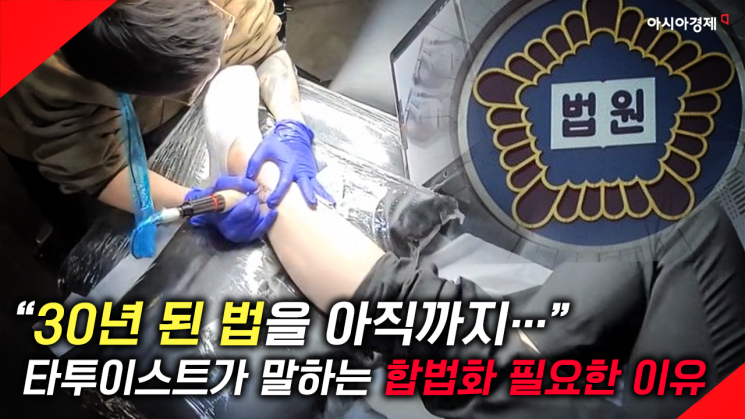 Since the 1992 Supreme Court ruling, only medical professionals are allowed to perform tattoos. However, there have been ongoing calls to amend the law due to the fact that very few doctors actually perform tattoos and the law encourages the tattoo industry to operate underground. More than 10 bills to allow non-medical personnel to perform tattoos have been proposed, but none have passed through the National Assembly.
 [Photo by Asia Economy]
However, the government is showing signs of opening tattooing to non-medical personnel by commissioning a study on the "Development and Management Plan for Tattoo Artist Qualification Exams and Continuing Education Systems" on the 4th to legalize tattoos. The plan is to produce a final research report by November and use it to establish detailed regulations related to the national tattoo artist exam and policies on tattoo artist hygiene and safety education.
© The Asia Business Daily(www.asiae.co.kr). All rights reserved.
![Clutching a Stolen Dior Bag, Saying "I Hate Being Poor but Real"... The Grotesque Con of a "Human Knockoff" [Slate]](https://cwcontent.asiae.co.kr/asiaresize/183/2026021902243444107_1771435474.jpg)

















