Making People Excessively Interested in Money and Fame
"Only Headlines Saying the World Is Falling Apart Are Seen"
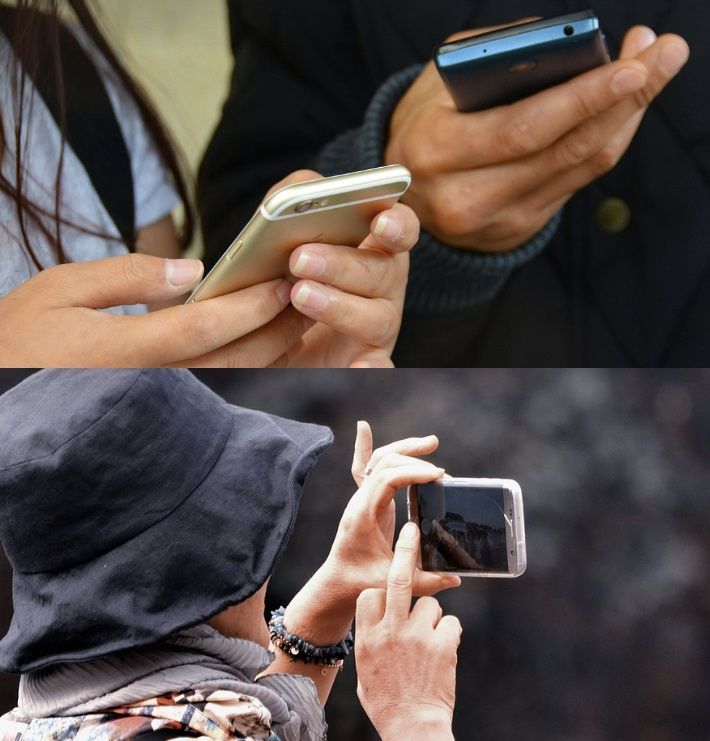
In several developed countries, the happiness level of young people has been reported to be lower than that of the elderly, with social networking service (SNS) addiction being pointed out as the cause, drawing attention.
The British daily newspaper The Guardian referred to the happiness report released on the 20th (local time) by the Sustainable Development Solutions Network, an advisory body under the United Nations (UN), stating that the happiness level of young people was lower than that of the elderly. The media warned, "The low happiness level of young people is a warning sign that young people are struggling in the US and globally due to SNS."
According to the report, as the happiness level of those under 30 declined, the US fell out of the top 20 in the ranking of the "happiest countries." The happiness gap between young and elderly generations is extreme.
Looking only at the elderly, the US ranks 8th among the happiest countries in the world, but the young generation falls to 62nd. Canada shows a similar situation. The generational gap between the young (58th) and the elderly (8th) is significant.
Vivek Murthy, the US Surgeon General, pointed out that this trend is seen in other developed countries as well. He said, "The proportion of young people happier than the elderly was higher, but the situation in the US began to change around 2017," adding, "Now this change is appearing globally, and the same change will appear in Western Europe within 1 or 2 years."
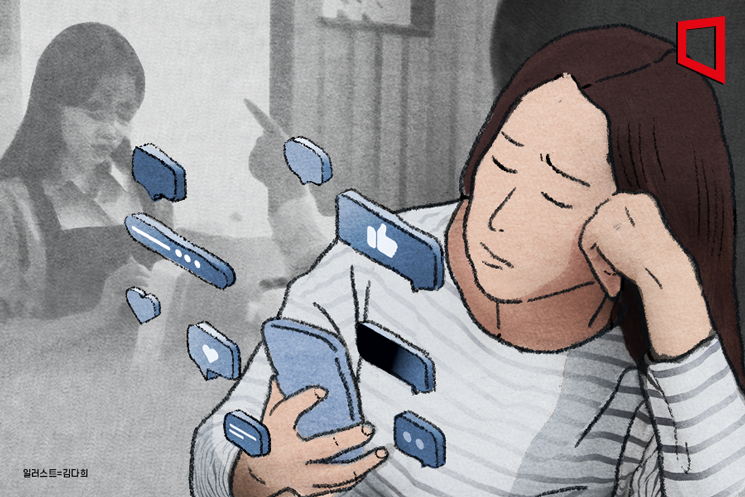
Murthy cited SNS as the reason for the unhappiness of young people. American teenagers spend about 5 hours a day on SNS on average. Murthy warned, "Allowing the use of SNS is no different from giving unsafe drugs to children," and "Currently, teenagers are suffering as much as a 'midlife crisis'." He pointed out that SNS causes young people to show excessive interest in money, fame, and so on. Also, features that encourage users to 'like' or comment on posts may lower users' self-esteem.
Posts that are excessively provocative or induce fear are also problematic. Murthy expressed concern, saying, "Because of SNS, teenagers constantly see headlines saying the world is broken and the future is bleak."
© The Asia Business Daily(www.asiae.co.kr). All rights reserved.


















