Last year, two out of three poisoning patients who visited emergency rooms were exposed to intentional poisoning for purposes such as suicide. In particular, women and people in their 20s were the most affected.
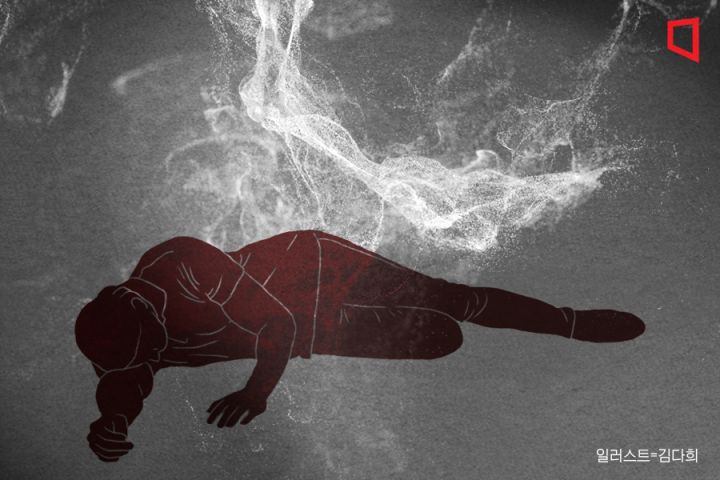
On the 17th, the Korea Disease Control and Prevention Agency conducted an in-depth investigation of 7,766 poisoning patients who visited 15 emergency medical institutions in 14 cities and provinces nationwide last year. The results showed that women accounted for 55.4%, more than men (44.6%).
By age group, people in their 20s were the most common at 18.0%, followed by those aged 70 and above (15.1%), 50s (14.5%), 40s (13.6%), 60s (12.8%), 30s (11.6%), teens (10.9%), and under 10 years old (3.4%).
The reason for poisoning was intentional poisoning for purposes such as suicide, accounting for 66.1% of the total, or two-thirds. Except for those aged 70 and above, intentional poisoning was more common among women than men across all age groups, with people in their 20s being the most affected by age. Cases of unintentional poisoning due to accidents were more common among men in their 50s and 60s.
The substances causing poisoning were treatment drugs such as 'antipyretics,' accounting for 50.8%, or half of the cases. This was followed by gases (13.6%), natural toxic substances (12.4%), artificial toxic substances (12.2%), and pesticides (10.0%).
In particular, among teenagers, poisoning caused by treatment drugs accounted for 80.5%. The treatment drugs that teenagers were poisoned by were mostly 'pain relievers, antipyretics, and anti-rheumatics containing acetaminophen' at 20.6%, followed by 'benzodiazepines' at 19.6%. Among children under 10 and infants, 31.1% of poisonings were due to accidental exposure to cosmetics, bleach, and the like.
Among all survey subjects, 49.5% were classified as severe poisoning patients. The main substances causing severe poisoning included benzodiazepines, carbon monoxide, zolpidem, and glyphosate (pesticides).
Additionally, 1.6% of the surveyed patients died due to poisoning. Among the deceased, pesticides (66.4%) were the most common substances involved. The Disease Control and Prevention Agency advised, "Elderly people should be careful when handling and storing pesticides, young and middle-aged men should be cautious about carbon monoxide exposure at work, and adolescents need to learn the safe use of treatment drugs."
© The Asia Business Daily(www.asiae.co.kr). All rights reserved.
![Clutching a Stolen Dior Bag, Saying "I Hate Being Poor but Real"... The Grotesque Con of a "Human Knockoff" [Slate]](https://cwcontent.asiae.co.kr/asiaresize/183/2026021902243444107_1771435474.jpg)
















