Respiratory Viruses and Influenza, Surveillance of 9 Acute Virus Types
Clinical Medical Institutions Increase from 4 to 6, Monitoring Strengthened
The Busan Health and Environment Research Institute will expand its surveillance project for respiratory viruses and influenza this year.
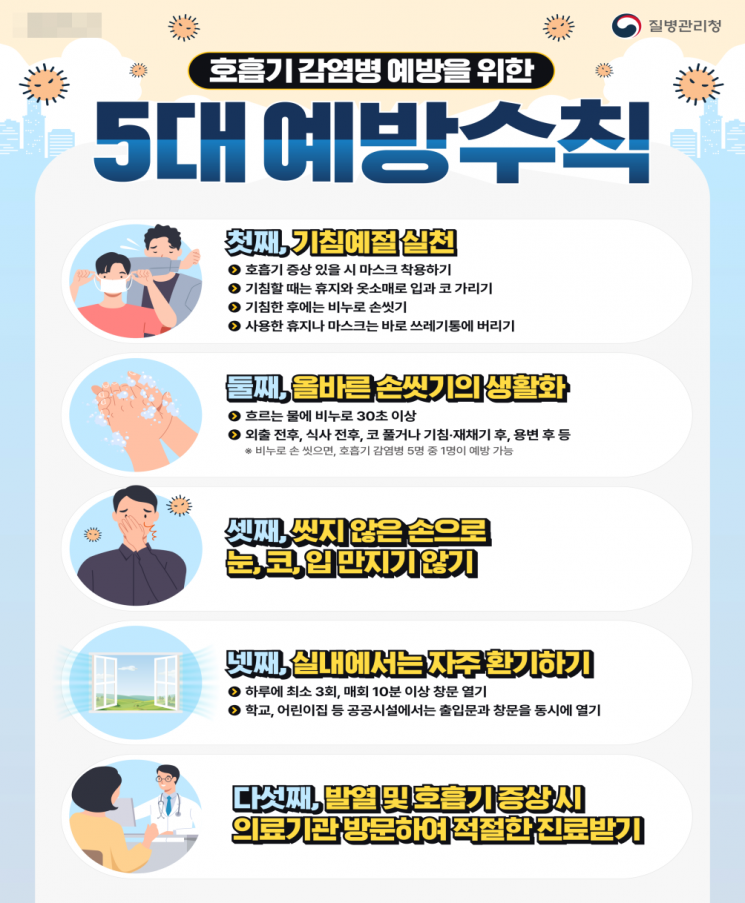
The institute has been conducting annual surveillance projects to proactively respond to the trends of respiratory viruses and influenza outbreaks. Since the second half of 2022, COVID-19 has been added to the surveillance items, targeting a total of nine types of viruses to identify viral pathogens causing acute respiratory diseases.
In particular, this year, the number of participating medical institutions among clinical specimen surveillance agencies for respiratory viruses and influenza will be expanded from the existing four to six institutions, aiming to strengthen monitoring of the scale of community outbreaks, the degree of epidemic, and local transmission.
In South Korea, influenza typically spreads between November and April, but during the COVID-19 pandemic period (2020?2022), there was no influenza outbreak. Last year, unusually, the outbreak continued even during the summer, showing a pattern of year-round spread without lifting the epidemic alert, making it necessary to carefully monitor the community outbreak situation.
Additionally, as COVID-19 cluster infections have occurred in vulnerable facilities, active cooperation is important to prevent and suppress infectious diseases among high-risk groups such as inpatients and residents in these vulnerable facilities.
Specimen surveys are conducted once a week, and surveillance results can be checked in the weekly specimen surveillance newsletter published by the Korea Disease Control and Prevention Agency and on the institute’s website under infectious disease information.
Jeong Seung-yoon, director of the Busan Health and Environment Research Institute, stated, “Due to long-term COVID-19 quarantine measures, immunity against other respiratory infectious diseases has weakened, making adherence to personal hygiene rules important.” He added, “Especially influenza is spreading year-round, and in December last year, it reached the highest level compared to the past five years, so we cannot afford to relax vigilance against the spread of the epidemic. We ask for active cooperation in preventing and suppressing respiratory infectious diseases in group living facilities such as schools and other educational institutions.”
© The Asia Business Daily(www.asiae.co.kr). All rights reserved.

















