MFDS Identifies 622 Cases of Exaggerated Advertising Related to Hair Loss
No Domestically Approved Products for Hair Loss Prevention or Treatment
With the domestic population suffering from hair loss estimated at 10 million, numerous companies have been caught illegally selling pharmaceuticals and engaging in false, exaggerated, and unfair advertising by claiming hair loss prevention and treatment effects.
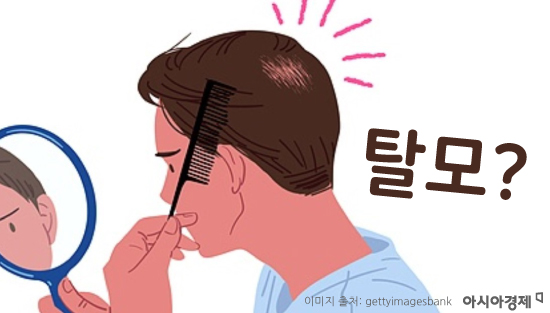
On the 14th, the Ministry of Food and Drug Safety (MFDS) announced that last month it inspected advertisements related to hair loss products on online shopping malls, social networking services (SNS), blogs, and secondhand markets, and detected 622 cases of illegal pharmaceutical sales and false, exaggerated, and unfair advertising. The MFDS has blocked access to the detected posts and requested administrative sanctions from the relevant authorities for companies that repeatedly violated regulations.
The detected cases were broadly categorized into four types: food, pharmaceuticals, cosmetics, and medical devices. For food products, 144 cases involved advertisements claiming treatment effects such as "hair loss prevention," "good for hair loss," or "hair loss medicine," and 2 cases involved advertisements that caused confusion by making people mistake them for oral hair loss medicines or pharmaceuticals. For pharmaceuticals, 296 cases involved illegal sales or mediation of hair loss treatment drugs, and 4 cases involved personal transactions of pharmaceuticals outside pharmacies (such as secondhand trading). For cosmetics, 96 cases involved misleading advertisements that exaggerated the efficacy beyond cosmetics, such as "hair loss treatment" or "hair growth," causing confusion with pharmaceuticals. For medical devices, 73 cases involved illegal overseas purchasing agency services, and 7 cases involved advertising general products as medical devices.
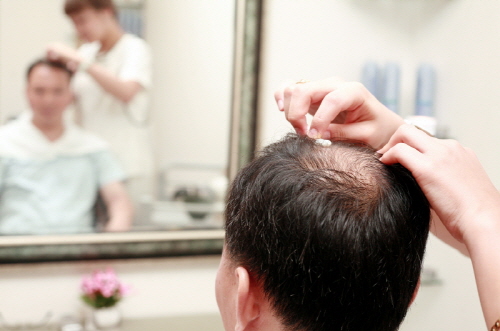 Photo by Asia Economy DB
The MFDS stated, "There are no food or health functional food products sold domestically that have been recognized for efficacy or effects in preventing or treating hair loss," and urged, "Consumers should not be deceived by advertisements claiming unverified prevention or treatment effects related to hair loss." Furthermore, since illegally distributed medical products online carry risks of side effects, consumers should receive diagnosis and prescriptions from pharmacies or hospitals, and even if prescribed, they need to verify whether the product is approved by the MFDS.
The MFDS added, "We will continue to provide guidance on precautions consumers should take to prevent harm," and "We plan to strengthen monitoring of false, exaggerated, and unfair advertising posts online."
Meanwhile, the National Health Insurance Service estimated that the domestic hair loss population could reach 10 million. In particular, the number of young hair loss patients is increasing, and the Health Insurance Review and Assessment Service reported that among 160,000 patients with alopecia areata in 2016, 70,000 were in their 20s and 30s, accounting for nearly half of the total.
© The Asia Business Daily(www.asiae.co.kr). All rights reserved.
![Clutching a Stolen Dior Bag, Saying "I Hate Being Poor but Real"... The Grotesque Con of a "Human Knockoff" [Slate]](https://cwcontent.asiae.co.kr/asiaresize/183/2026021902243444107_1771435474.jpg)











