Spread of High Power Consumption Data Centers and Clean Technology Factories
Some Big Tech Companies Consider Self-Generation of Electricity Plans
As companies rush to build clean technology factories and data centers amid the United States' green energy policies and the growth of the artificial intelligence (AI) industry, signs of power shortages are emerging across the country.
The Washington Post (WP) reported on the 7th (local time) that industrial power demand in Georgia has surged to an all-time high, and new power usage over the next decade is expected to reach 17 times the recent levels. Additionally, states such as Kansas, Nebraska, Wisconsin, and South Carolina are delaying the closure of coal-fired power plants to cope with the surge in electricity consumption, while northern Virginia and Texas are also considering measures to address the power shortage.
One of the main causes of this rapid increase in power demand is the growth of the AI industry. According to the International Energy Agency, in 2022, 2,700 data centers in the U.S. consumed more than 4% of the country's total electricity. This is expected to rise to 6% by 2026. WP explained that the AI industry, which big tech companies focusing on cloud computing are paying attention to, consumes much more power than traditional data centers. In the past, companies prioritized internet infrastructure, abundant technical workforce, and government subsidies when selecting business sites, but now a stable power supply has become the top priority.
The Biden administration's green energy subsidy policies have also contributed to the surge in power demand. In just the first two years of Biden's term, over 150 companies announced plans to establish or expand solar panel and electric vehicle battery factories in the U.S. Especially in Georgia, where companies were promised affordable and stable power supply, the unexpected increase in power demand has led to calls for halting subsidies for attracting data centers.
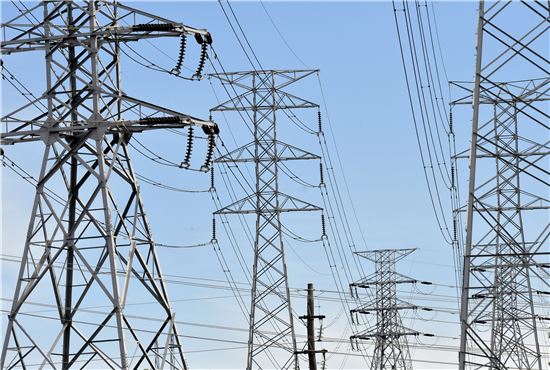
Even when sufficient power is secured, connecting factories to the power grid is not easy. There are conflicts among state governments over the location of transmission line installations, who bears the cost, and environmental protection issues. WP reported, "While the U.S. installed about 4,000 miles of transmission lines in 2013, now even installing 1,000 miles per year is a struggle."
As a result, some companies are turning to self-generation of power. Microsoft (MS) and Google are considering installing small nuclear power plants to supply electricity around their data centers and factories. MS has also signed power purchase agreements with companies developing clean nuclear fusion energy. However, WP assessed that both small nuclear power plants and nuclear fusion power have not yet been fully realized technologically.
© The Asia Business Daily(www.asiae.co.kr). All rights reserved.
![User Who Sold Erroneously Deposited Bitcoins to Repay Debt and Fund Entertainment... What Did the Supreme Court Decide in 2021? [Legal Issue Check]](https://cwcontent.asiae.co.kr/asiaresize/183/2026020910431234020_1770601391.png)














