Office worker Mr. A participated in a marathon held in Miryang at the end of February. Despite the rather chilly weather, seeing over ten thousand participants challenge themselves made it clear that the number of people enjoying running has increased.
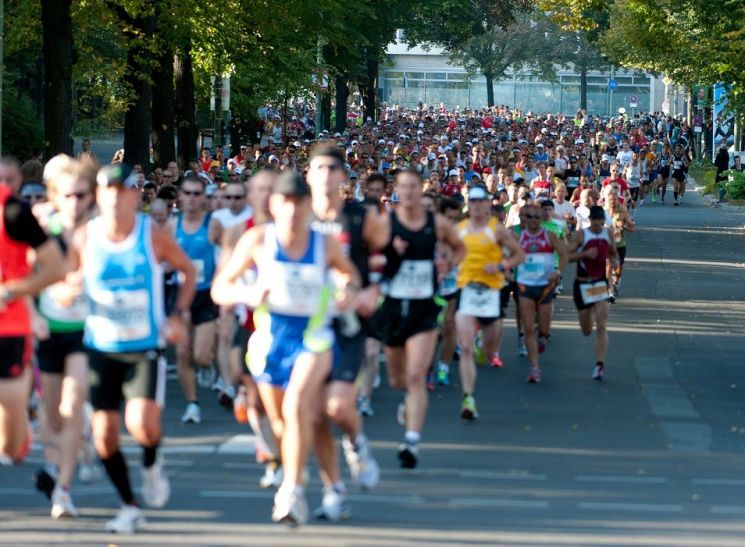
When COVID-19 became widespread, Mr. A sought outdoor exercises instead of going to the indoor health club he usually attended. He happened to join a local running group (running crew) and started running. Having found joy in running, Mr. A began participating in marathon events last year and was practicing daily after work to challenge the full marathon course (42.195 km) this spring.
However, last weekend, while practicing running longer distances at a faster pace than usual to complete the marathon, he started experiencing knee pain. A few days ago, the pain occurred even during daily activities such as climbing stairs or moving his knee, prompting him to visit a nearby orthopedic clinic. Mr. A was diagnosed with patellofemoral pain syndrome caused by running-related injury.
Last year, comedian Kian84, who challenged the full marathon course through a variety show, also revealed in an interview that his knee health worsened after completing the race, which became a hot topic.
Regular running improves cardiopulmonary function and reduces body fat, triglycerides, and insulin requirements, thereby lowering the incidence of diseases such as hypertension, obesity, and various cancers. However, excessive running can negatively affect the musculoskeletal system.
Running involves a continuous process of jumping, landing, and jumping again, where the impact transmitted to the lower limbs during landing is about 3 to 4 times the body weight, placing significant stress on the foot, lower limb joints, especially the knee joint.
Cases like Mr. A’s, where treatment is required due to running injuries, are often caused by training errors such as sudden increases in distance or speed. Other external factors include running on hard or uneven surfaces, incorrect form, and issues with footwear.
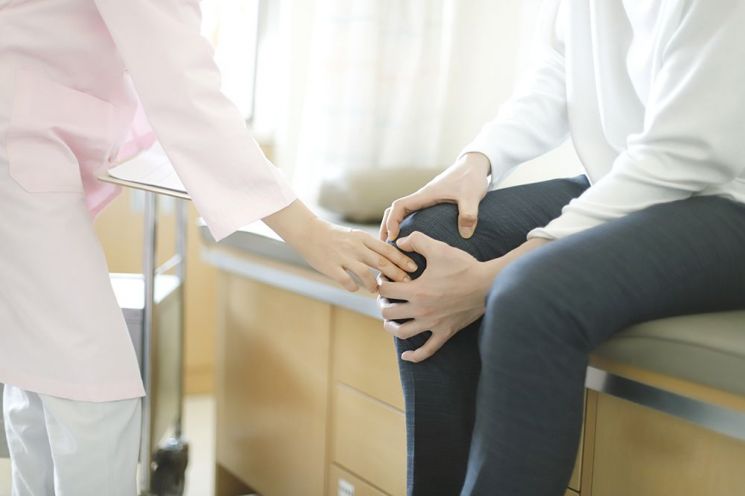
The most common condition is patellofemoral pain syndrome, also known as Runner's Knee. It occurs due to flexion and compression between the patella and femur in the knee joint. Initially, pain is not felt while running but appears after running. Symptoms worsen when bending the knee to climb stairs or hills, with pain occurring at the front of the knee.
Dr. Youngjun Kim, head of the Joint Center at Daedong Hospital (orthopedic specialist), said, “Running, a representative aerobic exercise, is easily accessible, so people tend not to consider injuries seriously. However, all exercises require warm-up and recovery time, and exercise intensity should be set according to one’s fitness level.” He advised, “If the joints feel strained after exercise, it is best to rest, and if the pain does not improve, visit a nearby orthopedic clinic for diagnosis.”
Diagnosis of knee joint diseases involves physical examination and imaging tests such as X-rays and CT scans to assess knee stability, leg alignment, range of motion, and tension, along with consultation with a specialist. Depending on the diagnosis, treatments such as medication, the RICE method, rehabilitation therapy, and taping therapy are applied.
The RICE method is an emergency treatment applicable to sudden injuries or damage during running. It involves Rest to minimize movement of the injured area, Ice to relieve pain, Compression to reduce swelling, and Elevation to raise the injured area if bleeding or swelling occurs. This method can be applied to various joint areas.
Patellofemoral pain syndrome usually does not require surgery, but in rare cases, surgery may be performed if complications such as cartilage damage or other joint diseases that do not respond to physical therapy or medication are present.
To prevent running injuries during the upcoming marathon season, it is advisable to set exercise volume?distance, frequency, and intensity?considering one’s fitness level and to exercise according to one’s condition. Also, sufficient warm-up before exercise and time for relaxation and recovery afterward are essential.
Beginners tend to land on the front part of the foot first, which places stress on the joints, so they should consciously correct their running posture. Running on moderately soft surfaces is recommended, and since shoes protect our bodies from various impacts, wearing running shoes rather than general shoes and replacing them at appropriate times is important.
© The Asia Business Daily(www.asiae.co.kr). All rights reserved.


















