Following the recent confirmation of a 5-year prison sentence for the perpetrator of the so-called 'Gangnam School Zone Fatal Accident,' calls are growing to reform the current criminal deposit system. This is due to repeated cases where perpetrators of various criminal cases unilaterally pay deposits without the victim's consent to reduce their sentences. Although multiple bills aimed at banning such abuses of the criminal deposit system, known as 'surprise deposits,' have been submitted to the National Assembly, they have been dormant for months.
According to the National Assembly Legislative Information System on the 5th, a total of four bills to amend the Deposit Act, submitted between September and December last year, are currently pending in the National Assembly. The amendment bill, primarily proposed by Hwang Unha of the Democratic Party of Korea, includes a provision requiring that when the court or prosecution is notified of a criminal deposit, the depositor or their legal representative must be informed within '7 days.' The key point is that if the depositor does not wish to accept the deposit, they can submit a consent withdrawal form to prevent unwanted deposits from being used favorably in the defendant's sentencing. Lawmakers Lee Tanhee and Yoon Youngchan of the same party have also each introduced similar amendment bills with the same intent.
Democratic Party lawmaker Seol Hoon has also introduced an amendment bill that establishes a provision limiting the criminal deposit period to '14 days before the conclusion date of the relevant criminal case's trial.' This aims to prevent cases where defendants in various sex crime cases, instead of making efforts to reach an agreement with the victim, make surprise deposits timed with the trial conclusion date to receive favorable sentencing.
However, all these amendment bills are facing sluggish review in the standing committee. With the 22nd National Assembly general election scheduled for next month, legislative reviews in the National Assembly are effectively at a standstill. Although notification of criminal deposits to the depositor is stipulated in both the Supreme Court and the Supreme Prosecutors' Office regulations, it lacks legal binding force. If the bills are not processed by the last day of the 21st National Assembly's term (May 29), they will be discarded as is.
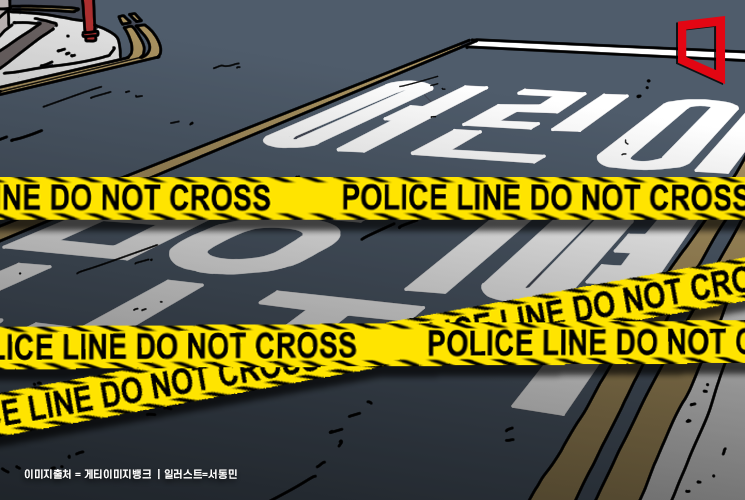
Meanwhile, as the National Assembly delays processing these bills, cases of sentencing abuses exploiting the criminal deposit system continue to occur. The perpetrator of the 'Gangnam School Zone Fatal Accident,' who struck and killed a 9-year-old child while driving under the influence in broad daylight, was initially sentenced to 7 years in the first trial. However, during the trial process, the defendant paid a total deposit of 500 million won, resulting in a reduced sentence of 5 years in the second trial, which was recently confirmed by the Supreme Court. This was a unilateral deposit made without the consent of the bereaved family. The victim child's father expressed his outrage, saying, "The perpetrator's surprise deposit was considered a mitigating factor in the second trial, but that only represented the perpetrator's financial self-interest," and added, "The system needs to be reformed to alleviate the victim's suffering."
© The Asia Business Daily(www.asiae.co.kr). All rights reserved.

![Clutching a Stolen Dior Bag, Saying "I Hate Being Poor but Real"... The Grotesque Con of a "Human Knockoff" [Slate]](https://cwcontent.asiae.co.kr/asiaresize/183/2026021902243444107_1771435474.jpg)














