14%↑ Record First Since 2019
Electric Vehicle Demand Slows... Hybrid Cars in Spotlight
In January, the monthly market share of Japanese cars in South Korea reached 15%. This is the highest share since the 'No Japan' boycott movement against Japanese products, which originated from Japan's unilateral export restrictions in 2019.
According to the Korea Automobile Importers & Distributors Association (KAIDA) and Kaizu Data Research Institute on the 2nd, among the 13,083 imported cars sold in January, Japanese brands (Toyota, Lexus, Honda) accounted for 1,961 units, showing a 14.98% market share.
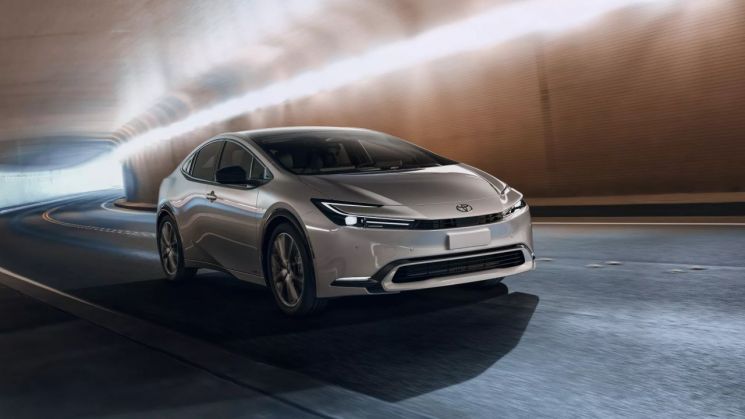
This is the first time in 4 years and 9 months since June 2019 (20.35%) that Japanese cars have recorded a market share above 14% on a monthly basis.
Japanese brands consistently held over 20% market share domestically until the first half of 2019, but the boycott of Japanese products that began in July 2019 caused the share to drop to single digits.
The annual market share of Japanese cars decreased from 14.98% in 2019 to 7.48% in 2020, then remained at 7.44% in 2021 and 5.99% in 2022. This trend began to rebound last year, recovering to double digits at 10.17% in February, but then stabilized at around 7-9%. The annual market share of Japanese cars last year was 8.64%.
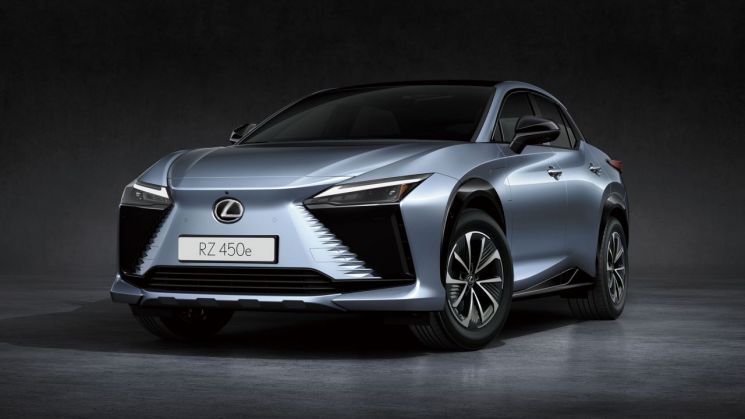
The increase in the market share of Japanese cars is largely attributed to the recent popularity of hybrid vehicles. Japanese automakers are focusing on hybrid cars amid the transition to electrification.
With demand for electric vehicles slowing down, hybrid cars, which are positioned between internal combustion engine vehicles and electric vehicles, are gaining attention.
If the trend seen in January continues, the annual market share of Japanese car brands is expected to reach double digits for the first time in five years.
By brand, in January, Lexus sold a total of 998 units, ranking third among all imported car brands after BMW and Mercedes-Benz.
Toyota ranked fifth with 786 units, and Honda ranked 13th with 177 units.
Among these, the total imported car sales in January were the lowest monthly sales in the past 10 years. The delay in announcing electric vehicle subsidies caused a sharp decline in electric vehicle sales, and factors such as high interest rates and year-end inventory clearance also influenced this.
According to Yonhap News, an industry insider said, "The economic downturn, fierce competition for first place among German brands, and the popularity of hybrid cars have collectively contributed to the prominence of Japanese cars."
© The Asia Business Daily(www.asiae.co.kr). All rights reserved.


















