Improvement Plan for Low-Rise Residential Area Management to Start in March
Overlapping Regulations Applied to Type 1 Exclusive and General Residential Zones
Lower Floor Area Ratio Applied to Type 1 General Residential Zones Compared to Completion Stage
Seoul City has launched a related service to improve building restrictions on low-rise residential areas that are subject to overlapping regulations.
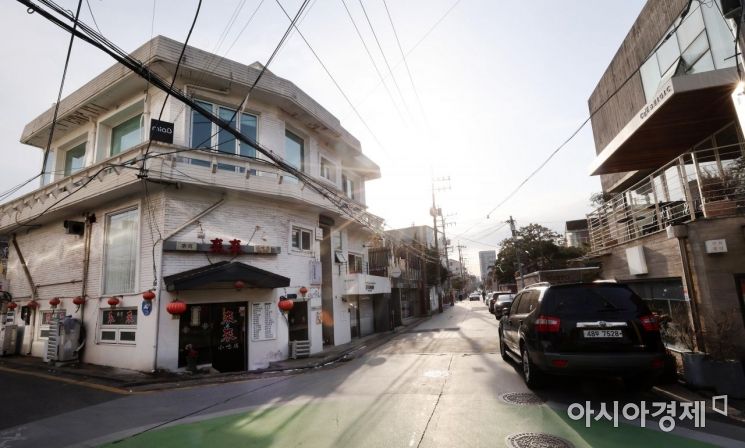 Seoul Story_Yeonhui-dong Back Alley, Residential Area Transformed into Restaurants and Cafes. Photo by Kim Hyun-min kimhyun81@
On the 3rd, Seoul City announced that it will start a service this month to develop an "Improvement Plan for Low-Rise Residential Area Management" for Type 1 Exclusive Residential Areas and Type 1 General Residential Areas.
Type 1 Exclusive Residential Areas and Type 1 General Residential Areas account for 22% of the total residential area in Seoul. Type 1 Exclusive Residential Areas refer to areas necessary to protect residential environments centered on single-family houses, while Type 1 General Residential Areas refer to areas needed to create convenient residential environments centered on low-rise housing.
Most of these areas are located on hilly terrain or are subject to overlapping regulations such as scenic and height districts, so the need for system improvement has been continuously raised.
In particular, Type 1 General Residential Areas have faced difficulties in development due to lower floor area ratios applied compared to when buildings were completed, following the subdivision of residential areas in 2003, resulting in reduced profitability.
Through this service, the city plans to comprehensively review various restrictions that hinder the maintenance of low-rise residential areas and proactively propose system improvement measures.
First, building restrictions in Type 1 Exclusive Residential Areas will be reorganized. Since height restriction regulations were introduced in 1972, these rules have been applied for over 50 years. The city will examine the necessity of lifting floor and height restrictions in exclusive residential areas and improve issues such as the uniform application regardless of local conditions.
By investigating regional characteristics, the city will review the necessity of maintaining exclusive residential areas and present new management directions, including adjustments to zoning. This is because non-residential facilities are increasing within exclusive residential areas, infrastructure such as roads and parking lots is insufficient, deteriorating the residential environment, and high-rise developments in surrounding areas are increasing residents' sense of deprivation.
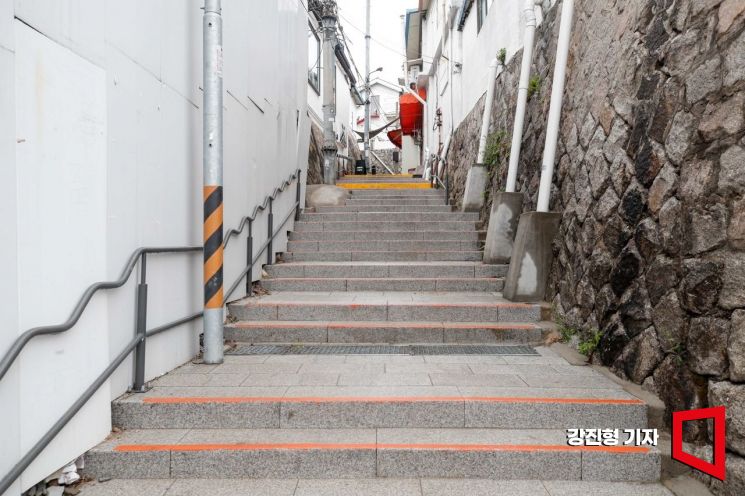
Improvement measures will be prepared to address the aging of housing and poor infrastructure in Type 1 General Residential Areas. These areas are mainly located on hilly terrain with narrow alleys densely packed with multi-family and multiplex houses, causing severe parking difficulties and making vehicle access challenging, which also increases vulnerability to fires.
A specialized guideline for low-rise residential areas will be developed by analyzing the types of Type 1 General Residential Areas and conducting surveys on necessary facilities, proposing customized incentive plans tailored to each area. The plan aims to suggest the most suitable maintenance measures for the conditions of the target areas to improve poor residential environments.
The city will focus on establishing reasonable management plans through consultations with experts in urban planning, architecture, and transportation, as well as communication with autonomous districts.
Jo Nam-jun, head of Seoul City's Urban Space Headquarters, said, "Considering the rapidly changing times, it is time for a new approach to low-rise residential areas. Through this service, we will boldly innovate the uniform regulations on low-rise residential areas and flexibly respond to changes by presenting multifaceted management directions."
© The Asia Business Daily(www.asiae.co.kr). All rights reserved.
!["I'd Rather Live as a Glamorous Fake Than as a Poor Real Me"...A Grotesque Success Story Shaking the Korean Psyche [Slate]](https://cwcontent.asiae.co.kr/asiaresize/183/2026021902243444107_1771435474.jpg)

















