Passed in the National Assembly plenary session on the 29th of last month
Continuous residence during the mandatory residence period after moving in within 3 years from the first possible move-in date
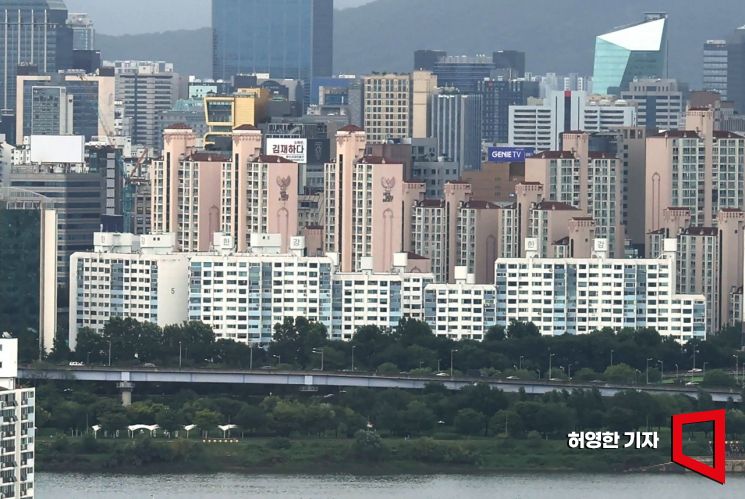
The amendment to the Housing Act, which postpones the mandatory residence obligation for apartments under the price ceiling system by three years, passed the National Assembly plenary session on the 29th of last month. The key point is to relax the start date of the mandatory residence obligation for apartments under the price ceiling system from the current 'earliest possible move-in date' to 'within three years after the initial move-in.'
The mandatory residence obligation was introduced in 2021 to prevent 'gap speculation,' where buyers purchase homes with jeonse (long-term deposit lease). It established a rule that winners of apartment subscriptions subject to the price ceiling system must reside in the apartment for 2 to 5 years from the move-in date.
However, as the housing market froze from the second half of 2022, the government announced in January last year that it would abolish the mandatory residence obligation for apartments under the price ceiling system in the metropolitan area.
The amendment bill stalled in the National Assembly for over a year due to disagreements between the ruling and opposition parties. Eventually, amid criticism that the mandatory residence obligation was causing harm to actual homebuyers, both sides compromised on a 'three-year postponement.'
After the bill passed the plenary session, the Ministry of Land, Infrastructure and Transport stated in reference materials, "Currently, residents of price ceiling system housing in the metropolitan area must continuously reside in the housing for up to five years from the earliest possible move-in date. Going forward, they may move in within three years from the earliest possible move-in date and then continuously reside during the mandatory residence period."
For example, for a complex scheduled to move in this April, residents can postpone continuous residence from the move-in date for up to three years and then begin continuous residence from April 2027. The Ministry explained, "This will alleviate housing inconveniences for buyers who face difficulties moving in immediately due to financial constraints."
For houses that received a usage inspection under Article 49 of the Housing Act before this law takes effect, continuous residence is not required until transfer. The total mandatory residence period remains the same. Residents may not reside in the house once for up to three years before fulfilling the residence obligation. The residence obligation period is calculated by adding the previously resided period excluding the non-residence period.
However, for land lease-type sale housing, the current continuous residence obligation from the earliest possible move-in date remains in effect. Land lease-type sale housing involves selling only the building while leasing the land at a low price from public entities such as the Seoul Housing and Communities Corporation (SH). Considering that the initial sale price is lower or similar to nearby jeonse or monthly rent prices, and that there could be cases of profiting through subleasing to third parties, the current obligation level is maintained.
A Ministry of Land, Infrastructure and Transport official stated, "The amendment to the Housing Act is scheduled to be implemented immediately upon promulgation after going through the Cabinet meeting procedures."
© The Asia Business Daily(www.asiae.co.kr). All rights reserved.

















