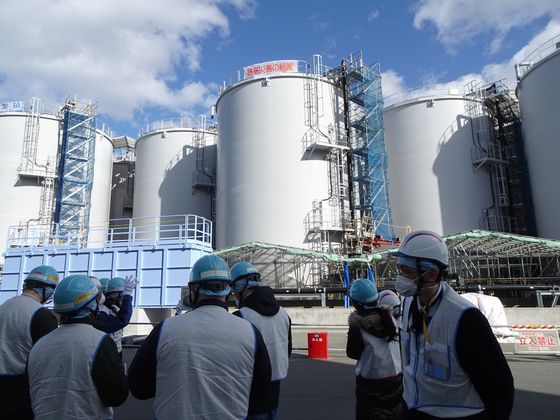
It has been six months since Japan discharged contaminated water from Fukushima (referred to as "treated water" by the Japanese government), but reports indicate that concerns about Japanese food and cosmetics continue to spread in China.
According to Yonhap News and Japan's Yomiuri Shimbun on the 25th, when Japan began discharging contaminated water from the Fukushima Daiichi Nuclear Power Plant on August 24 last year, China banned imports of Japanese seafood. As a result, the value of seafood exports from Japan to China decreased by 29.9% compared to the previous year.
While China has banned imports of Japanese seafood, it still allows its fishing vessels to operate in the sea east of Japan.
Additionally, some Japanese conveyor belt sushi chains operating in China have reportedly replaced rice and soy sauce from Japanese to Chinese products under the guidance of local authorities, indicating that the movement to ban imports of food products other than seafood in China has not subsided.
The cosmetics industry is also being affected. The Japanese cosmetics company "Kao" announced that its cosmetics sales in China from October to December last year decreased by 30% compared to the same period the previous year.
As China and Japan maintain their respective positions on the contaminated water issue and remain at an impasse, the two countries began confidential expert consultations in January. However, it is expected to be a prolonged issue as finding an immediate agreement appears difficult.
Meanwhile, Tokyo Electric Power Company (TEPCO) discharged contaminated water three times from August to November last year and plans to dispose of an additional 7,800 tons by next month. TEPCO has also planned to discharge 54,600 tons of contaminated water into the sea in front of the Fukushima nuclear plant over seven occasions this year.
© The Asia Business Daily(www.asiae.co.kr). All rights reserved.

















