Due to anatomical differences, the body load is greater
Even with less exercise time, health benefits are much larger
A study has found that women experience greater benefits from the same exercise compared to men, drawing significant attention.

Dr. Susan Cheng and her research team at the Schmidt Heart Institute of Cedars-Sinai Medical Center in Los Angeles, USA, published a study comparing the health improvement effects of exercise between men and women. The study was published in the Journal of the American Heart Association.
The research utilized data from over 400,000 women aged 27 to 61 from the U.S. National Center for Health Statistics (NCHS) database. The analysis showed that women who exercised regularly had a lower risk of premature death from all causes and fatal cardiovascular disease compared to men who exercised regularly.
In particular, women who exercised consistently for 20 years had a 24% lower risk of death from all causes and a 36% lower risk of death from heart diseases such as myocardial infarction and stroke. This result remained unchanged even though women exercised somewhat less than men. Men who exercised regularly, similarly to women, only saw a 15% reduction in all-cause mortality risk and a 14% reduction in death risk from heart disease.
Moderate-intensity exercise showed the greatest effect in reducing premature death risk when performed for 5 hours per week. The risk reduction effect of moderate-intensity exercise was also higher in women at 24%, compared to 19% in men. For strength training, the risk reduction effect was 19% for women and 11% for men. The difference in risk reduction related to heart disease mortality was even more pronounced, with women at 30% and men at 11%.
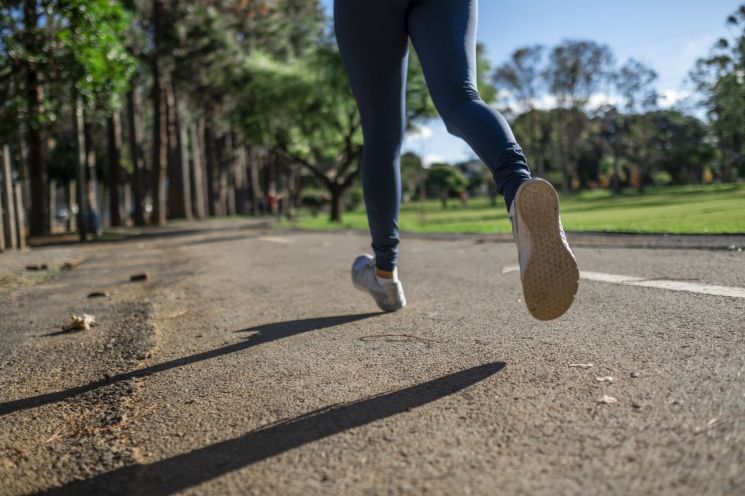
Women achieved the so-called "health compensation" equal to men despite shorter exercise durations. Men who performed 5 hours of aerobic exercise per week and women who performed about 2 hours (140 minutes) had the same 18% reduction in premature death risk.
Why do women gain much greater health compensation than men? The research team explained this based on anatomical and physiological differences between male and female bodies. Generally, men have larger lung capacity, bigger hearts, more body fat, and a higher proportion of muscle fibers than women. Therefore, when performing the same movements, the physical load on women’s bodies is greater than on men’s. In other words, even though it appears they are doing the same exercise, women exert more effort than men. Consequently, the health compensation effect is greater.
Dr. Cheng, the study’s author, said, "Women can gain significantly more benefits by doing just 20 to 30 minutes of vigorous exercise per week," adding, "I hope more women can increase their usual activity levels."
© The Asia Business Daily(www.asiae.co.kr). All rights reserved.


















