Mr. A, who turned 65 this year, recently received a text message from the Korea Disease Control and Prevention Agency. The message stated that his pneumococcal vaccination status was not confirmed and advised him to visit a designated medical institution to receive the vaccination.
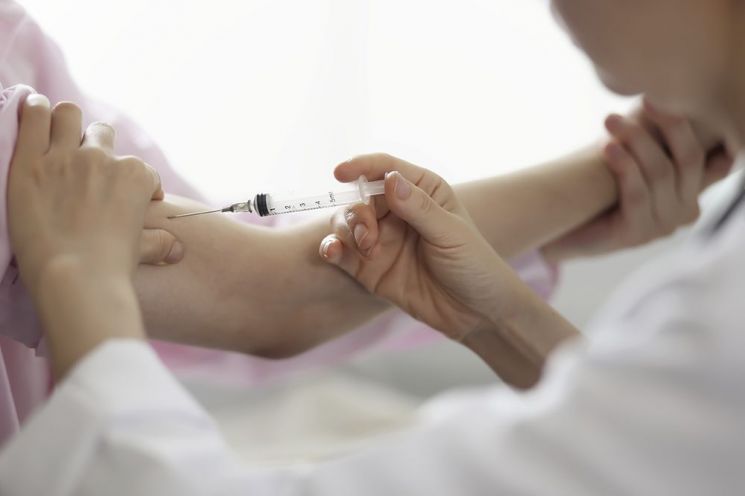
Mr. A had thought that basic vaccinations, aside from the annual flu shot, were mainly for infants, children, and adolescents, so he did not pay much attention to it. Unaware that new vaccinations were available starting at age 65, he visited a medical institution, inquired about various matters, and eventually recognized the necessity of the pneumococcal vaccination and received it.
Pneumococcus (Streptococcus pneumoniae) is one of the major causative bacteria of invasive infections such as pneumonia, bacteremia, acute otitis media, and meningitis, and it is transmitted from person to person through respiratory droplets. The mortality rate is high among those aged 65 and older.
According to the 2020 Infectious Disease Control Guidelines by the Korea Disease Control and Prevention Agency, pneumococcal infection is classified as a second-class infectious disease, requiring reporting within 24 hours and isolation when occurrence or outbreak is suspected, due to its transmissibility. As of 2018, pneumonia ranked third among causes of death in South Korea (45.4 per 100,000 population), and pneumococcus accounted for 27?69% of bacterial pneumonia cases depending on reports.
Although preventable through vaccination, the vaccination rate was only 15.4% as of 2012. To prevent invasive pneumococcal infections and reduce pneumonia mortality, the government has been directly conducting vaccination programs since 2013.
Pneumonia caused by pneumococcus typically has an incubation period of 1 to 3 days, followed by sudden chills, high fever, difficulty breathing, cough with mucopurulent sputum, chest pain, hypoxia, rapid pulse, fatigue, and weakness. It can cause complications such as pericarditis, atelectasis, lung abscess, and empyema leading to bronchial obstruction, so special caution is necessary.
As of this year, individuals aged 65 or older born on or before December 31, 1959, who have never received the pneumococcal (PPSV23) vaccine, can receive it free of charge at public health centers or designated national vaccination medical institutions.
For safe vaccination, recipients should check their health status and choose the vaccination date accordingly. It is recommended to confirm availability in advance with the health center or medical institution where vaccination is desired. Before vaccination, it is essential to inform medical staff of any underlying diseases, allergies, or other health conditions during consultation.
If pneumococcal vaccination was received after age 65, no further vaccination is necessary. If vaccinated before age 65, it is advisable to consult a doctor about the possibility of a single revaccination after five years.
After vaccination, recipients should stay at the vaccination site for about 30 minutes to monitor for adverse reactions before going home, maintain cleanliness at the injection site, and avoid excessive exercise or alcohol consumption.
Pain, swelling, fever, or muscle aches at the injection site may occur but usually improve within 2 to 3 days. However, if high fever or unusual symptoms different from usual appear, medical consultation is necessary.
Kim Yoon-mi, Head of the Comprehensive Health Screening Center at Daedong Hospital and a specialist in family medicine, advised, “For a healthy old age, managing underlying diseases, exercising, and improving dietary habits are important, but attention must also be paid to preventing infectious diseases. Pneumonia frequently occurs in seniors aged 65 and older and poses a high risk, so those eligible should actively receive vaccination.”
In addition to seniors aged 65 and older, individuals with chronic cardiovascular disease, chronic lung disease, chronic liver disease, diabetes, immunocompromised status, alcoholism, or smokers are considered high-risk groups for pneumococcal infection and should consult a specialist before receiving vaccination.
© The Asia Business Daily(www.asiae.co.kr). All rights reserved.
![User Who Sold Erroneously Deposited Bitcoins to Repay Debt and Fund Entertainment... What Did the Supreme Court Decide in 2021? [Legal Issue Check]](https://cwcontent.asiae.co.kr/asiaresize/183/2026020910431234020_1770601391.png)
















