'How to Wisely Subscribe to Financial Products for New Employees' Episode 150
On the 8th, the Financial Supervisory Service released the 150th installment of the series "How New Employees Can Wisely Subscribe to Financial Products," focusing on credit card usage.
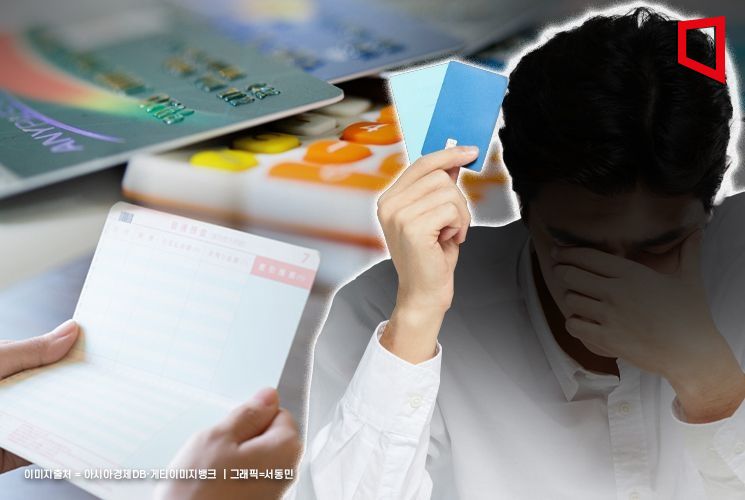
To prevent unnecessary expenses caused by credit card use, it is important to review your income level and monthly necessary expenses. You should set a target spending limit on your card considering your desired savings and investment rate. Since the monthly usage limit set by the card company may exceed your monthly salary, you need to adjust your card usage limit according to your personal circumstances.
You should choose a credit card that offers discounts or point accumulation benefits in various sectors that match your consumption and spending habits. Also, carefully check the discount and accumulation conditions stated in the product description. You can easily check your monthly spending status and whether you have met the discount benefit conditions through the credit card company's application.
If you are a typical young adult without dependents or large hospital expenses, be aware that there are fewer deductible items during year-end tax settlement. If your total salary is 70 million KRW or less, you can get a deduction of up to 6 million KRW. Income deduction for credit card usage applies a 15% deduction rate on the amount exceeding 25% of your total salary. Additional income deductions are available for payments made by card for public transportation fares, books and performances, and traditional market purchases.
Card points can be used for various purposes such as purchasing products, paying card bills, charging transportation cards, subscribing to financial products like savings and deposits, and paying national taxes. Since integrated credit card point inquiry and cash conversion are possible through the Account Information Integration Service and the Credit Finance Association, you should actively utilize these services.
Card users’ liability for unauthorized card use due to loss or theft depends on the level of fault, which determines whether and how much debt they must bear. Therefore, minimum measures to prevent unauthorized use should be taken. Upon receiving a card, you must sign the back immediately. If the card is lost or stolen before signing and unauthorized use occurs, you may be held responsible. If you lose multiple cards, use the ‘Card Loss Bulk Reporting Service’ to minimize damage from loss or theft.
Be cautious when using installment services, cash advances, or card loans, as these may incur high fees beyond regular lump-sum credit card use. When using the credit card revolving service, which allows partial payment of the bill and carries the remaining balance to the next payment date, choose the minimum payment ratio considering your repayment ability. The average revolving interest rate ranges from 15.25% to 19.03%, which is relatively high compared to general credit loans. Young adults with limited financial experience should be careful, as excessive revolving use beyond their repayment capacity can lead to credit delinquency and financial difficulties.
When using credit cards overseas for travel or direct purchases, you can reduce unnecessary fees by paying in the local currency or by requesting to block the ‘overseas KRW payment service’ via mobile apps. Payments made in KRW incur additional fees of approximately 3% to 8% compared to payments made in local currency.
© The Asia Business Daily(www.asiae.co.kr). All rights reserved.

















