Verification of Side Effects and Complication Risks
Including MFDS Certification, Ingredient Labeling, and Content Amounts
Lunar New Year is approaching. As the first holiday marking the beginning of the new year and new month, Lunar New Year is a time when families and acquaintances greet each other, exchange well-wishes, and give gifts. With increasing life expectancy and growing interest in health, gifts related to health such as red ginseng, ginseng, probiotics, and vitamins are highly preferred.
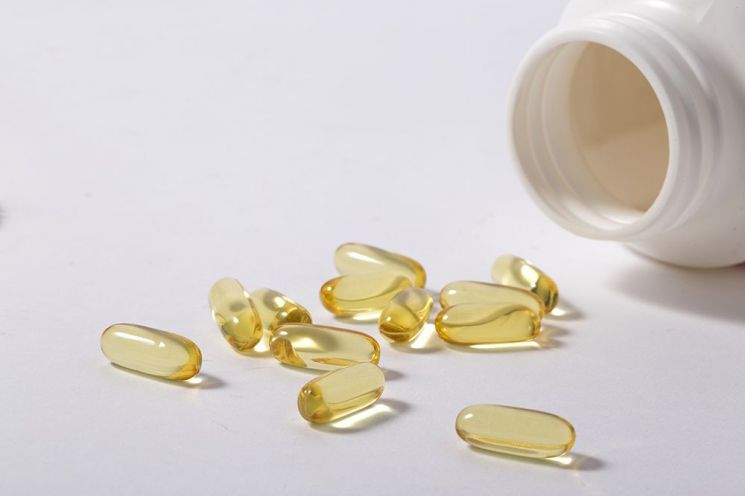
When choosing gifts, there are cases where products claim to improve conditions like arthritis, hypertension, cholesterol, or diabetes, making it difficult to distinguish between medicines, health functional foods, and general foods. It is essential to verify these products before purchasing or consuming them.
The Food Safety Information Service published the ‘Health Functional Food Adverse Event Information Vigilinfo’ at the end of last year, which includes the status of adverse events related to health functional foods and precautions for their intake.
According to the data, from December 2022 to November 2023, there were 1,392 reported adverse events related to the intake of health functional foods. Among symptoms, gastrointestinal disorders such as indigestion accounted for 46.2%, the highest proportion, followed by skin symptoms such as itching at 17.6%. Of these cases, 160 required hospital treatment, accounting for 11.5% of the total. Symptoms improved in about half of the cases after discontinuing the intake of health functional foods.
Health functional foods are products manufactured and processed using nutrients that are difficult to obtain from diet alone or functional ingredients beneficial to the human body, helping to promote health. These products are recognized by the Ministry of Food and Drug Safety for their functionality and safety, and their packaging must accurately display the health functional food mark, functional information, and daily intake amount.
Sometimes, there is confusion with functional labeled foods, which use functional ingredients recognized by the Ministry of Food and Drug Safety and have scientific evidence to display functional claims. These do not have the health functional food mark and are distinguished by the phrase “This product is not a health functional food.”
Also, health foods such as blueberry, deer antler velvet, and Cordyceps, which have long been considered beneficial for health, cannot display functional claims.
Dr. Kwangjae Lee, Director of Daedong Hospital (specialist in endocrinology), advised, “Before taking health functional foods, always check for the Ministry of Food and Drug Safety mark. If taking multiple products, it is necessary to check whether there are overlapping functional ingredients and whether the daily intake amount is exceeded. It is important to recognize that health functional foods differ from medicines that treat diseases and pharmacologically affect our body structure or functions. If you are taking medications for underlying diseases, it is best to consult your primary physician before taking health supplements.”

If you are considering health functional foods as Lunar New Year gifts, it is advisable to carefully review the information indicated on the product. The recipient should also thoroughly check whether the product is suitable for their health needs.
Since health functional foods are not medicines, they should not replace medications taken for disease treatment. It is necessary to confirm with your primary physician whether there is any risk of side effects or complications from taking health functional foods.
© The Asia Business Daily(www.asiae.co.kr). All rights reserved.
![Clutching a Stolen Dior Bag, Saying "I Hate Being Poor but Real"... The Grotesque Con of a "Human Knockoff" [Slate]](https://cwcontent.asiae.co.kr/asiaresize/183/2026021902243444107_1771435474.jpg)

















