Road Safety, Public Space Securing, and Environmental Pollution Response
In downtown Paris, France, the hourly parking fee for sports utility vehicles (SUVs) has been tripled to 26,000 won.
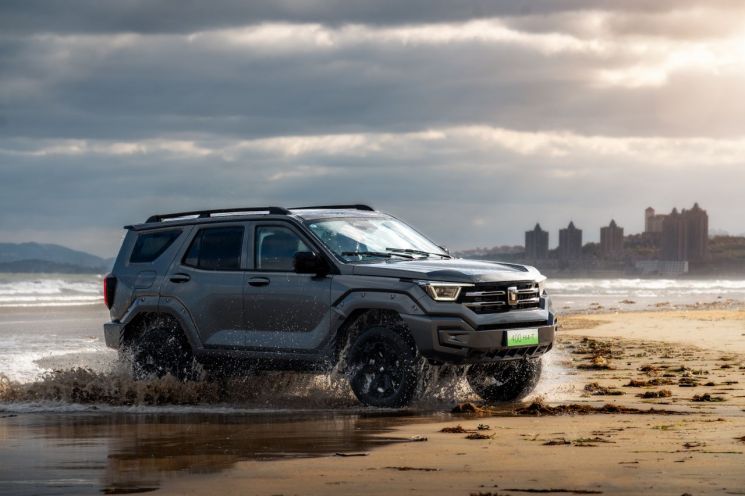 Sports Utility Vehicle (SUV). The photo is not directly related to the content of the article. [Image source=Pixabay]
On the 4th (local time), major foreign media including Bloomberg reported that 54.5% of voters participating in a resident referendum voted in favor of raising the SUV parking fee. However, the voter turnout itself was extremely low at 5.7%. With the passage of the parking fee increase in the referendum, the parking fee for SUVs in central Paris will rise from 6 euros (about 8,600 won) per hour to 18 euros (about 26,000 won), and in the outskirts of the city from 4 euros (about 5,800 won) to 12 euros (about 17,000 won), a threefold increase. The parking fee hike targets internal combustion and hybrid SUVs weighing 1.6 tons or more, and electric SUVs weighing 2 tons or more. Paris residents holding a resident parking permit, as well as taxi drivers, merchants, medical workers, and people with disabilities, are eligible for fee exemptions.
Earlier, the Paris city government stated on its website that the parking fee increase was promoted as a measure to improve road safety, secure public spaces, and respond to environmental pollution. Paris emphasized, "Although the number of cars in Paris has steadily decreased over the past decade, the average size of cars has increased, occupying more space on roads and in public places," adding, "As car sizes increase, accidents involving pedestrians result in more fatal outcomes."
Paris also pointed out, "The weight of cars has also increased. The average vehicle weight was 975 kg in 1990, but now it is 1,233 kg, about 250 kg heavier," and added, "Because of this, SUVs and four-wheel drives consume more fuel and emit more pollutants than regular vehicles." A report from the World Wide Fund for Nature (WWF) France explained, "Over the past decade, SUVs in France have become popular as family vehicles, increasing sevenfold, and the share of SUVs in new car sales has risen to 40%."
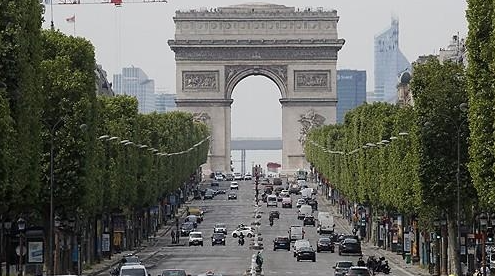
Additionally, Paris is vigorously pursuing eco-friendly policies following the re-election of Mayor Anne Hidalgo, who campaigned on the urban plan of a '15-minute city'?a living area accessible within 15 minutes by walking or cycling. Since the start of Hidalgo’s second term in 2020, Paris has added 84 km of bicycle lanes, and bicycle usage has increased by 71% up to last year after the COVID-19 lockdown was lifted.
David Belliard, Deputy Mayor of Transport and a member of the Green Party, said, "The goal of this policy is to send a message to car manufacturers," criticizing, "Car companies are deliberately selling bigger, more fuel-consuming, and more expensive vehicles, jeopardizing the transition to eco-friendliness."
However, some citizens and groups are opposing the move, saying, "The freedom to drive the car you want has been infringed." The lobbying group '40 Million Drivers Association' argued against attacks made under false environmental pretenses, warning that if this unjust rebellion by a minority is not stopped now, other cities will be affected as well. They also claimed, "New Hyundai SUVs may emit fewer pollutants than small diesel vehicles manufactured before 2011."
Paris also abolished the city’s electric scooter rental service through a resident referendum in April last year.
© The Asia Business Daily(www.asiae.co.kr). All rights reserved.
![Clutching a Stolen Dior Bag, Saying "I Hate Being Poor but Real"... The Grotesque Con of a "Human Knockoff" [Slate]](https://cwcontent.asiae.co.kr/asiaresize/183/2026021902243444107_1771435474.jpg)












