International oil prices rebounded on a monthly basis for the first time in four months. This was due to the escalating Middle East crisis caused by attacks on commercial vessels by the Iran-aligned Yemeni Houthi rebels. While oil price forecasts are mixed, there are observations that the extent of the rise may be limited.

On the 30th (local time), the April delivery futures price of Brent crude traded on the New York Mercantile Exchange rose 0.12% from the previous session to $82.50 per barrel. The March delivery futures price of West Texas Intermediate (WTI) crude closed at $77.82 per barrel, up 1.35%. Both crude oils have risen 7% and 8% respectively since the beginning of this month.
This is the first monthly increase in international oil prices since September last year. Until now, despite the production cut measures by the Organization of the Petroleum Exporting Countries Plus (OPEC+ consisting of OPEC member countries and non-OPEC allies), international oil prices had been declining due to increased production by countries outside OPEC+. However, tensions in the Middle East triggered by the Israel-Hamas war have sharply escalated since early this year. Attacks by the Yemeni Houthi rebels on tankers and other commercial vessels have expanded this year, leading to intensified strikes by the U.S. military and allied forces.
The market is closely watching the U.S. response to the attack on U.S. troops stationed in Jordan on the 27th. The U.S. has identified the Iran-aligned Iraqi militia Kata'ib Hezbollah as responsible for the attack and announced plans for retaliatory measures. If the war in the Middle East expands, oil prices could rise. Yoon Sung-chil, chief commodities analyst at SI Securities, told Bloomberg News, “All eyes are on Biden’s next move,” adding, “This seems likely to determine the market’s direction.”
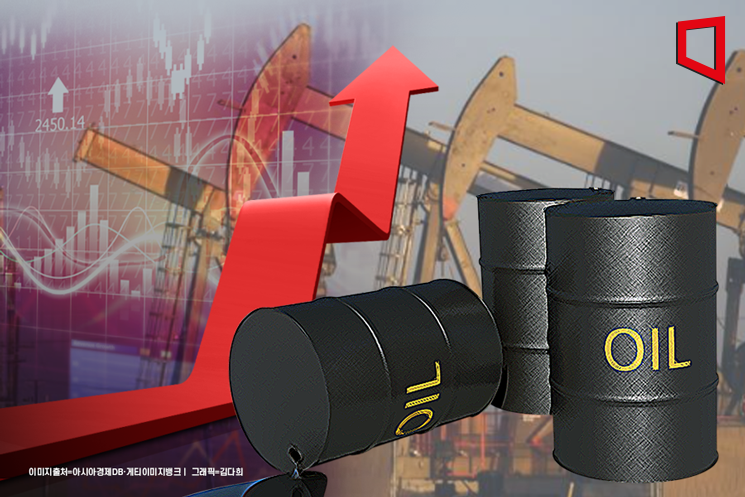
However, since rising international oil prices could stimulate inflation, there is also analysis that the U.S. measures against the Iran-aligned militias will be limited. Keeping oil prices from rising is also a goal during President Joe Biden’s term as he seeks re-election.
Even if international oil prices rise, the prevailing view is that the increase will be limited. It is said to be difficult for prices to exceed $100 per barrel. First, the rate of increase in global oil consumption, including China, is slowing down. Additionally, the increase in oil production by countries in the Americas such as the U.S. and Guyana is breaking the oil cartel led by OPEC. It is also evaluated that OPEC’s production cut measures can no longer prevent the downward trend in prices.
© The Asia Business Daily(www.asiae.co.kr). All rights reserved.

















