Vacant Houses Expected to Exceed 30% of All Households by 2033
Purchased for 30 to 40 Million Won, Renovated and Rented Out
Urban Migration and Population Decline Accelerate Regional Disappearance
Abandoned houses in Japan are gaining popularity among foreigners. This is due to an increasing number of overseas investors who want to renovate cheap houses for use or turn them into private retreats.
On the 30th (local time), foreign media such as Business Insider reported that 'Akiya,' which refers to abandoned rural houses in Japan, were listed for sale at $23,000 (about 30 million KRW), and the number of overseas investors looking to renovate and live in them or use them as vacation homes is rising.
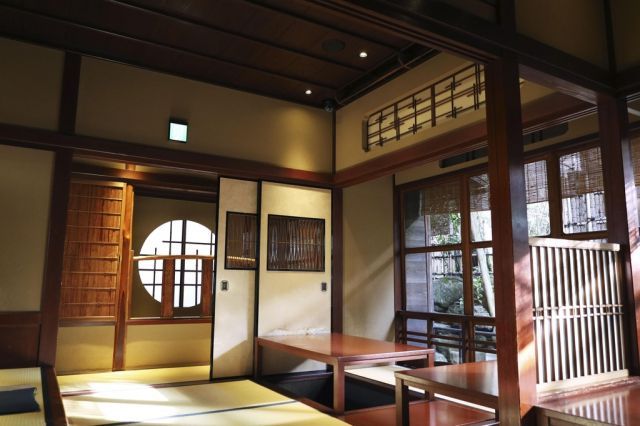
A Canadian buyer told Business Insider in an interview that in September 2023, he purchased a 5-room Akiya in Nagano Prefecture for $31,000 (about 41 million KRW). Colin Aguirre, who came to Japan as an exchange student, said, "I have acquired my dream home in Japan," and lamented, "Buying a small garage in Paris would cost 100,000 euros (about 140 million KRW)."
The investment strategy of moving into Akiya and then renting it out as a vacation home is also gaining popularity among Hong Kong residents.
Kazuaki Nebu, head of Japan at real estate portal IQI, said, "Among Hong Kong investors, the investment strategy of purchasing abandoned houses in Japan and renting them out as vacation homes on Airbnb is popular," adding, "It is a win-win investment where you can enjoy traditional Japanese houses and beautiful scenery while earning rental income."
This phenomenon is a result of the visible depopulation of rural areas.
According to a housing and land survey conducted in Japan in 2018, the number of Akiya (abandoned houses) in Japanese rural areas was counted at over 8.5 million. Nomura Research Institute (NRI) estimates the number to be even higher, close to 11 million, and predicts that by 2033, Akiya will exceed 30% of all households in Japan.
Richard Koo, NRI’s chief economist, pointed to the increase in rural residents moving to cities since the mid-1990s as a cause of rural depopulation.
There is also analysis attributing this to the overall decline in Japan’s population size. Japan’s birth rate decreased from 1.30 per person in 2021 to 1.26 in 2022, marking seven consecutive years of decline.
Chris McMorran, associate professor of Japanese studies at the National University of Singapore, said, "The core issue lies in the lack of a mobile population in Japan," adding, "Rural depopulation will worsen in the future."
Some analyses find cultural factors behind the emptying countryside. Douglas Sutherland, OECD chief economist, said in a 2021 interview with Business Insider, "Japan lacks a DIY (Do It Yourself) culture for renovating or remodeling old houses."
The safety issues of rural houses are also an unavoidable factor. Considering that many Akiya were built before the Building Standards Act was revised to require strong earthquake-resistant designs, demand is naturally low in earthquake-prone Japan.
It is also difficult for the Japanese government to forcibly demolish houses or locate owners to order repairs. Not only does Japan’s property rights law pose obstacles, but the government only gained the authority to manage and supervise Akiya owners in 2015.
Tracking down owners of houses that have been neglected for a long time causes enormous administrative costs, so the government appears unable to establish effective countermeasures.
© The Asia Business Daily(www.asiae.co.kr). All rights reserved.











