British journalist mocks by mentioning Boston Tea Party
Embassy intervenes to mediate as controversy grows
The claim by an American chemistry professor that "a pinch of salt can reduce the bitterness" of 'black tea,' the national drink and pride of the United Kingdom, has stirred up the entire country. On the 24th (local time), CNN reported that the advice from an American chemist about tea angered not only the British people but also the embassy.
Recently, Professor Michelle Frankel of Bryn Mawr College in Pennsylvania stated in her book that salt is necessary to reduce the bitterness of beverages, giving the example that adding a little salt to black tea can prevent bitterness. Appearing on TV news, she claimed, "A tiny amount of salt, so small that you can't even taste it, can eliminate bitterness."
This statement spread rapidly on social media, and the British, who take great pride in their tea, were outraged and responded passionately online. Comedian Matt Green expressed disbelief, saying, "What on earth is happening in that country?" British journalist Molly Q posted on her X, "Are we going to war again?"
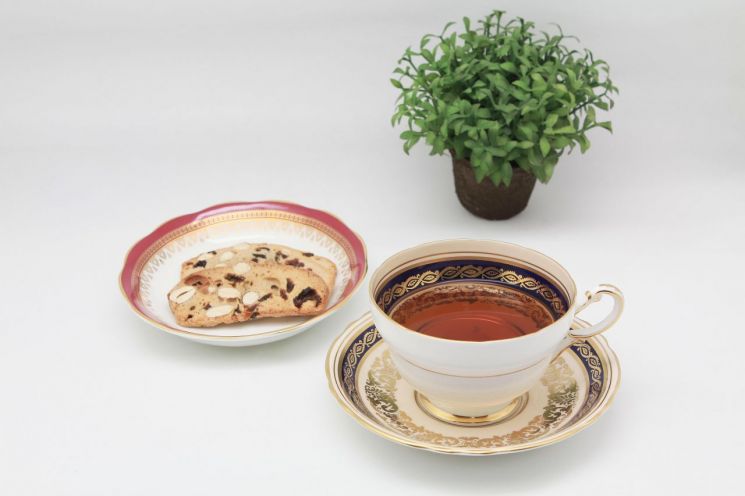 The British national drink and pride, "black tea," has caused an uproar across the UK after an American chemistry professor claimed that "adding a pinch of salt can reduce its bitterness."
 [Photo source=Pixabay]
Especially, many Britons resonated with Molly Q's post and even referenced the Boston Tea Party in satire. The Boston Tea Party, which occurred in the 1770s during the period of conflict between Britain and America over colonial jurisdiction and taxation issues, was triggered by Britain's taxation on tea imposed on its then-colony, America. Amidst the tense standoff between the two countries, on the night of December 16, 1773, colonists in Massachusetts Bay attacked British ships to block tea imports from the British mainland and dumped the tea chests, which were luxury goods at the time, into the sea. The Boston Tea Party is widely known as the event that ignited the American Revolutionary War.
What could have been a simple incident escalated to involve the embassy. The U.S. Embassy in the UK stated officially on X, "We cannot remain silent as such a ridiculous suggestion threatens our special relationship," adding, "We want to make it clear that the unexpected idea of adding salt to Britain's national drink is not an official policy of the United States." The British Guardian mocked the claim, saying, "A scientist from a country that makes tea with lukewarm tap water explains the perfect tea taste and recipe."
Meanwhile, the reason for Britain's strong indignation is that black tea is the national drink of the UK. Since black tea, made by fermenting and drying tea leaves, was imported into Britain in the 18th century, the UK became famous as the country that consumes the most black tea in the world. Especially with the rise of the middle class during the Industrial Revolution, tea imports increased exponentially. At that time, wealthy Britons made milk tea by adding sugar and milk to black tea, which became a popular drink symbolizing Britain alongside black tea itself. By the late 19th century, most Britons preferred black tea over coffee. Regardless of age or gender, everyone would sit with a teacup and converse, firmly establishing black tea as the national drink of Britain.
© The Asia Business Daily(www.asiae.co.kr). All rights reserved.

















