Nongshim Kellogg Reduces Sugar Content in Fruit Ring by 20%
Healthy Pleasure Trend Spurs Products Using Alternative Sweeteners
Daesang Launches Alternative Sweetener Brand to Capture Domestic and Global Markets
#Ms. Kim Miso, a dieter in her 30s, has recently become obsessed with 'making sugar-free Tanghulu.' She coated strawberries by melting allulose, a sugar substitute she usually uses instead of sugar, resulting in a sweet yet crunchy, impressive Tanghulu. Since discovering the low-calorie sugar substitute, Ms. Kim has been purchasing 'low-sugar products' at convenience stores and supermarkets. She said, "The era of blindly enduring sweetness during dieting is over," adding, "I check the ingredient labels and choose low-sugar products containing sugar substitutes even if they are a bit more expensive."
As interest in 'healthy yet delicious' healthy pleasure (healthy+pleasure) products grows, the food industry is distancing itself from sugar. While launching 'zero sugar' brands, they are also captivating consumers' tastes by maintaining the original flavor of existing products while reducing sugar content using sugar substitutes. As the low-sugar craze, once limited to beverages, expands across the entire food industry, the sugar substitute market is also rapidly growing.
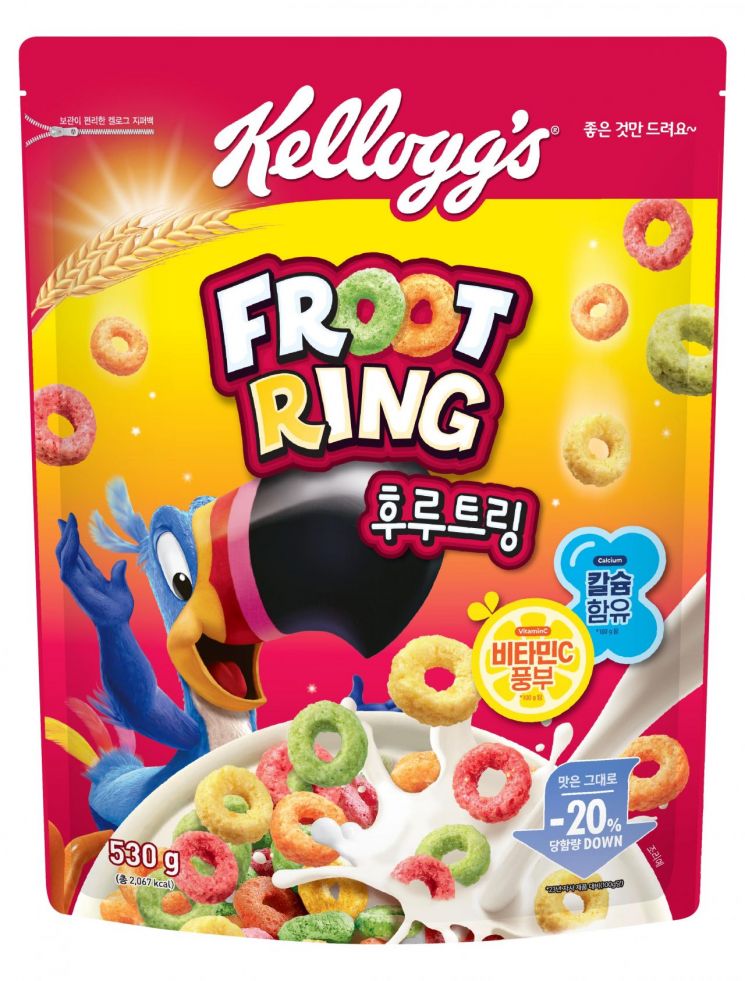
From sauces to cereals... Low-sugar products reducing sugar continue to emerge
According to the distribution industry on the 16th, Nongshim Kellogg recently reduced the sugar content of its cereal 'Fruit Rings' from 37g to 29g per 100g, a 20% decrease. To achieve this, they used the natural sweetener enzyme-treated stevia, a sugar substitute, instead of sugar. A Nongshim Kellogg representative explained, "Although the sugar content was lowered, we maintained the taste and aroma through Kellogg's unique technology and optimal blending with sugar substitutes."
Last year, Nongshim Kellogg also reduced the sugar content of 'Chex Choco' from 30g to 24g per 100g, a 20% reduction, and this year they continued efforts to reduce sugar in popular cereals. This is part of the 'Better For You' campaign started last year, influenced greatly by consumers' growing interest in healthy food.
Ottogi also launched 'Low Sugar Ketchup' in November last year, significantly reducing sugar content. The sugar content was lowered to 4.4g per 100g, meeting the low-sugar criteria announced by the Ministry of Food and Drug Safety. This is about 80% lower than Ottogi's 'Tomato Ketchup' (21g) and less than half of the '1/2 Half Ketchup' (10g) launched in 2009. Ottogi used allulose to reduce sugar content while preserving the ketchup's original sweet and tangy flavor. An Ottogi representative said, "As more consumers carefully check nutritional information when purchasing products, we launched products with significantly reduced sugar content," adding, "We plan to expand the range of low-sugar products to provide a wide selection for consumers who prefer healthy eating."
Additionally, Lotte Wellfood launched the dessert brand Zero, which uses alternative sweeteners such as erythritol and maltitol instead of sugar, spreading the low-sugar trend, previously centered on beverages, throughout the entire food industry.
Low-sugar products succeed in opening consumers' wallets by checking 'ingredient labels'
The launch of low-sugar products aligned with the healthy pleasure trend is actually opening consumers' wallets and leading to increased sales. According to GS25, sales of low-sugar desserts increased 1.5 times over four years compared to 2019. Reflecting this consumer trend, GS25 plans to continue additional collaborations with related brands and expand its product lineup this year. In particular, for ice cream, they plan to add about 10 products including low-sugar and vegan options, including private brand items. A GS25 representative analyzed, "Since the COVID-19 pandemic, interest in the nutritional content of desserts has greatly increased due to the spread of the healthy pleasure trend."
As the launch of low-sugar products surges, the sugar substitute market to meet this demand is also growing. This is a global trend. According to market research firm Straits Research, the global alternative sweetener market is expected to grow from $2.33 billion in 2022 to $3.29 billion in 2031.
Accordingly, companies are also actively entering the domestic and international sugar substitute markets. For example, Daesang has launched the integrated brand 'Sweevero,' covering the sugar substitute category including allulose, and is aiming to capture the global market. They plan to target the largest market, North America, as well as explore new markets in Southeast Asia and Europe. A Daesang representative said, "We have already secured more than 50 domestic clients including major beverage manufacturers such as Lotte Chilsung, Dong-A Otsuka, and Hite Jinro Beverage, as well as numerous customers in the North American market," adding, "Starting with allulose, we will continue to launch sugar substitutes in the future."
© The Asia Business Daily(www.asiae.co.kr). All rights reserved.


















