KB, NH, Daishin, and Shinhan Investment Securities Receive Institutional Warning
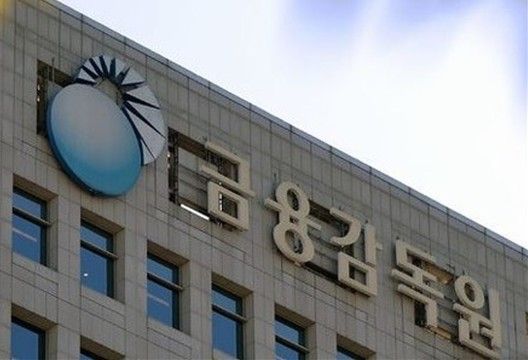
The Financial Supervisory Service (FSS) has imposed severe disciplinary actions on securities firms that sold Lime and Optimus funds in connection with the related scandals.
On the 9th, according to the FSS, NH Investment & Securities, KB Securities, Shinhan Investment Corp., and Daishin Securities were issued institutional warnings and fined 50 million KRW each for violating the obligation to establish internal control standards. Additionally, sanctions such as suspension of duties and salary reductions for employees were imposed.
The FSS determined that these securities firms violated the obligation to establish internal control standards under the Corporate Governance Act. However, since the institutional warnings were included in the scope of previous sanctions for violations of the Capital Markets Act, no separate measures were taken.
KB Securities was criticized for failing to properly establish key internal control standards related to financial product sales and total return swap (TRS) transactions. In particular, the 'WM Product Strategy Committee Operation Regulation,' which applies during the financial product sales process, did not include appropriate risk review procedures that must be followed to protect financial consumers.
The FSS pointed out that KB Securities’ operational methods resulted in insufficient review of leverage risks from TRS transactions and investment target risks from blind funds during the screening of Lime Fund No. 1. This ultimately led to large-scale investor losses, including a 'total loss' caused by the Optimus fund’s insolvency.
Shinhan Investment Corp. also violated the obligation to establish internal control standards related to TRS transactions and the launch and sale of financial investment products. They allowed unofficial input of estimated net asset values, in addition to official net asset values received from overseas administrative trustees, when entering the net asset value of overseas feeder funds, but did not establish appropriate internal control procedures for this. As a result, the TRS operations department arbitrarily entered fund net asset values, and a new Lime fund investing in the already insolvent Optimus fund was sold to investors.
Daishin Securities did not establish internal review procedures such as product review standards by the Risk Review Committee for product launches. Furthermore, they failed to effectively organize standards for risk management, consumer protection, and control of sales activities at branches after product launches.
NH Investment & Securities sold products without conducting internal reviews of new asset managers when selling funds and did not verify basic qualifications such as the asset managers’ credentials. They also failed to conduct substantive reviews such as confirming accounts receivable investment procedures and interviewing asset managers.
© The Asia Business Daily(www.asiae.co.kr). All rights reserved.

















