Chinese Consumers Who Don't Look for Products Unless They Are Cheap
$3. This is the price of a KFC set consisting of a chicken burger, French fries, and a soft drink sold in China. It is more than 50% cheaper compared to similar sets sold in our country. KFC's local operator Yum China has doubled its promotional expenses to sell low-priced burger sets. The reason why KFC China is lowering prices even at a loss is that this is the only way to sell the products.
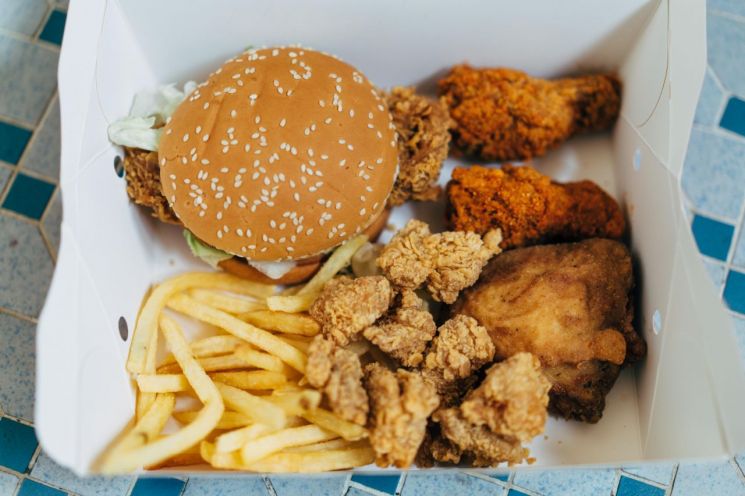
Recently, as consumer spending has tightened in China, there is a trend of preferring only low-priced items. On the 9th (local time), Bloomberg reported, “In many bustling areas of China, advertisements for discounts and special offers on everything from clothing to cosmetics are appearing one after another,” adding, “A price war is underway among retailers.”
The German discount supermarket chain Aldi, which opened offline stores in China in 2019, announced a new slogan last year: “Good quality and low price.” Aldi is also offering heavily discounted prices on groceries nearing their expiration dates. It is explained that Aldi, which had aimed to be a premium supermarket targeting the Chinese middle class, has shifted its strategy to low prices.
This is not limited to foreign companies. Alibaba’s grocery chain Freshippo is in a similar situation. In October last year, Freshippo announced price reductions on more than 5,000 items including meat, seafood, and bread. Bloomberg explained, “Retailers are holding discount events as a strategy to drive sales in the current Chinese economic reality.”
On the other hand, companies that do not join the low-price strategy are losing market share to competitors. Starbucks is a representative example. Once holding over 50% market share in the Chinese coffee market, Starbucks had to give up the top spot last year to Luckin Coffee, which sold coffee at ultra-low prices (9.9 yuan, $1.39 per cup). Luckin Coffee, which had only a 2% market share in 2018, succeeded in attracting customers with an aggressive discount strategy different from Starbucks.
The reason Chinese retailers adopt low-price strategies is that due to economic uncertainty, consumers try to save money and only seek cheap products when they spend. After three years of zero-COVID policy, China has fallen into the risk of deflation (price decline amid economic recession) as an aftereffect.
In November last year, China’s consumer price index fell by 0.5% compared to a year earlier. This is the largest decline since November 2020 and also exceeds market expectations (-0.2%). Consumers postpone spending in anticipation of further price drops, which could lead companies into a vicious cycle of reducing production and investment.
There are also criticisms that there will be no winners in the “price war.” Kevin In, an analyst at JPMorgan Chase, predicted, “The price war, accelerated by slowing demand growth in China, will erode profit margins until it normalizes.”
Jason Yu, Managing Director of Kantar Worldpanel Greater China, said, “As long as deflation continues, low-price strategies will be widely used in 2024 as well.”
© The Asia Business Daily(www.asiae.co.kr). All rights reserved.

















