The Ministry of Justice will officially introduce video interview assessments in April to improve interview accessibility for refugee applicants residing in provinces who speak minority languages and to provide a safe interview environment during infectious disease situations such as COVID-19.
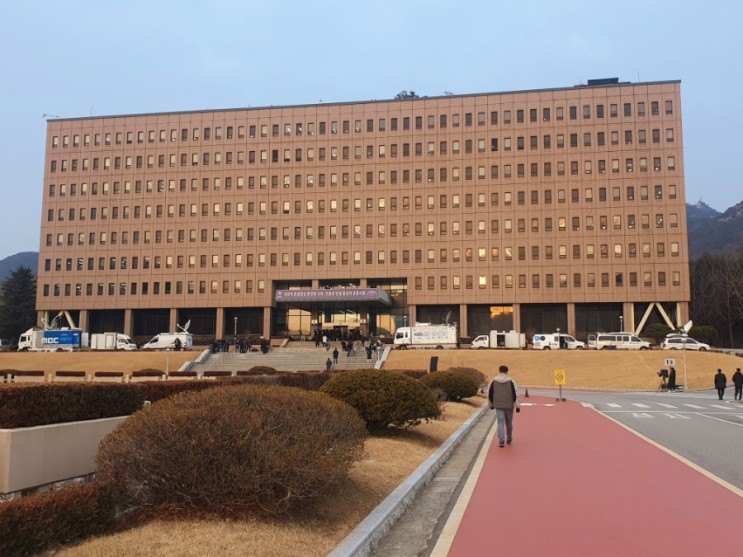
The Ministry of Justice announced on the 4th that the video interview assessment system, which has been piloted since the 20th of last month, will be officially introduced starting in April. Since the refugee system was implemented in 1994, refugee interview assessments have only been possible through face-to-face interviews where the refugee adjudicator, refugee applicant, and interpreter gather in the same interview room. However, 78% of professional refugee interpreters are concentrated in the Seoul-Incheon metropolitan area, making it difficult to find interpreters when foreigners speaking minority languages reside in provinces. The spread of COVID-19 also caused interruptions in refugee interview assessments, leading to prolonged waiting periods for refugee adjudications.
Accordingly, the Ministry of Justice decided to introduce video interviews where the refugee adjudicator and refugee applicant participate at the adjudication institution with jurisdiction over the applicant’s place of stay, while the interpreter participates from the adjudication institution with jurisdiction over their place of residence. This aims to improve interview accessibility for refugee applicants residing in provinces who speak minority languages and to provide a safe interview environment during infectious disease situations such as COVID-19.
Video interviews will be conducted at eight institutions nationwide responsible for refugee assessments, including Jeju, Busan, and Gwangju. By utilizing interpreters concentrated in the metropolitan area, the Ministry of Justice expects to enhance interview accessibility for refugee applicants, shorten the waiting period for refugee adjudications, and provide a safe interview environment even during infectious disease situations.
Video interviews, which are already operated in more than nine advanced countries including Germany and Switzerland, will complete the pilot operation period by March 30 and officially begin operation on April 1.
A Ministry of Justice official stated, “We will promote advanced refugee policies that meet international standards through continuous reinforcement of refugee assessment infrastructure.”
© The Asia Business Daily(www.asiae.co.kr). All rights reserved.
!["The Woman Who Threw Herself into the Water Clutching a Stolen Dior Bag"...A Grotesque Success Story That Shakes the Korean Psyche [Slate]](https://cwcontent.asiae.co.kr/asiaresize/183/2026021902243444107_1771435474.jpg)
















