At the beginning of the new year, you may have heard news reports ranking countries worldwide or among OECD member countries.
The OECD, short for the Organization for Economic Cooperation and Development, was established in 1961 with the purpose of economic growth and development among member countries. Currently, it is a cooperative organization consisting of 38 member countries considered economically advanced.
However, the OECD influences not only the economy but also various fields such as society, environment, and politics, serving as a reference for various indicators and comparisons.
Among various statistics in the healthcare sector, including life expectancy, chronic diseases, mortality and smoking rates, and obesity rates, the recent “2023 Status and Issues of Chronic Diseases” report released by the Korea Disease Control and Prevention Agency also provides OECD statistics.
According to the report, in the comparison of standardized mortality rates for major diseases among OECD countries, South Korea showed rates lower than the OECD average for neoplasms (cancer), diabetes, ischemic heart disease, and cerebrovascular disease. However, for asthma, South Korea ranked third with 2.1 cases per 100,000 population, following T?rkiye and Iceland, significantly higher than the OECD average of 1.3 cases.
Asthma is a chronic respiratory disease characterized by repeated episodic respiratory symptoms such as coughing, wheezing, and difficulty breathing due to narrowing of the airways in the lungs caused by allergic inflammation. It is known to be caused by factors such as pollen, mold, house dust mites, pets, and work environments, and aggravated by air pollution, climate change, upper respiratory infections, stress, food additives, and medications.
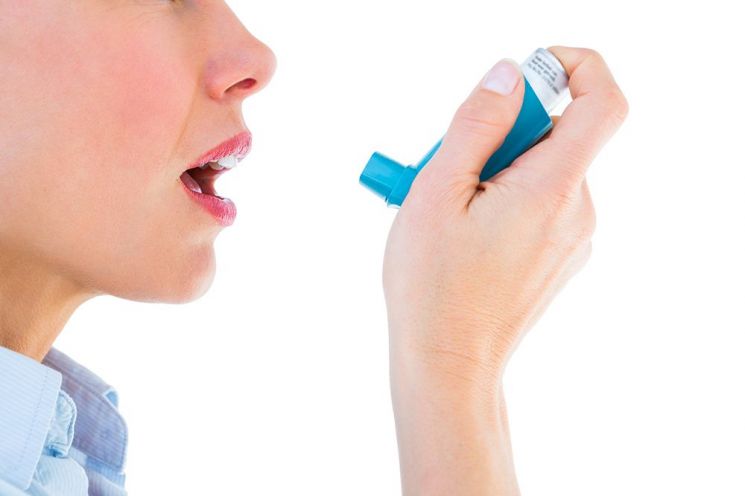
The wheezing sound heard when breathing is called wheeze, which in severe cases can be heard not only by the patient but also by those nearby. Coughing caused by asthma tends to worsen at night and usually occurs repeatedly once it starts.
Due to narrowed airways, airflow is restricted, causing a feeling of chest tightness or discomfort. Breathing can feel as difficult as breathing through a straw, and in severe cases, patients may lose consciousness and be rushed to the emergency room. Asthma-related breathing difficulties are more pronounced during exhalation than inhalation.
Dr. Lee Gyu-min, a pulmonologist at Daedong Hospital, stated, “Asthma symptoms can appear as a single symptom or multiple symptoms together, and it can develop gradually like a cold before triggering an asthma attack, or severe asthma attacks can occur suddenly without initial symptoms.” He advised, “Since asthma is complex, if suspicious symptoms recur or there is a family history, it is best to consult a pulmonology specialist.”
He added, “To prevent complications, elderly asthma patients should avoid outdoor activities during winter, and if going outside is unavoidable, warming up with simple indoor stretching to raise body temperature can reduce the risk of exposure to cold air. Wearing scarves or masks to breathe warm and humid air through the nose is also recommended.”
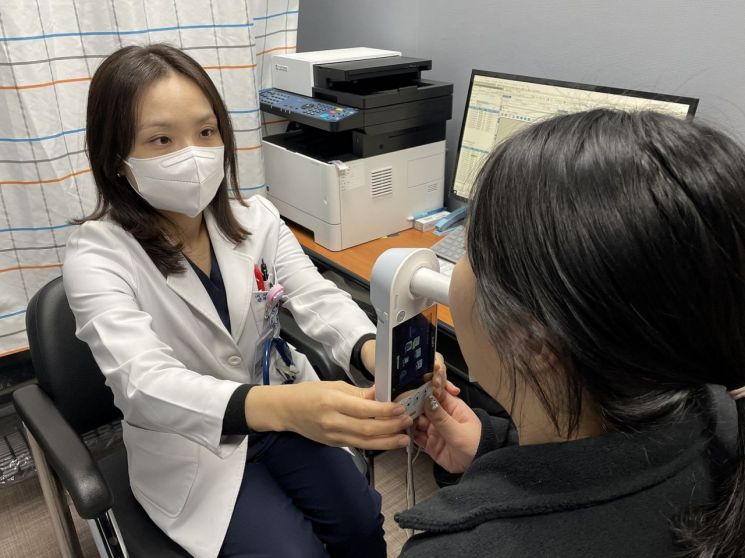
If symptoms are present, asthma diagnosis can be made through specialist consultation involving pulmonary function tests, bronchial provocation tests, chest radiography, and sputum analysis. After diagnosis, environmental therapy to avoid causative and aggravating factors, along with medication to relieve symptoms or prevent asthma attacks, is implemented. Neglecting asthma can lead to decreased lung function, making daily life difficult and possibly requiring oxygen therapy.
Even if symptoms are well controlled, emergencies can occur due to various triggers. Immediate medical attention is necessary if any of the following occur: no response to asthma medication, need for medication again within 4 hours after taking it, bluish discoloration of the skin, rapid pulse over 120 beats per minute, difficulty breathing with no breath sounds, or loss of consciousness.
To prevent asthma, thorough personal hygiene including hand hygiene should be maintained, and exposure to irritants such as tobacco smoke, chemicals, strong odors, air pollution, and yellow dust should be avoided. Managing indoor air quality with air purifiers to reduce fine dust is also helpful.
Winter tends to have more frequent occurrences of high-concentration fine dust than spring, with longer periods of dust remaining near the ground. It is advisable to frequently check fine dust forecasts and avoid going outside during “bad” air quality levels. Even during “moderate” levels, caution is recommended for those with reduced physical condition or accompanying conditions such as rhinitis.
Additionally, maintaining a relaxed lifestyle through appropriate exercise and stress management is important. It is also helpful to regularly measure and record symptoms and peak expiratory flow rates for reference during medical consultations. Medication should never be stopped arbitrarily even if symptoms improve.
© The Asia Business Daily(www.asiae.co.kr). All rights reserved.
![Clutching a Stolen Dior Bag, Saying "I Hate Being Poor but Real"... The Grotesque Con of a "Human Knockoff" [Slate]](https://cwcontent.asiae.co.kr/asiaresize/183/2026021902243444107_1771435474.jpg)

















