Simultaneous Large-Scale Development Projects Including Administrative and Cultural Complex Town (G-plex) Creation, Yeongdong-daero Complex Development, Suseo Station Transfer Center Complex Development, and Robot Hub District Establishment... Establishment of Temporary National-Level Organization from January 1 for Future Development Strategy and Successful Large-Scale Project Implementation
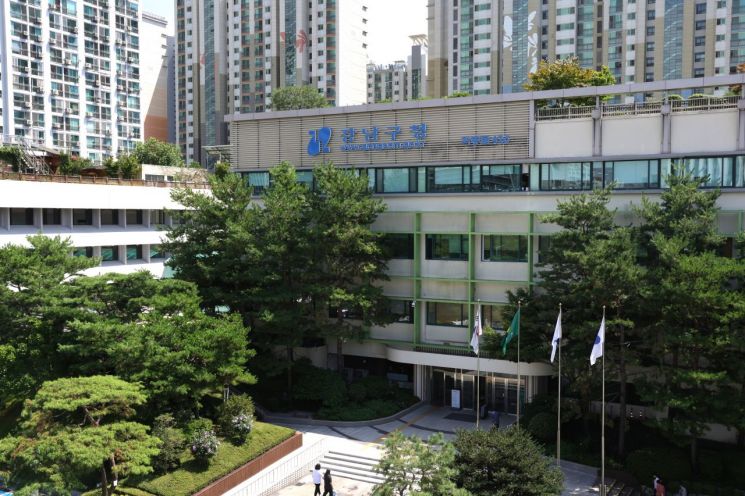
Gangnam-gu (District Mayor Jo Seong-myeong) established the Future Strategy Planning Division, focusing on leading the future development of Gangnam, through an organizational restructuring effective January 1.
Gangnam-gu is currently undertaking multiple large-scale development projects simultaneously, including the construction of the administrative and cultural complex town (G-plex), the Yeongdong-daero complex development, the Suseo Station transfer center complex development, and the creation of a robot hub district.
Additionally, with the revitalization of reconstruction and redevelopment projects, land and donated facilities generated require balanced development plans aligned with urban growth from the early stages. Facing this major change in Gangnam's development, the district judged that now is the time to concentrate administrative capabilities. However, due to current government organizational management guidelines restricting staff increases, the Future Strategy Planning Division was launched as a temporary bureau-level (Grade 4) organization by efficiently reorganizing existing structures while considering the importance of its tasks.
The Future Strategy Planning Division consists of 2 departments and 6 teams. The Innovation Strategy Department is divided into the ‘Robot Artificial Intelligence Team,’ which promotes a robot-friendly city; the ‘Urban Planning Permanent Planning Team,’ which establishes future urban spatial development plans; and the ‘Future Transportation Team,’ responsible for expanding metropolitan transportation networks and introducing future transportation modes such as autonomous vehicles and Urban Air Mobility (UAM).
The Spatial Development Department comprises the ‘Urban Development Team,’ which promotes the international exchange complex district and Guryeong Village urban development; the ‘Public Office Construction Team,’ which advances the construction of the administrative and cultural complex town and the establishment of a dong (neighborhood) complex cultural center to prepare for future administrative demands; and the ‘Eco-Cultural City Team,’ which expands waterfront space infrastructure such as Segokcheon Stream, Tancheon Stream, and the Han River, and accelerates the Gangnam Walkable Way project.
Jo Seong-myeong, Mayor of Gangnam-gu, stated, “Since the Yeongdong development in the 1970s, Gangnam is once again entering a period of great transformation. By consolidating administrative capabilities through organizational restructuring, we will establish systematic strategies for Gangnam’s future development and successfully promote large-scale development projects.”
© The Asia Business Daily(www.asiae.co.kr). All rights reserved.

















