Procedures for paying cataract surgery indemnity insurance benefits for vulnerable groups such as the elderly will be simplified going forward.
On the 28th, the Financial Services Commission announced that, after consultations with the Financial Supervisory Service and health authorities, it has prepared the "Cataract Indemnity Insurance Payment Standard Improvement Plan" reflecting these changes.
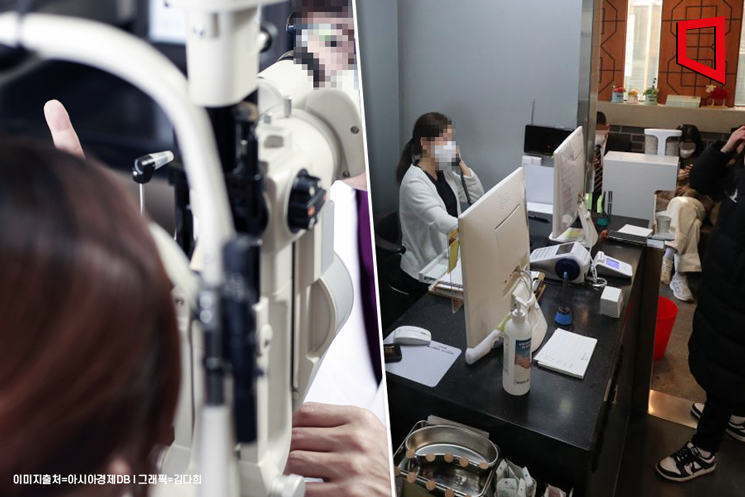
Until now, excessive medical treatment and suspected insurance fraud at some medical institutions have led to a significant increase in indemnity insurance claims related to cataract surgery. In response, insurance companies strengthened payment reviews by requiring additional documents such as slit-lamp microscope examination results, in addition to diagnosis certificates, to assess the appropriateness of cataract diagnoses (necessity of surgery). This excessive demand for insurance claim documents caused delays in benefit payments and increased consumer inconvenience. Consequently, the Presidential Office selected "Improvement of Cataract Surgery Insurance Payment Standards" as a public proposal policy task in December last year. The newly prepared improvement plan is a follow-up measure accordingly.
Going forward, for surgeries on elderly patients (aged 65 or older as of the surgery date), surgeries using monofocal lenses (covered by health insurance), and surgeries performed at general hospitals or tertiary general hospitals, the necessity of surgery will be recognized without additional supporting documents if the doctor's cataract diagnosis is confirmed and there are no signs of insurance fraud. For typical surgeries on elderly patients and others, consumers will no longer need to submit detailed medical records such as slit-lamp microscope examination results, improving consumer convenience.
Additionally, considering that hospitalization may be necessary in cases of underlying diseases, complications, side effects, or concurrent surgeries during cataract surgery, the insurance companies' compensation standards have been specified so that hospitalization benefits will be paid if consumers submit objective evidence proving the necessity of hospitalization. However, in cases where minor complications or side effects make hospitalization necessity difficult to recognize, hospitalization benefits may not be paid even if supporting documents are submitted.
To provide effective consumer damage relief, this payment standard improvement plan will be applied retroactively to past claims (surgeries performed from 2021 until the announcement date of the improvement plan). Each insurance company plans to conduct a full re-examination of cases where benefits were not previously paid or only outpatient benefits were paid and will provide additional payments accordingly. Consumers do not need to separately apply for benefit payments.
As part of a win-win approach, the insurance industry plans to voluntarily pay hospitalization benefits without reviewing the necessity of hospitalization for vulnerable groups such as elderly patients aged 70 or older as of the surgery date and medical aid recipients. However, to prevent the resurgence of excessive cataract treatment, this will only apply to surgeries performed from 2021 until the announcement date of the improvement plan.
© The Asia Business Daily(www.asiae.co.kr). All rights reserved.
![Clutching a Stolen Dior Bag, Saying "I Hate Being Poor but Real"... The Grotesque Con of a "Human Knockoff" [Slate]](https://cwcontent.asiae.co.kr/asiaresize/183/2026021902243444107_1771435474.jpg)
















