German Researchers Collect Samples from Hospital Coffee Machines
Analysis Shows No Deadly Hospital Pathogens Detected
Hospital coffee machines have received some attention as potential sources of infection spread, but new research has produced completely different results.
According to HealthDay News on the 21st (local time), a research team led by Dr. Sarah Victoria Walker, director of the Institute of Clinical Microbiology and Hospital Hygiene in Ludwigsburg, Germany, concluded that "a general ban on coffee machines in hospitals does not seem necessary." The German researchers swabbed 25 automatic capsule coffee makers and espresso machines.
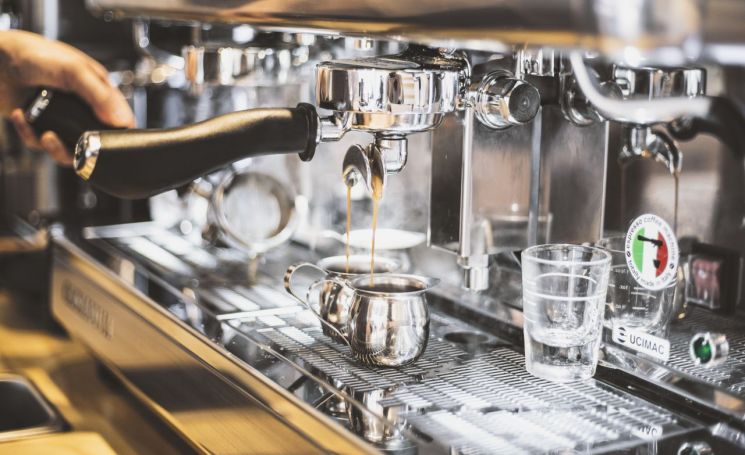 Could the hygiene environment of coffee machines installed in hospitals be fatal to immunodeficient patients? German researchers have announced the results of their investigation.
Seventeen of the machines came from break rooms and offices at a university hospital in Cologne, Germany, while the remaining eight were located in employees' homes. All coffee makers had been in use for at least one year.
The researchers took swabs from five specific locations: drip trays, outlets, buttons, water tank handles, and inside the water tanks. The team focused on the World Health Organization's (WHO) high-priority 'ESKAPE pathogens.'
ESKAPE refers to six types of hospital pathogens that are highly virulent and possess significant antibiotic resistance. The six bacteria are Enterococcus faecium, Staphylococcus aureus, Klebsiella pneumoniae, Acinetobacter baumannii, Pseudomonas aeruginosa, and Enterobacter.
Bacteria belonging to ESKAPE are the main causes of life-threatening hospital-acquired infections worldwide, especially posing the greatest risk to immunocompromised or critically ill patients.
Surprisingly, bacterial growth was detected on all coffee machines. Moreover, hospital machines harbored about three times more microorganisms than home machines, isolating 360 variants from 72 swabs compared to 135 variants from 34 swabs.
However, most of the detected species were bacteria that normally inhabit the skin or intestines and do not pose a health threat. Only Staphylococcus aureus, a disease-causing bacterium, was detected once on a button of a home coffee maker and once inside a hospital water tank. The researchers noted that the locations where Staphylococcus was found suggest that users’ hands may touch unexpected parts of the machines.
This study was published in the British Medical Journal (BMJ) on the 18th. According to the research results, the researchers concluded that coffee makers in hospital environments should be considered safe.
© The Asia Business Daily(www.asiae.co.kr). All rights reserved.
![Clutching a Stolen Dior Bag, Saying "I Hate Being Poor but Real"... The Grotesque Con of a "Human Knockoff" [Slate]](https://cwcontent.asiae.co.kr/asiaresize/183/2026021902243444107_1771435474.jpg)
















